


30 Jul Which Magnesium Is Right for You?
Not all magnesium supplements are the same. The type of magnesium matters as much as the dose, and choosing the wrong one means you might not absorb much of it at all. Here’s a simple guide to help you find the type that matches what your body actually needs.
Is magnesium worth the hype?
Yes! Magnesium is involved in over 300 processes in your body. It keeps muscles and nerves functioning, helps regulate blood sugar and blood pressure, supports energy production, and plays a key role in keeping your mood balanced and your sleep consistent. [1]
The problem? Most South Africans don’t get enough of it. Poor soil quality, processed food diets, and stress all deplete magnesium levels. And because deficiency shows up gradually, it often goes unnoticed. [2]
Signs your magnesium might be low:
- Muscle cramps or twitching
- Anxiety or irritability
- Low energy and fatigue
- Brain fog and poor focus
- Trouble falling or staying asleep
- Frequent headaches
If several of those sound familiar, a good magnesium supplement could make a meaningful difference. The question is which one.
Getting magnesium from food first
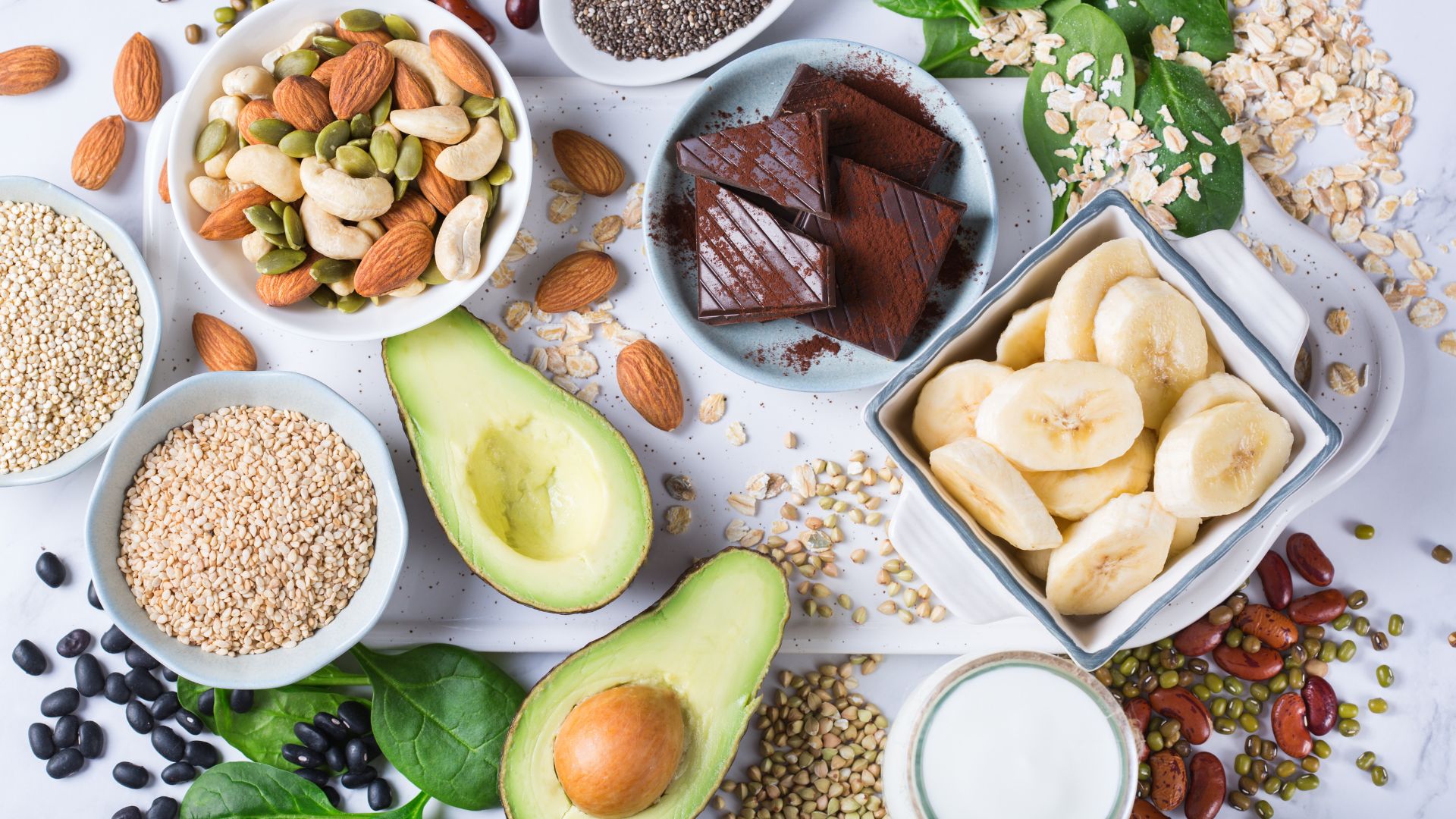
Before reaching for a supplement, it’s worth knowing which foods are naturally rich in magnesium. Whole foods deliver magnesium alongside other nutrients that support absorption, making them the best starting point.
- Pumpkin seeds are one of the highest food sources available, with around 150mg per 30g serving. A small handful goes a long way. Almonds, cashews, and sunflower seeds also contain good sources of magnesium.
- Dark leafy greens such as spinach and Swiss chard are particularly magnesium-dense when cooked, since cooking reduces volume and concentrates the nutrients. A cup of cooked spinach provides roughly 160mg.
- Legumes like black beans, lentils, and chickpeas are another reliable source, especially for plant-based eaters. They work well as a meal base and contribute meaningfully to daily magnesium intake.
- Raw cacao and dark chocolate (70% or higher) contain a useful amount of magnesium per serving and are one of the more enjoyable ways to top up your levels. Look for minimally processed cacao powder or dark chocolate with no added milk solids.
- Avocado contributes around 58mg per fruit, alongside healthy fats that support overall nutrient absorption. Bananas, often associated with potassium, also provide a moderate amount of magnesium and make a convenient snack.
- Whole grains like brown rice, oats, and quinoa all contribute to magnesium intake, particularly when they replace refined grains in the diet.
Even with a varied, whole-food diet, consistently hitting the recommended daily intake of around 310 – 420mg (depending on age and sex) can be difficult, especially if stress levels are high or digestion is compromised. This is where targeted supplementation becomes useful.
The main Types of magnesium, and what each one does best
Magnesium Glycinate: the all-round calmer
Magnesium glycinate is magnesium bound to the amino acid glycine. It’s one of the most bioavailable forms available, and because glycine itself has calming properties, this combination is particularly well suited to nervous system support.
It’s gentle on the digestive system, which makes it a good choice for people who’ve had gut issues with other forms. It also tends to cause less of the loose-stool effect associated with magnesium citrate, so if your main goal is sleep or stress support rather than digestive relief, glycinate is usually the better fit. Most people find it easiest to take in the evening, around 45 minutes before bed.
Best for: Anxiety, stress, trouble sleeping, muscle tension and cramping, heart health and blood pressure support.
Magnesium Citrate: the gentle mover
Magnesium citrate is magnesium bound to citric acid. It’s well absorbed and has a mild laxative effect, which makes it useful for people who struggle with sluggish digestion, occasional constipation, or bloating. It’s also a popular choice when travelling, when digestive regularity tends to go out the window.
Best for: Occasional constipation, bloating, sluggish digestion, travel regularity.
Magnesium L-Threonate: the brain booster
Magnesium L-threonate is a newer, more specialised form developed specifically for cognitive support [4]. Research suggests it’s one of the only forms that can cross the blood-brain barrier effectively, making it particularly useful for people focused on memory, mental clarity, and long-term brain health.
It tends to be more expensive than other forms, so it’s best reserved for people with a specific focus on cognitive function rather than general magnesium support.
Best for: Brain fog, memory support, focus and mental clarity, cognitive health.
Magnesium Oxide: worth knowing about (but not our top pick)
Magnesium oxide is the form most commonly found in cheap, mass-market supplements. It contains a high percentage of elemental magnesium by weight, but it has very poor bioavailability. Most of it passes through your system without being absorbed. It can help with short-term constipation, but for ongoing supplementation, there are better options.
Compare magnesium Types
| Form | Best for | Absorption | Gut-friendly? | Good for sleep? |
| Magnesium Glycinate | Stress, sleep, muscle tension, heart health | High | Yes | Yes |
| Magnesium Citrate | Digestion, constipation, travel | Medium-High | Mild laxative effect | Somewhat |
| Magnesium L-Threonate | Brain fog, memory, focus | High (brain-specific) | Yes | Yes |
| Magnesium Oxide | Short-term constipation | Low | No | No |
How to take magnesium for best results
Timing depends on why you’re taking it. For sleep and stress support, evening is best, around 45 minutes before bed. For digestive support, taking it with food works well. For cognitive support with L-threonate, morning or afternoon is often recommended so it doesn’t interfere with your sleep cycle.
Start with the lower end of the recommended dose and see how your body responds before increasing.
Where to find magnesium supplements at Faithful to Nature
We stock a carefully vetted range of different types forms of magnesium supplements from trusted brands, including certified organic and vegan options. Whether you’re looking for a high-absorption glycinate for sleep and stress, a citrate for digestive support, or an L-threonate for cognitive health, you’ll find something that fits.
Always consult a healthcare practitioner before starting a new supplement, especially if you are pregnant, breastfeeding, or on chronic medication.
More from Our Journal
Magensium Vs Melatonin For Sleep | Metagenics: Non-Toxic Living for Better Cognitive Health | Magnesium: Nature’s Silent Guardian

July 2026
No Comments