


29 Jan Sexual Health Isn’t Just About Sex, It’s About Hormones Too
Sexual health and hormones are closely connected, but often overlooked in everyday conversations about wellbeing. Many people think sexual health is just about libido or sexual performance. But it’s actually how your hormones, mood, stress levels, and overall body function work together to support desire and connection.
If you’ve noticed changes in your energy, intimacy, or libido, it doesn’t necessarily mean something is wrong. Usually, it’s just a gentle nudge from your body, saying that your hormones could use some care. Taking a holistic approach to sexual health can help you feel more balanced and in tune with your body.
How Hormones Influence Sexual Health
Hormones play a big role in how we experience sexual health throughout our lives. They influence desire, arousal, comfort, energy levels, and even emotional connection.
Some important hormones to know:
- Oestrogen: Supports vaginal health, lubrication, and overall comfort.
- Testosterone: Important for libido and sexual motivation in all genders.
- Progesterone: Affects mood and emotional regulation.
- Cortisol: The body’s main stress hormone.
When these hormones are balanced, sexual health can feel effortless. But stress, bad sleep, nutritional gaps, or natural life stages like PMS, postpartum recovery, perimenopause, and menopause can all impact hormonal harmony. When that happens, libido, comfort, and emotional connection can be affected too.
Signs Your Sexual Health Needs Some TLC
Sexual health challenges aren’t always about a lack of desire. Often, they show up in subtle ways, like:
- Fluctuating libido
- Vaginal dryness or discomfort
- Struggling to relax or stay present
- Mood changes or irritability
- Feeling tired when you want to be intimate
These signs are common and usually reflect how well your body and hormones are supported overall.
Stress, Mood & Sexual Health
Stress can have a big impact on sexual health. High cortisol levels (our main stress hormone) can suppress sex hormones like oestrogen and testosterone, making it harder to feel aroused or relaxed. Anxiety, emotional burnout, and low mood can also affect desire, not because your sexual health is “failing”, but because your body doesn’t feel safe enough to switch into rest and connect mode.
Supporting sexual health often starts with supporting your mood, stress resilience, and nervous system health.
Tips for Supporting Sexual Health
Instead of focusing on quick fixes, a holistic approach prioritises gentle, sustainable support for your body and hormones.
1. Hormonal Balance
Your hormones need proper nutrients, stress regulation, and rest to function optimally. Natural support can include:
- Adaptogenic herbs like ashwagandha or maca to help manage stress.
- Magnesium and B vitamins for energy and nervous system support.
- Lifestyle habits that promote regular sleep, movement, and nourishment.
2. Mood & Emotional Wellbeing
Sexual health thrives when you feel safe, calm, and emotionally balanced. Consider:
- Calming teas with herbs like chamomile or lemon balm
- Magnesium-based supplements for relaxation
- Adaptogens used to support stress resilience
These gentle approaches help your nervous system cope with stress, which in turn supports better libido and emotional connection.
3. Intimate Comfort
Comfort matters more than most people realise. Vaginal dryness, irritation, or discomfort can create tension and reduce desire. Supporting intimate comfort can include:
- Maintaining healthy pH balance
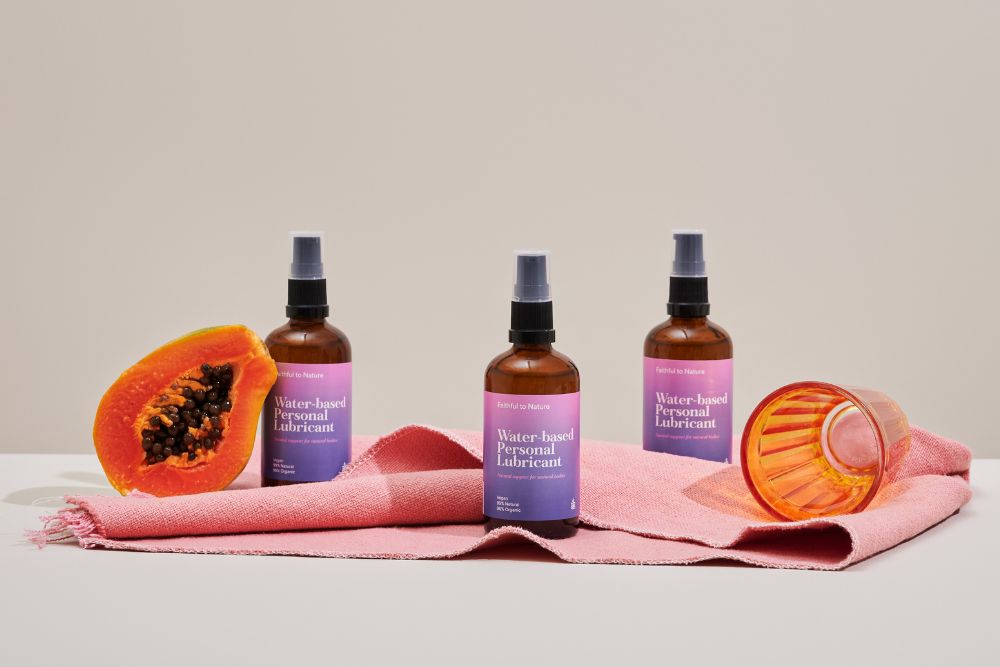
- Providing hydration and lubrication with natural, body-safe products
- Avoiding harsh or irritating ingredients
Who Can Benefit From a Hormone-Led View of Sexual Health?
A holistic perspective may be helpful if you:
- Experience ongoing stress or burnout
- Notice changes during PMS or hormonal transitions
- Are navigating perimenopause or menopause
- Feel disconnected from your body or energy levels
Sexual Health Changes Are Normal
Listening to and staying in tune with your body is the first step to nurturing your sexual health and hormones. Managing stress, nourishing yourself, and choosing natural, body-safe intimate products can all make a big difference to your sexual wellbeing. When your hormones feel balanced and your body is supported, sexual health becomes less about performance and more about feeling connected and confident in yourself.
No Comments