


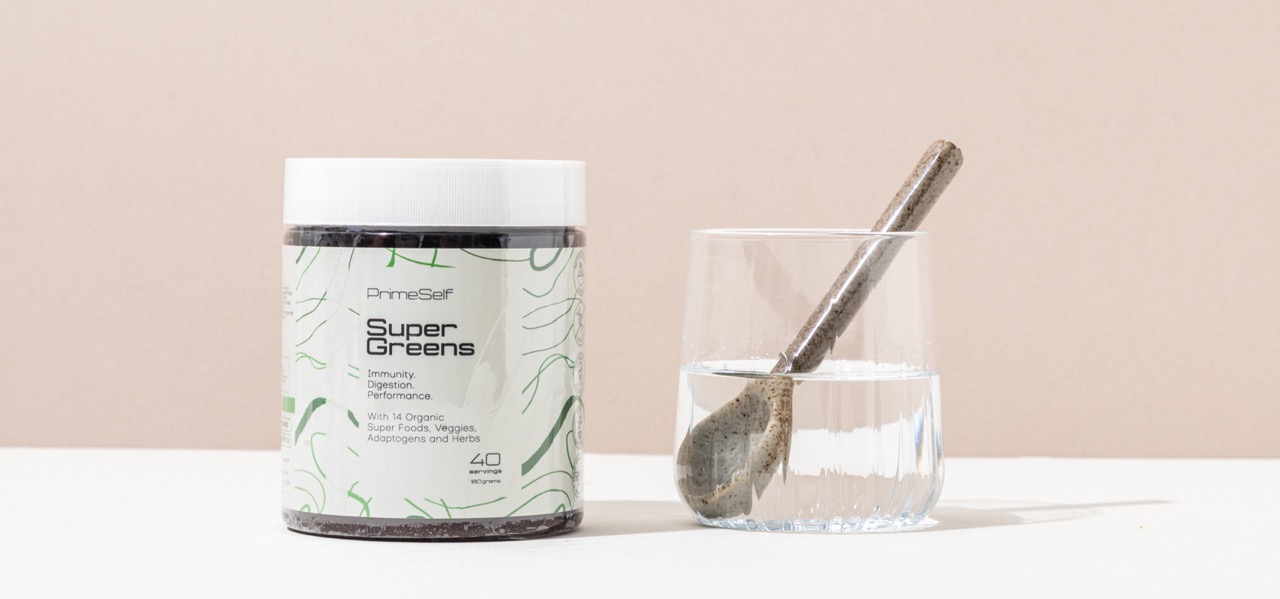
What Should You Look For in a Quality Greens Powder?
Not all greens powders are created equal. This guide breaks down what separates a quality, whole-food formula from a filler-heavy one, and who actually benefits from taking greens daily....



Not all greens powders are created equal. This guide breaks down what separates a quality, whole-food formula from a filler-heavy one, and who actually benefits from taking greens daily....
Your gut is home to trillions of tiny microorganisms that play a powerful role in your health. Known as the gut microbiome, this complex community of bacteria and other microbes influences much more than digestion - it can impact immunity, inflammation, skin health, metabolism, energy...
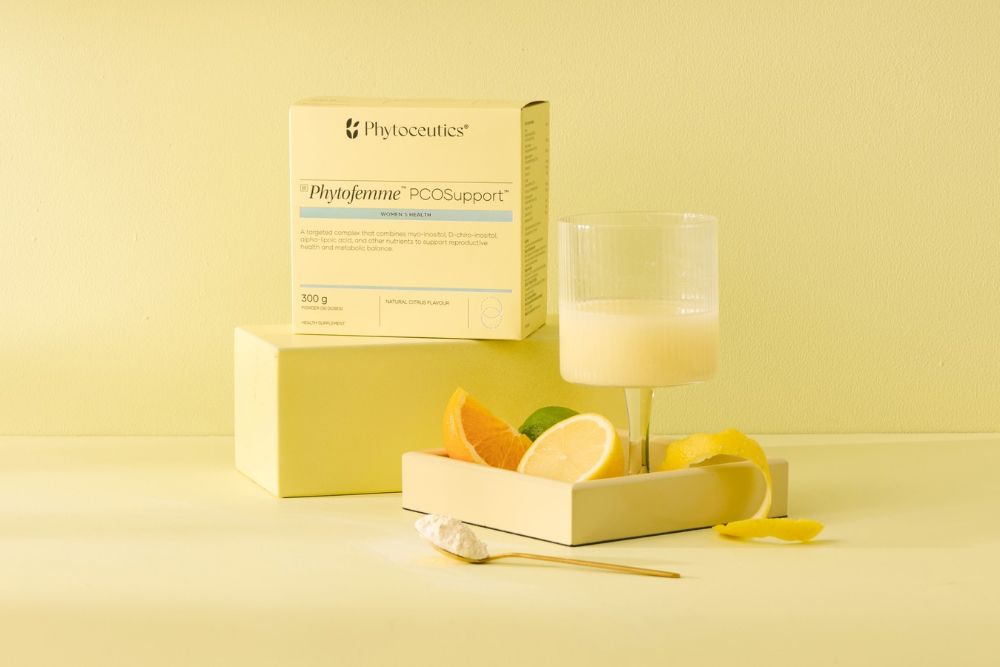
If you've been researching supplements for hormonal or metabolic health, you've probably come across inositol, alpha-lipoic acid, and chromium. And there's a good reason for that: these nutrients have well-documented roles in supporting female reproductive health, healthy glucose metabolism, and hormonal balance. Inositol: Why the Ratio...

Conscious shopping has arrived in the Overberg, with Faithful to Nature opening its newest store at Whale Coast Mall in Hermanus. As South Africa’s most trusted destination for health, beauty, and conscious living since 2006, we’re excited to bring our carefully curated range of natural and...

Menopause is one of the most significant hormonal transitions a woman will experience, yet so many of us enter it with little sense of what to expect. The transition usually begins with subtle changes. Perhaps your periods become less predictable, your sleep is disrupted, your...
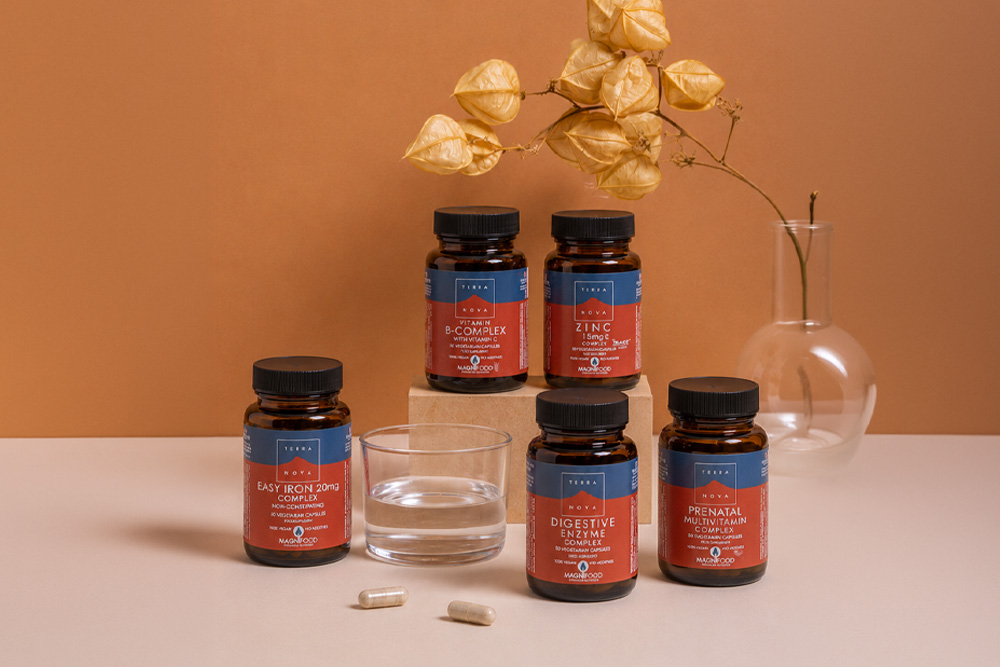
A healthy gut can make all the difference to your energy levels, immunity, digestive comfort, and how you feel each day. Terranova takes an innovative approach to gut health by combining beneficial bacteria, plant-based enzymes, and whole-food nutrition in carefully formulated supplements. Founded on the belief...

Conscious shopping has arrived at Sun Valley Mall in Sunnydale, with Faithful to Nature opening its newest store in the heart of Cape Town’s Deep South. What makes this store especially close to our hearts is its proximity to where our journey began. In 2006, Robyn...
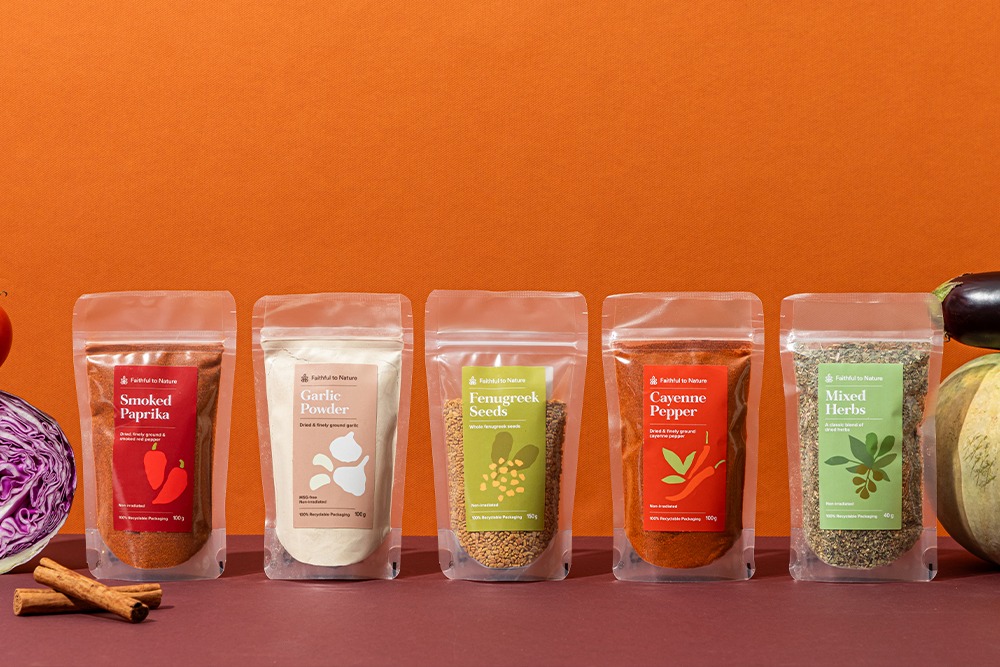
Good food doesn’t have to be complicated. Sometimes it just starts with the right pinch of spice! Faithful to Nature’s new spice range brings together 12 everyday staples designed to make home cooking simple, more flavourful, and nourishing. Every spice is carefully sourced and ingredient-checked by...

We’re excited to announce the opening of the new Faithful to Nature store at Cresta Shopping Centre in Johannesburg. As our 11th store, this marks an important step in our mission to make conscious shopping more accessible across South Africa, bringing trusted, transparent, and sustainable products...
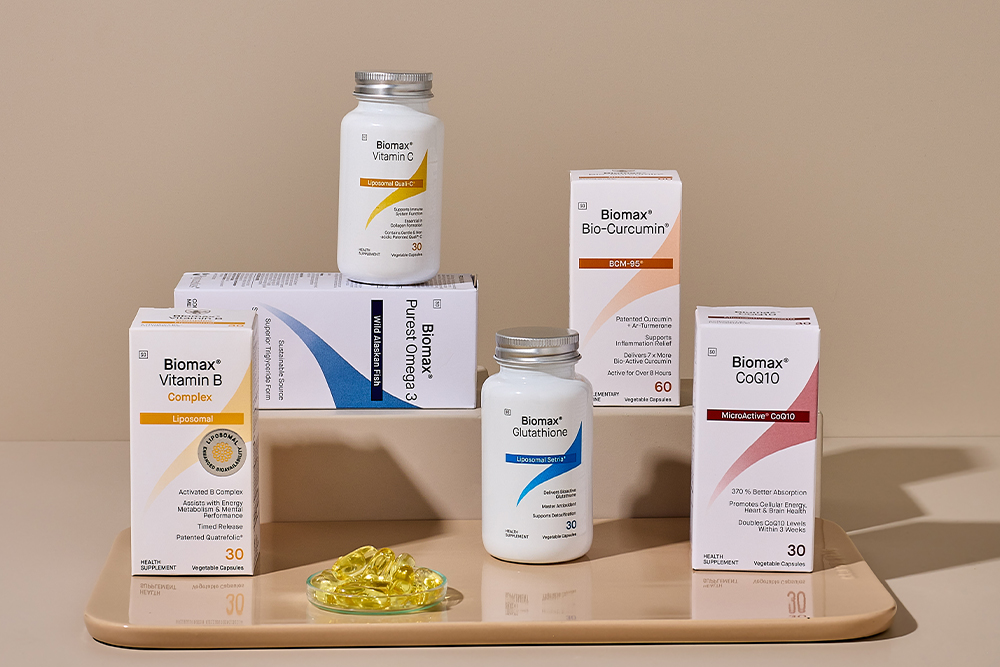
Not all supplements are created equal. While many products may contain similar nutrients, the way those nutrients are formulated, delivered, and absorbed can significantly influence how effectively your body is able to use them. Bioavailability is the degree to which nutrients are absorbed and utilised by...
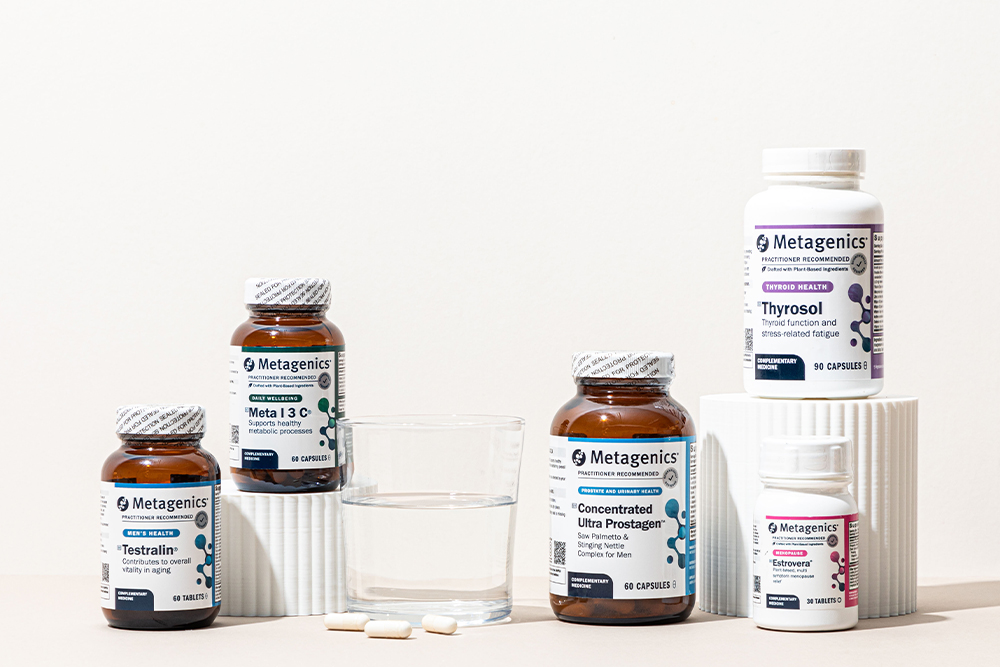
Between deadlines, digital overload, and constant multitasking, it’s no surprise many of us feel mentally drained. If you’ve ever struggled with brain fog or felt a lack of mental clarity, you’re not alone. Your mind doesn’t operate in isolation; your environment, daily habits, and nutrition...
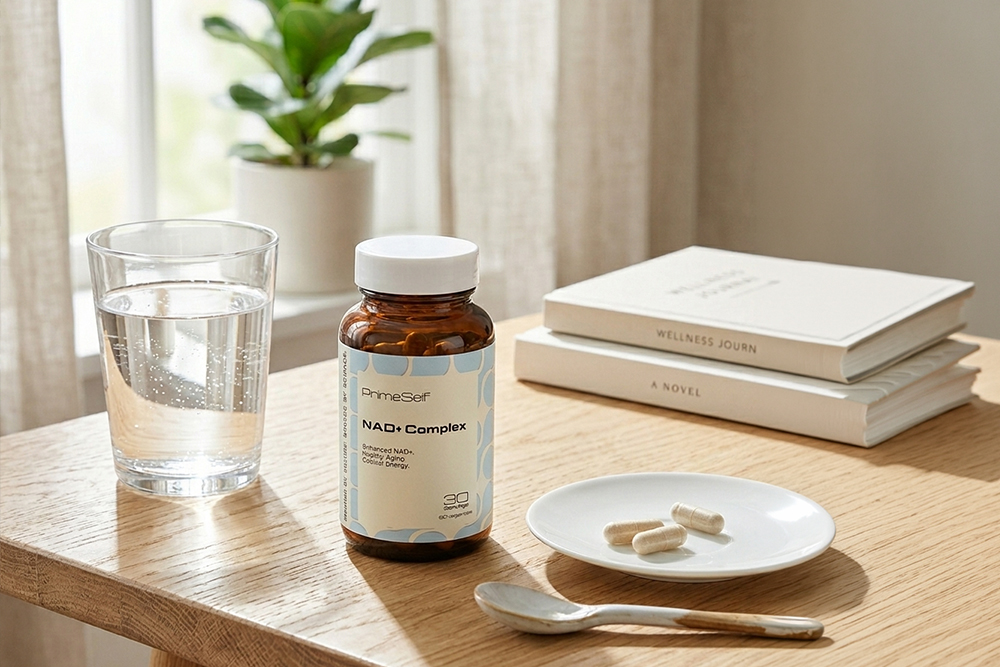
With the right longevity supplement, supporting healthy ageing, energy, and cellular vitality is easier than you might think. PrimeSelf NAD+ Complex is a single, powerful supplement designed to do exactly that. This advanced NAD+ optimisation formula combines three key ingredients - Bio-NMN®, TMG, and Trans-Resveratrol -...

Faithful to Nature, South Africa’s leading natural health and wellness retailer, is excited to announce the opening of our latest store at Table Bay Mall in Table Bay, Cape Town. This marks an exciting step in expanding our retail footprint to the West Coast, making it...

Ever feel tired even after a good night’s rest? Or notice your digestion acts up when you’re stressed? The missing piece might not be your routine, but rather your gut health. The connection between stress and gut health has a big impact on your energy levels....
Your menstrual cycle is a natural part of life, and the products you use should leave you feeling safe and comfortable. ...

If you’re curious about gut health, probiotics, or ways to support your metabolism, Akkermansia is a name you’ll want to know. Research is starting to shine a spotlight on this powerful gut bacteria for its role in digestion and metabolic function, making it one of...

Smoothies aren’t just delicious, they’re a versatile way to nourish your body. With the right ingredients, you can create smoothies that support glowing skin, brain function, digestion, hormone balance, and satiety. Whether you’re looking for a quick breakfast, a mid-day boost, or a post-workout snack,...

Did you know that your oral microbiome plays an important role in your overall health? The beneficial bacteria in your mouth don’t just help keep your breath fresh and prevent cavities - they’re also essential for digestion, immunity, and even regulating inflammation throughout your body....

Stress doesn’t just affect how you feel. It quietly steals your focus, your mood, and even your sleep. When your nervous system is constantly on high alert, your brain struggles to switch off at night, leaving you tired and more vulnerable to stress the next...
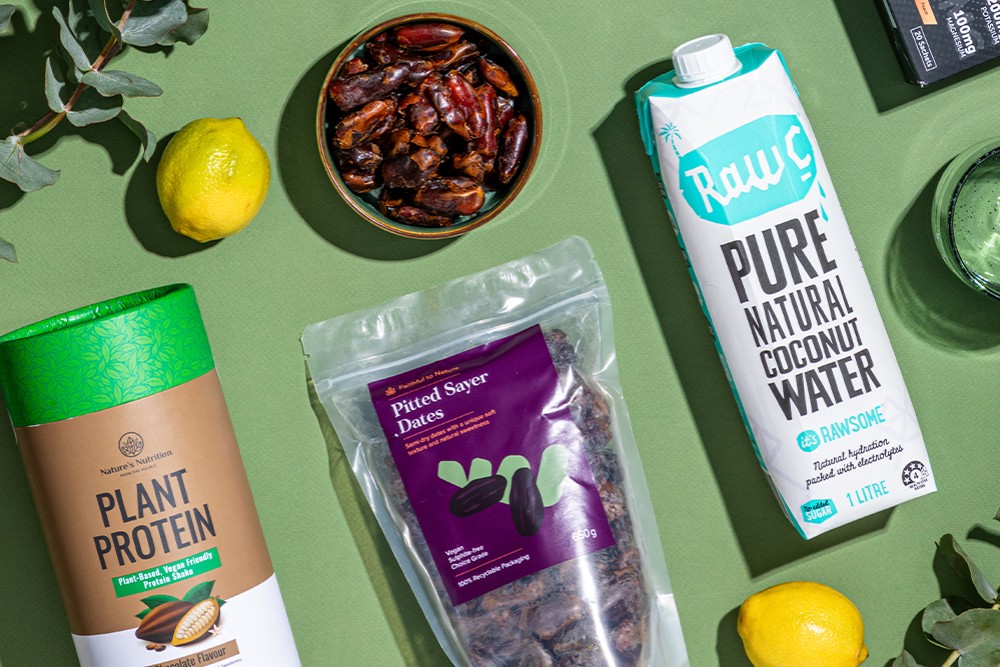
Fasting can be a meaningful reset for your body and mind, whether you’re doing it for spiritual, religious, or health reasons. With a few simple strategies, fasting can feel more comfortable and energising. Try these tips to help make fasting easier and support your body...

Contrary to popular belief, there’s no overnight miracle cream that can instantly transform your skin, hair, and nails. While social media may make flawless skin look effortless, real beauty starts with caring for your health from the inside out. This is where ingestible beauty comes in...
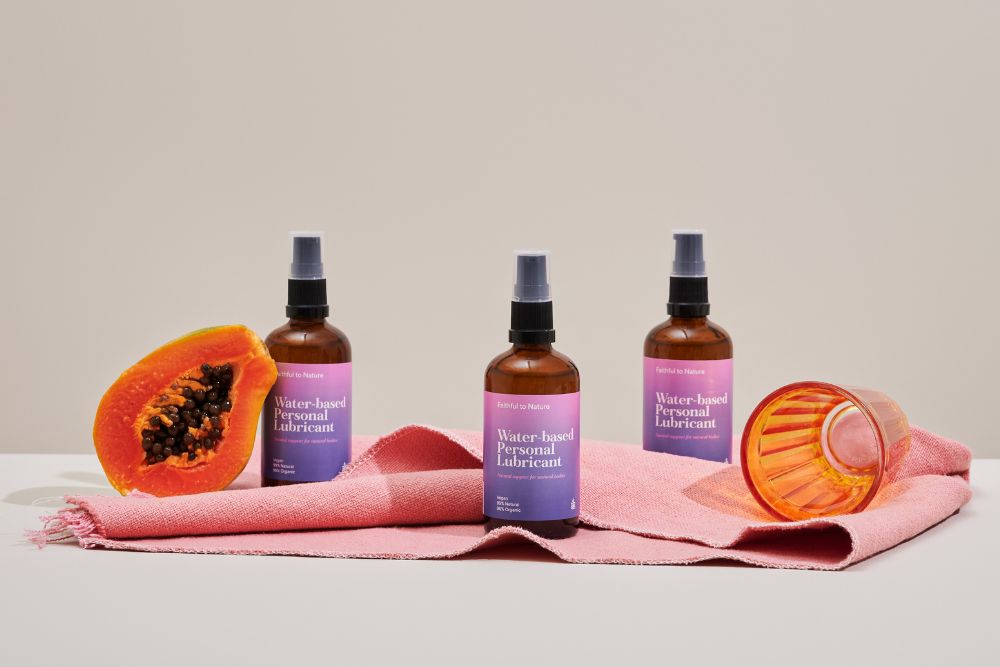
Sexual health and hormones are closely connected, but often overlooked in everyday conversations about wellbeing. Many people think sexual health is just about libido or sexual performance. But it’s actually how your hormones, mood, stress levels, and overall body function work together to support desire...

If your skin suddenly feels tight, reactive, or prone to breakouts, even when your skincare routine hasn’t changed, your skin barrier might be off balance. The good news? You can naturally repair a damaged skin barrier by choosing science-backed ingredients that are effective and safe,...
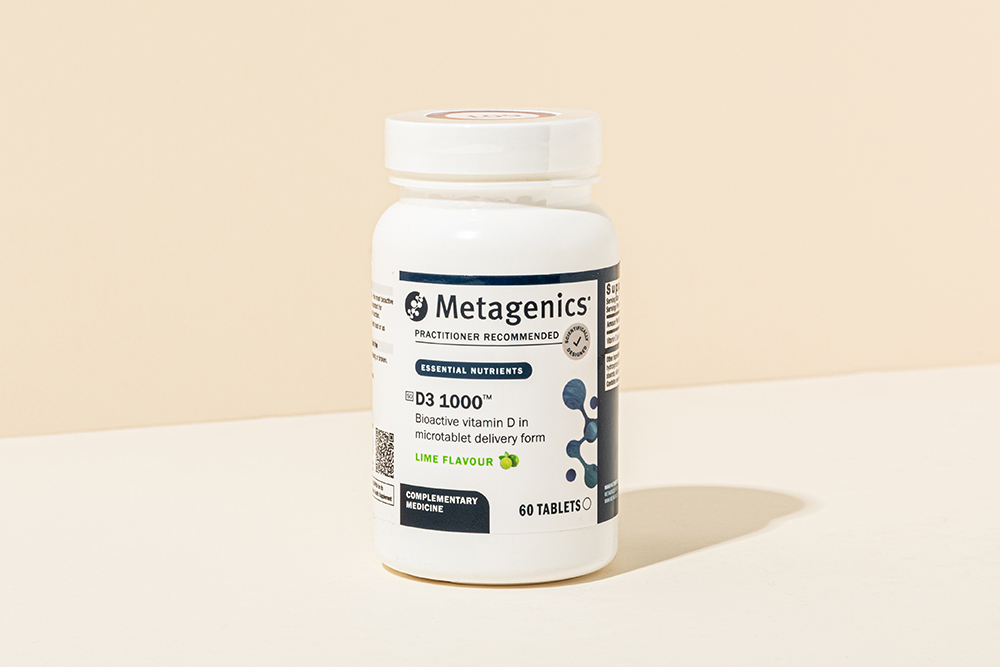
Heading back to school or work? Immune support supplements can help you stay well and energised as you reset your routine. The start of a new year brings fresh opportunities and new challenges. Whether you’re heading back to school, returning to the office, or simply...
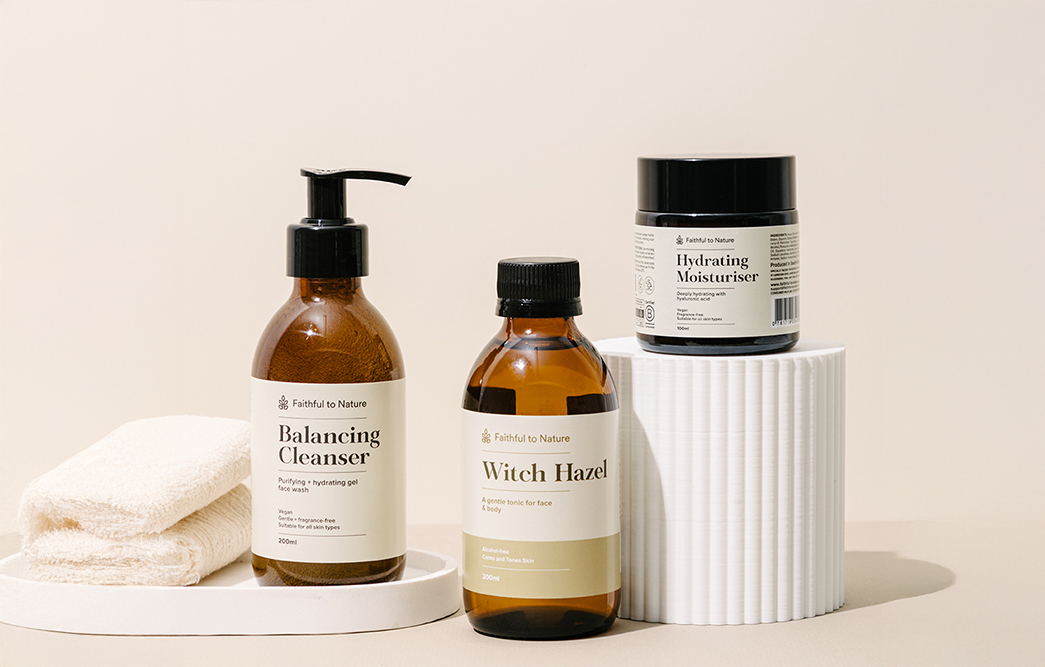
We’ve added three brand-new skincare products to the Faithful to Nature range, designed to make caring for your skin simple, conscious, and effective. Made with clean, transparent ingredients, these products fit effortlessly into your everyday routine, so you can nourish and protect your skin with...
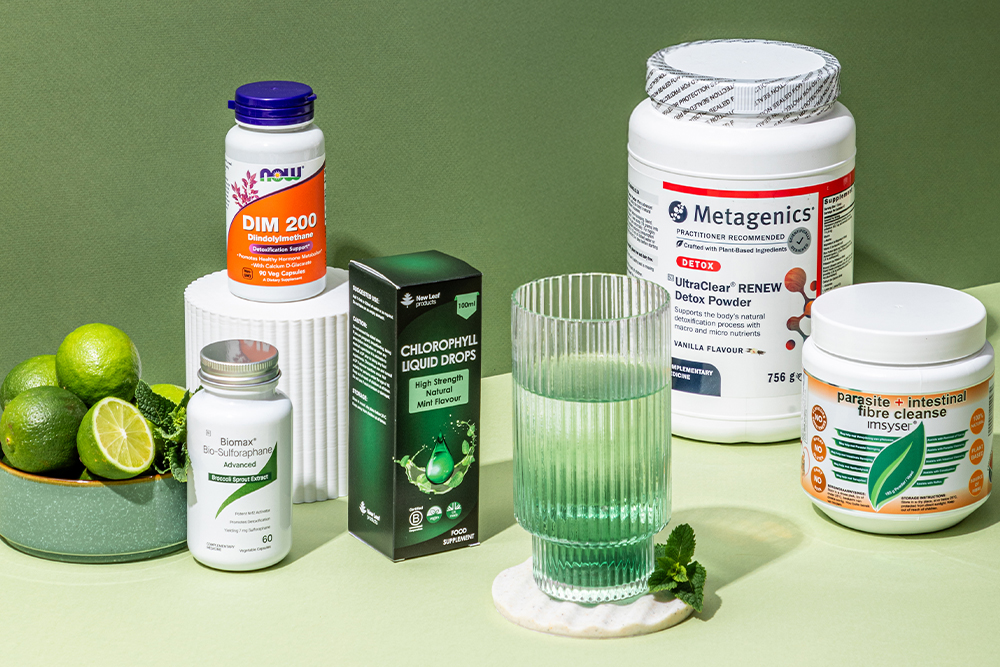
Sometimes your body just asks for a reset. Not a strict cleanse or an intense plan, just a bit of extra support for the systems that work hard to keep your body thriving every day. A natural detox and cleanse is about helping your body...
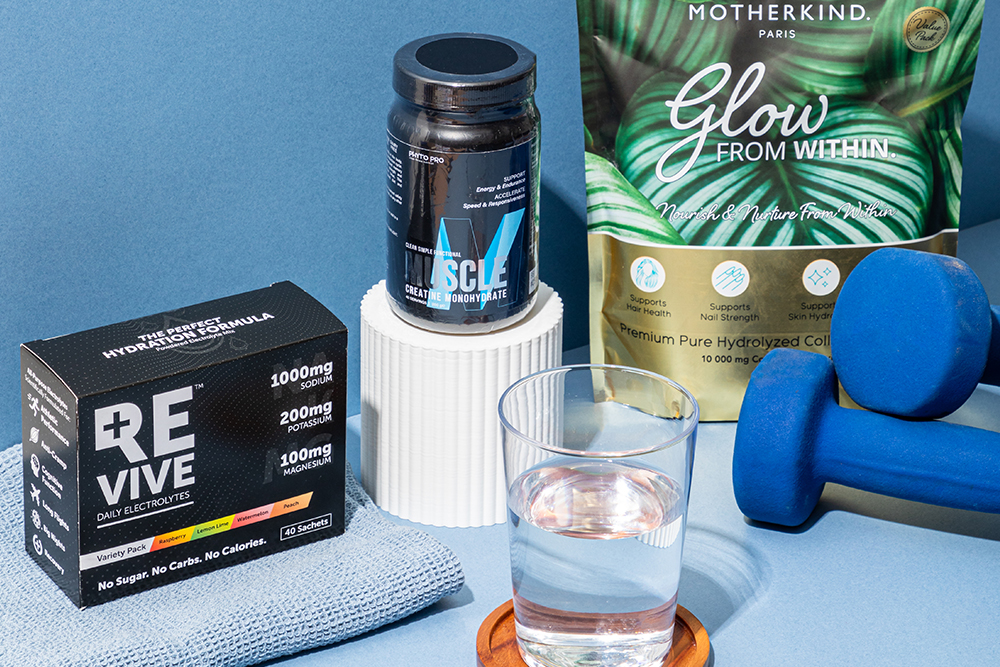
January is often filled with promises of “perfect” new routines, but improving your health and moving better doesn’t have to be complicated. Our sports performance nutrition guide for beginners is all about small, achievable steps that make a noticeable difference in your energy, recovery, and...
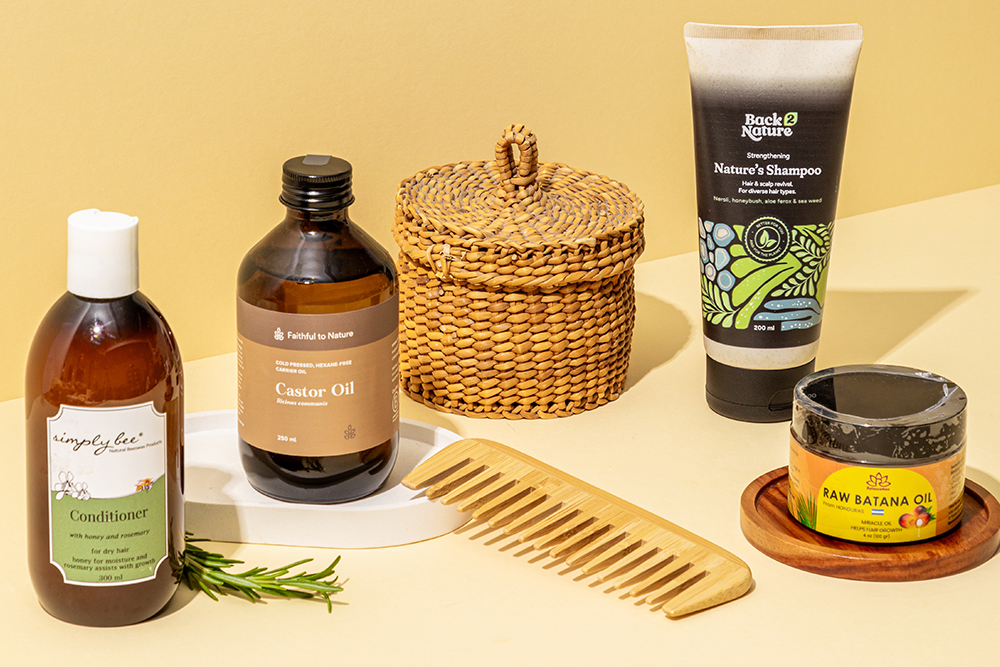
Sunshine, swimming, and time outdoors make summer so much fun, but all that sun, saltwater, and extra washing can leave your hair feeling dry and dull. Choosing natural haircare with nourishing ingredients can help repair summer-stressed hair and keep your strands healthy all season long. Why...
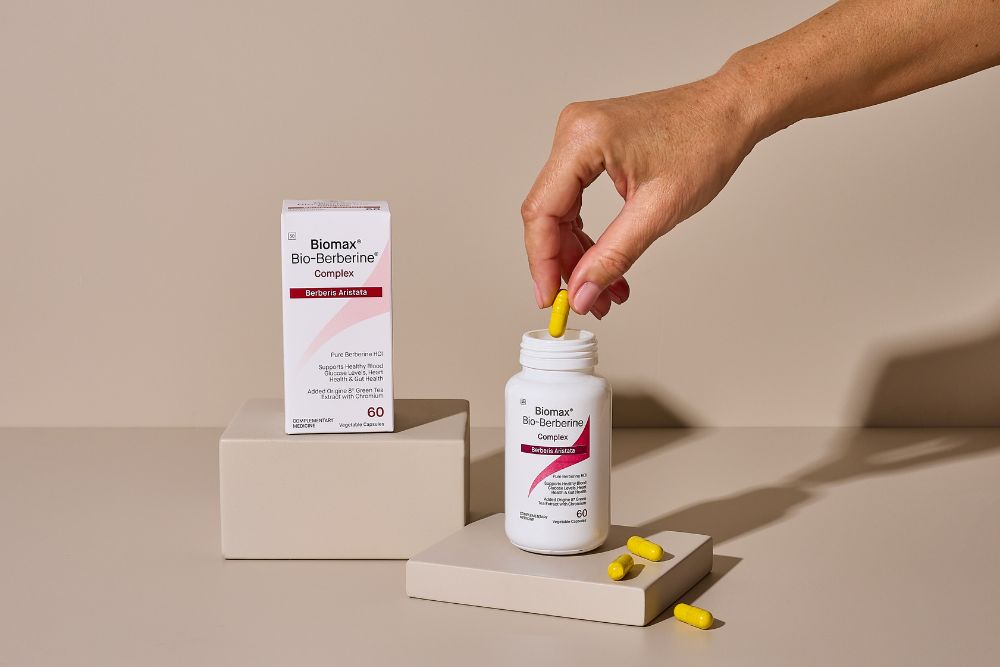
The festive season is full of celebrations and indulgence, but after weeks of rich foods, treats, and late nights, our bodies often need a little extra help to recover and reset. That’s where Biomax® Bio-Berberine® Complex comes in. This natural, science-backed supplement is formulated to...

Elevate your culinary creations with FtN Couscous, a light, fluffy, and endlessly versatile pantry staple. Perfect for savoury sides, hearty salads, or even as a main dish on its own, this unsalted and unflavoured couscous effortlessly complements any recipe. A must-have for creating delicious, wholesome dishes,...
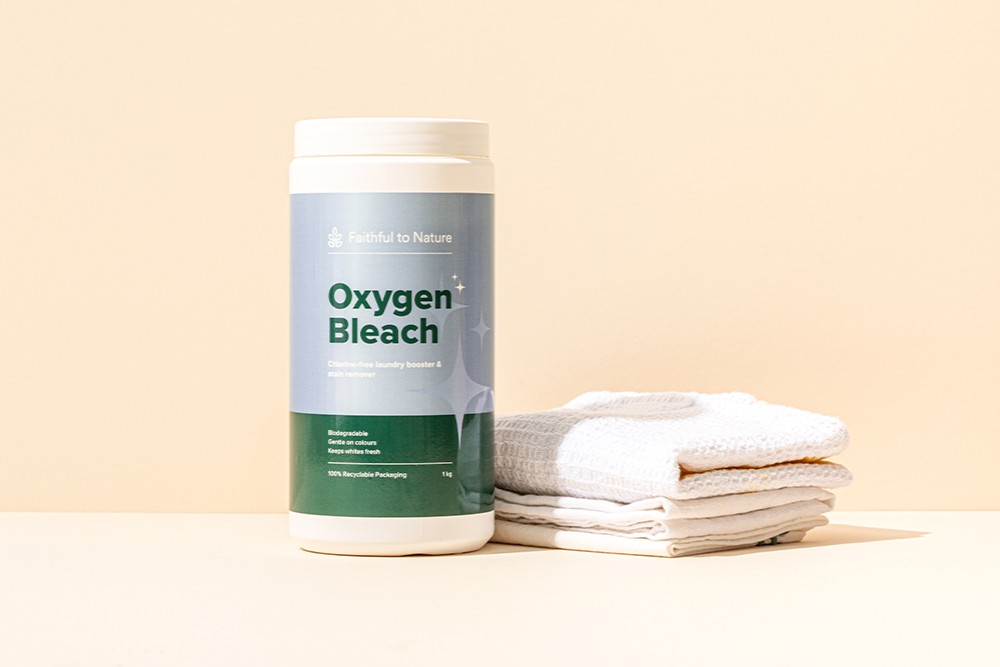
Meet the latest addition to the FtN range – FtN Oxygen Bleach! This versatile oxygen bleach powder lifts stubborn stains, brightens whites, revives colours, and neutralises odours, all without harsh chemicals. Colour-safe, chlorine-free, and biodegradable, it’s gentle on fabrics and surfaces, and kind to the planet,...

Sustainable stocking fillers under R200 make festive gifting easy, meaningful, and kind to the planet. The festive season is here, and with it comes the joy of choosing thoughtful gifts for the people we love. At Faithful to Nature, we believe gifting should feel good...
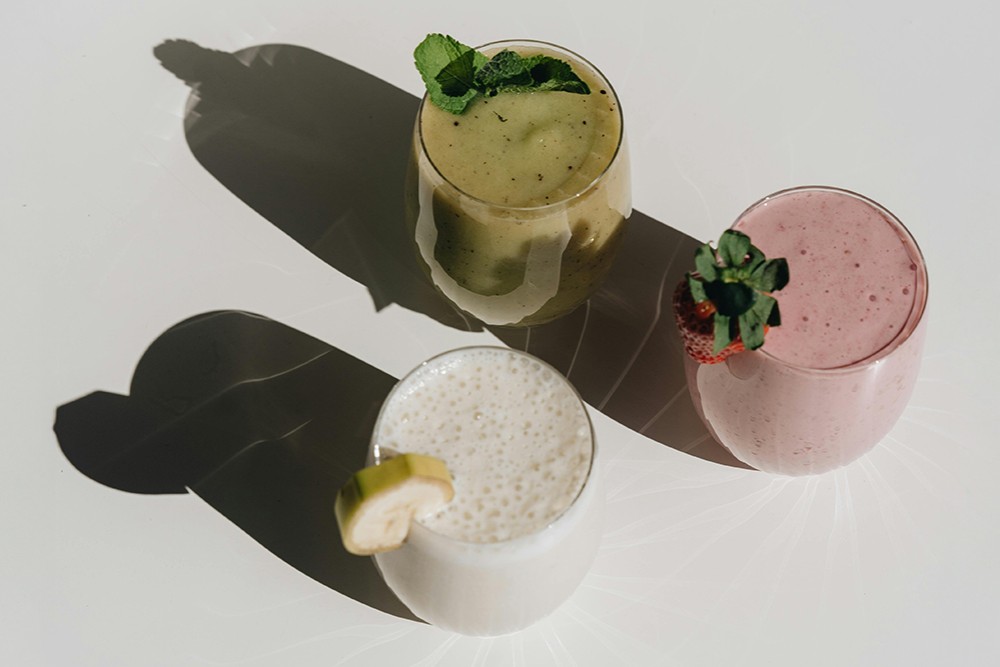
Summer calls for cool, nourishing sips that keep you energised, hydrated, and glowing from the inside out. Whether you’re soaking up the sunshine or needing a midday pick-me-up, smoothies are the perfect balance of flavour and nourishment, especially when they’re packed with nutrient-dense superfoods. Faithful to...

Faithful to Nature, South Africa’s leading conscious retailer, is thrilled to announce the opening of its latest store at the newly redeveloped Lynnridge Walk in Pretoria East. This marks an exciting new chapter not only for Faithful to Nature but also for Lynnridge Walk itself, which...

As the year draws to a close, many of us feel the weight of year-end fatigue creeping in. Long days, work deadlines, and the emotional pull of reflection can leave you drained, both physically and mentally. Experiencing end-of-year burnout is common, and it’s a sign...

Whether you’re training for a race, heading out for a hike, or simply keeping your energy up through a busy day, sports nutrition and hydration play a big role in how you feel and function. The right fuel helps you perform better, recover faster, and...

Long sunny days, outdoor adventures, beach getaways, and festive gatherings with friends and family -what’s not to love about summer? It’s the season to get outside, enjoy nature, and soak up every golden moment. But while you’re embracing the warm weather, it’s just as important...
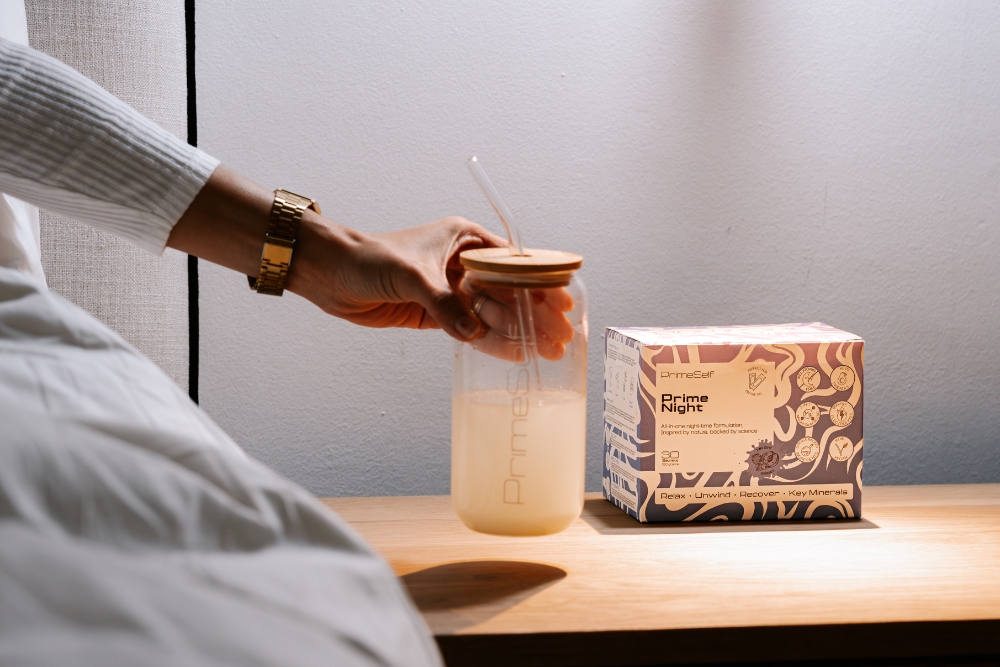
Good sleep isn’t a luxury, it’s the foundation of your health. When your body and mind can rest deeply, everything works better: your mood, energy, focus, and even immunity. But between stress, busy schedules, and screen time, quality sleep can often feel out of reach. That’s...

The term "inflammation" seems to pop up everywhere these days. But what causes it? How do you know if it's affecting you? And when does it shift from being natural and helpful to something that could harm your health? Let's simplify it so you can better...
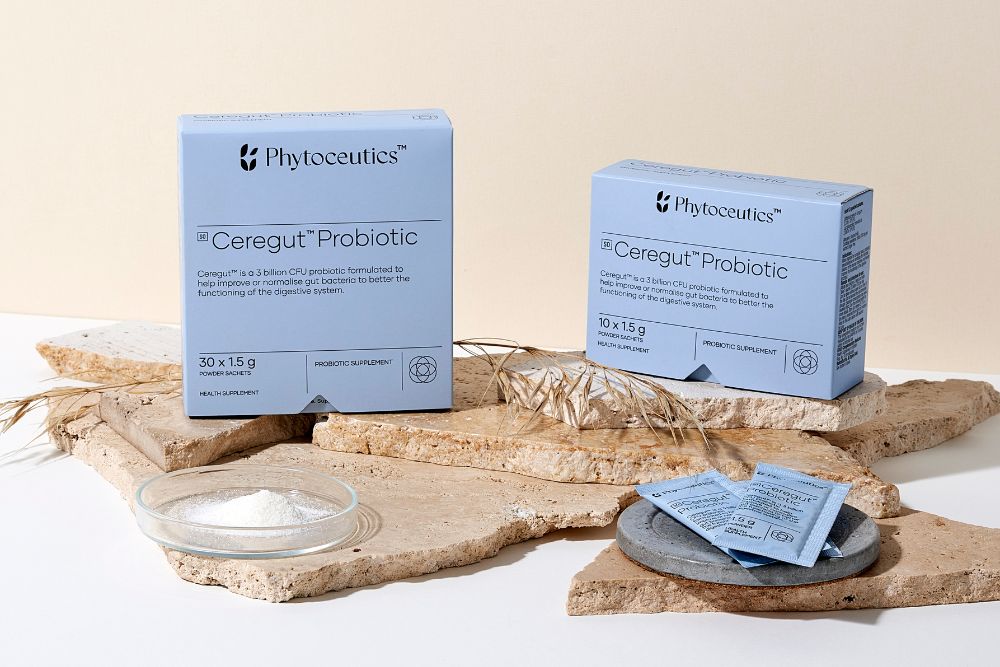
When it comes to overall health, the gut plays a much bigger role than most of us realise. Often called the body’s “second brain,” your gut is home to trillions of bacteria that affect digestion, immunity, mood, and even energy levels. Keeping this community of...
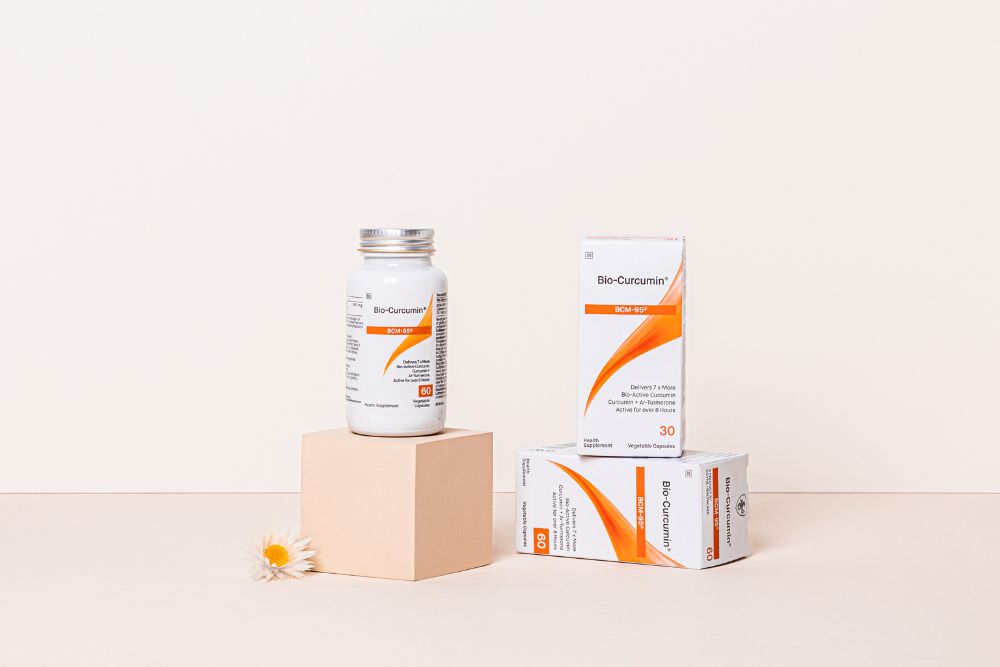
Inflammation is at the root of many health problems, from stiff joints and skin flare-ups to more serious concerns like heart disease and Alzheimer’s. While short-term inflammation is part of the body’s natural healing response, ongoing (chronic) inflammation can take a toll on your health...
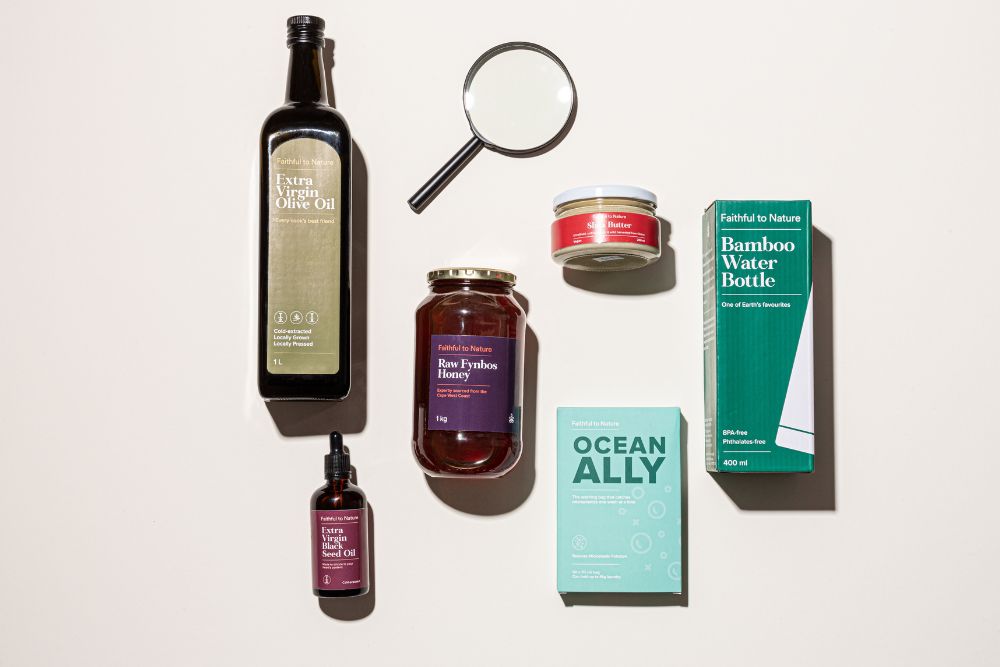
We believe that every South African deserves access to safe, sustainable products they can trust. That’s why our shelves aren’t just stocked, they’re curated. Each item goes through a rigorous checking process against our strict Ingredient Policy to ensure it meets the highest standards of...

Time flies when you're making a difference! This year marks a special milestone for Faithful to Nature as we celebrate 19 incredible years of bringing you the best in natural, sustainable living. From our humble beginnings to becoming South Africa's leading online natural marketplace, it's...

Why Rosebank? Known for its stylish energy, cultural diversity and cosmopolitan crowd, The Zone @ Rosebank is a natural match for the Faithful to Nature ethos. Nestled within one of Johannesburg’s most walkable and lively precincts, the mall blends fashion, food, and lifestyle with a creative...
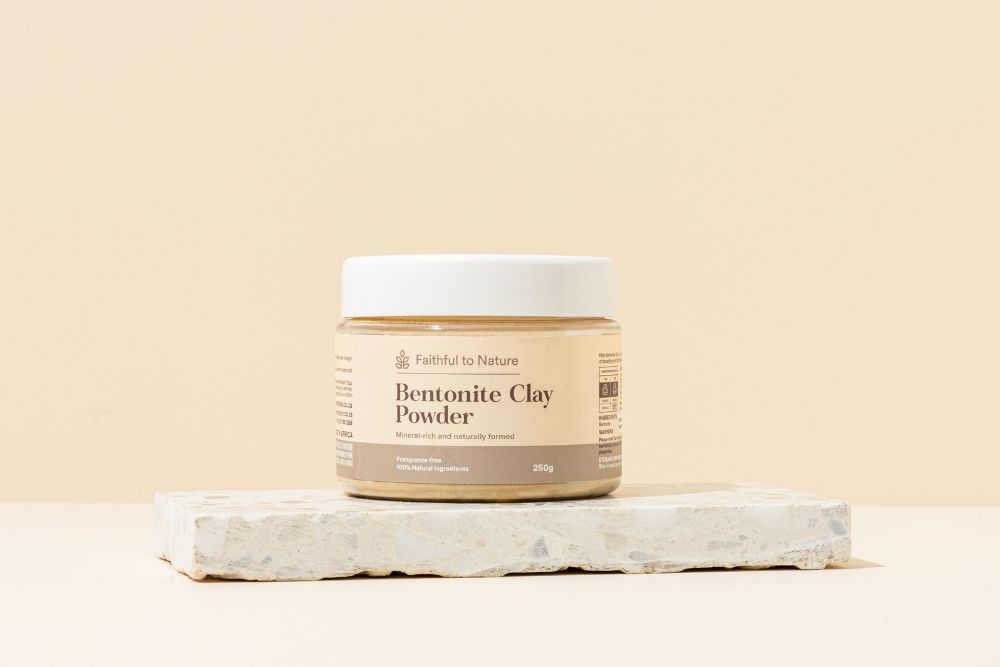
Discover the New FtN Bentonite Clay Looking for a natural way to upgrade your body and beauty routine? Faithful to Nature's Bentonite Clay Powder is a powerful, multitasking powder that detoxifies skin, hair, and body.- a simple yet powerful multitasker straight from the earth. This mineral-rich,...
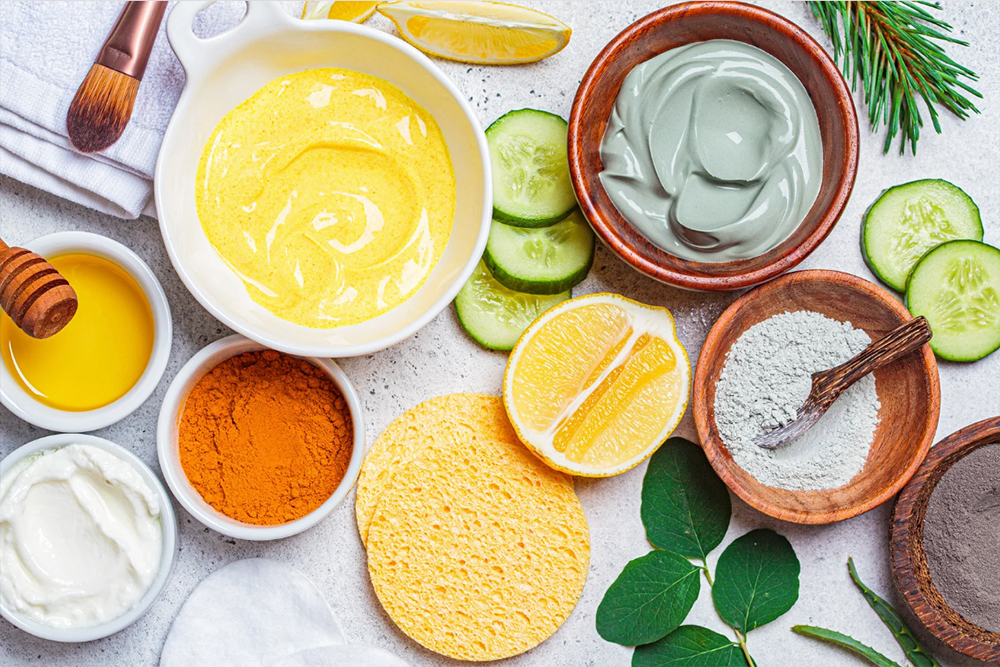
Embrace Your Heritage Through Beauty September is Heritage Month, a time to reconnect with what grounds us and to honour the richness of South African tradition. Celebrate the natural way: with ingredients that are deeply rooted in our continent’s soil and soul. These heritage-inspired staples aren’t...
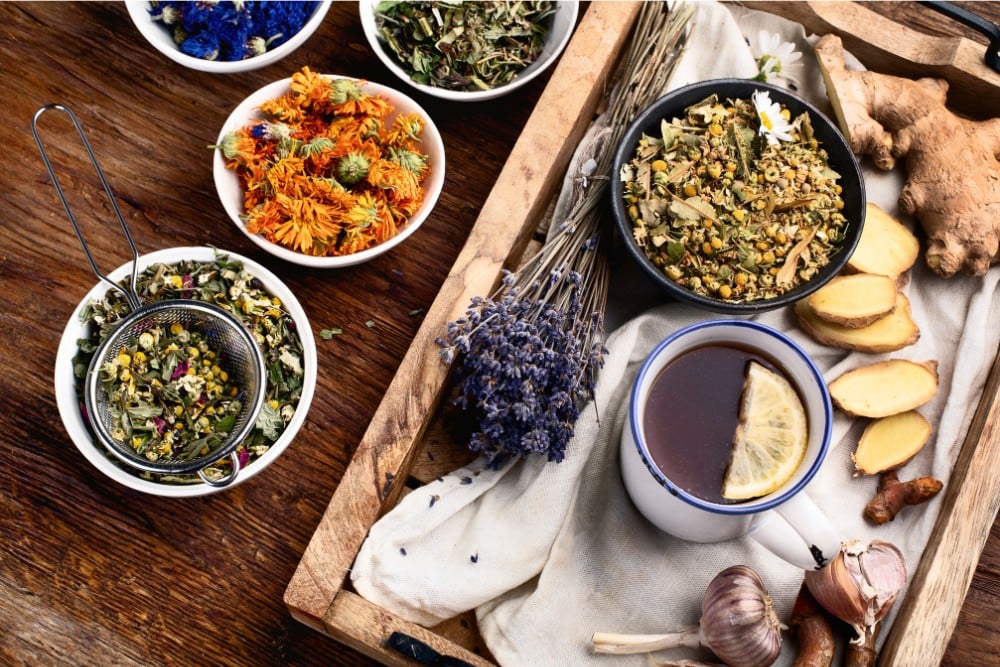
Our bodies have their own incredible systems for filtering and flushing out toxins, but modern life often overloads them. Processed foods, environmental pollutants, stress, and synthetic chemicals can all build up over time. This Heritage Month, we’re shining a light on traditional South African remedies...

What’s Really Lurking in Your Cleaning Products? You want a clean, fresh home. But here’s the reality: many conventional cleaning products are filled with hidden nasties that can do more harm than good - not just to the planet, but to your body too. If you’ve...
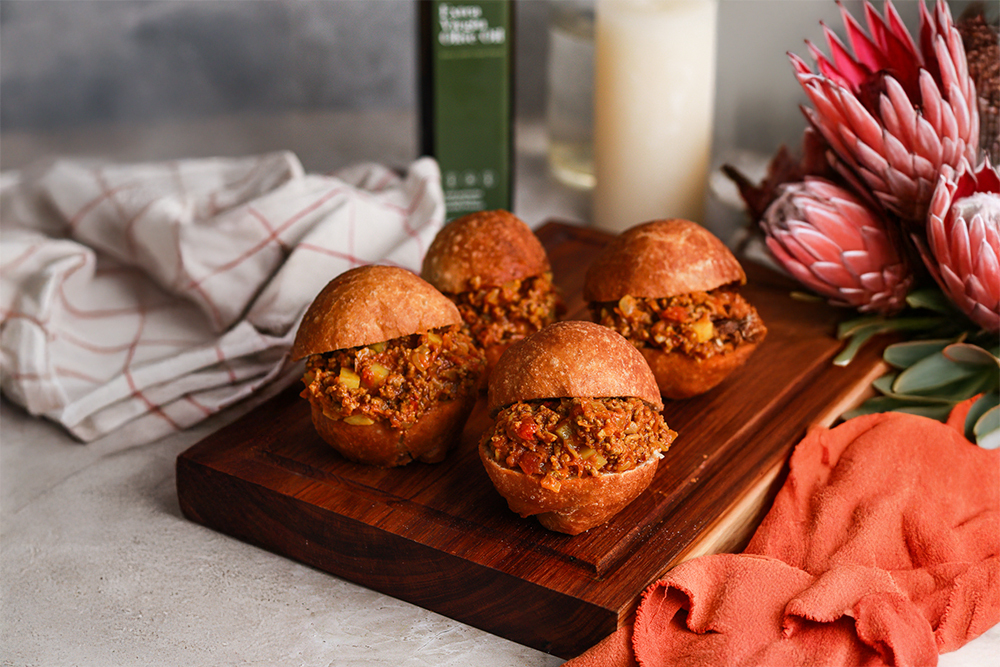
There's something magical about the smell of vetkoek sizzling in hot oil that instantly transports you back to childhood memories and family gatherings. As we celebrate our Heritage, there's no better way to honour our South African roots than by making this beloved traditional treat...

Preparing for your baby’s arrival comes with plenty of excitement and a few nerves, too. One thing that can help you feel more grounded is knowing you’ve packed everything you’ll need for your hospital stay. Think of your hospital bag as a little piece of...
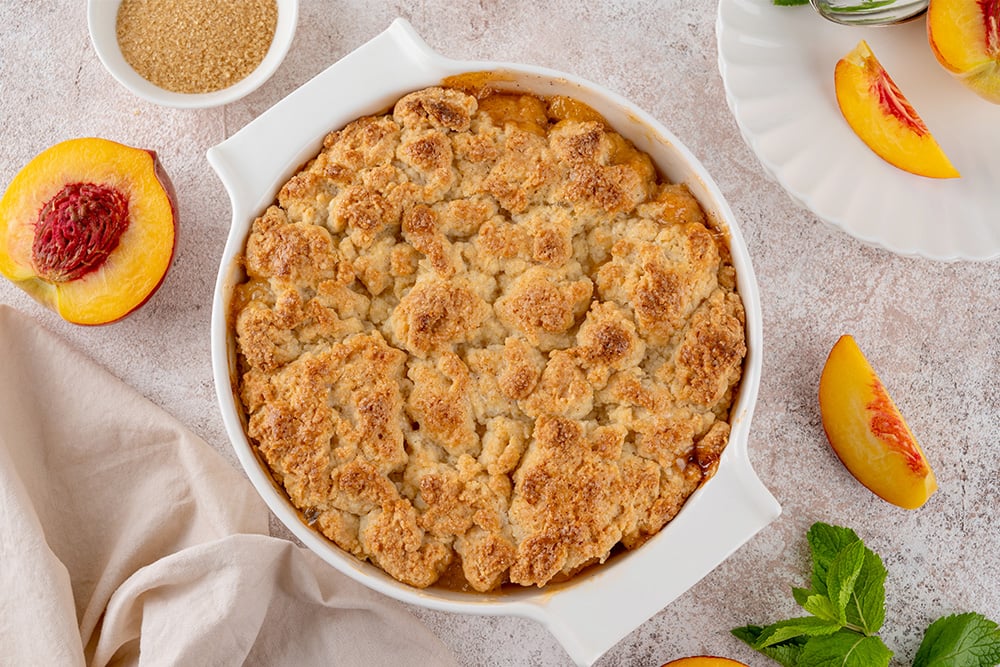
Pregnancy often comes with an endless desire for something sweet. That’s why we love this pregnancy-friendly Peach & Blackberry Cobbler, a gluten-free dessert that’s indulgent, nourishing, and safe for expecting moms. Packed with vitamin C from peaches, blackberries, and lemon, it supports tissue repair, immune...

Pregnancy is one of life’s most remarkable transformations - a time when your body quietly, instinctively begins creating new life. Each day, it’s working behind the scenes, doing things you may not even feel yet, preparing for the little person who’s on their way. The truth...

What Touches Your Skin, Touches Your Whole Body Think about it, your makeup sits on your skin for hours. And your skin doesn’t just keep things out; it also lets things in. From foundation to lipstick, tiny molecules seep in and can make their way into...
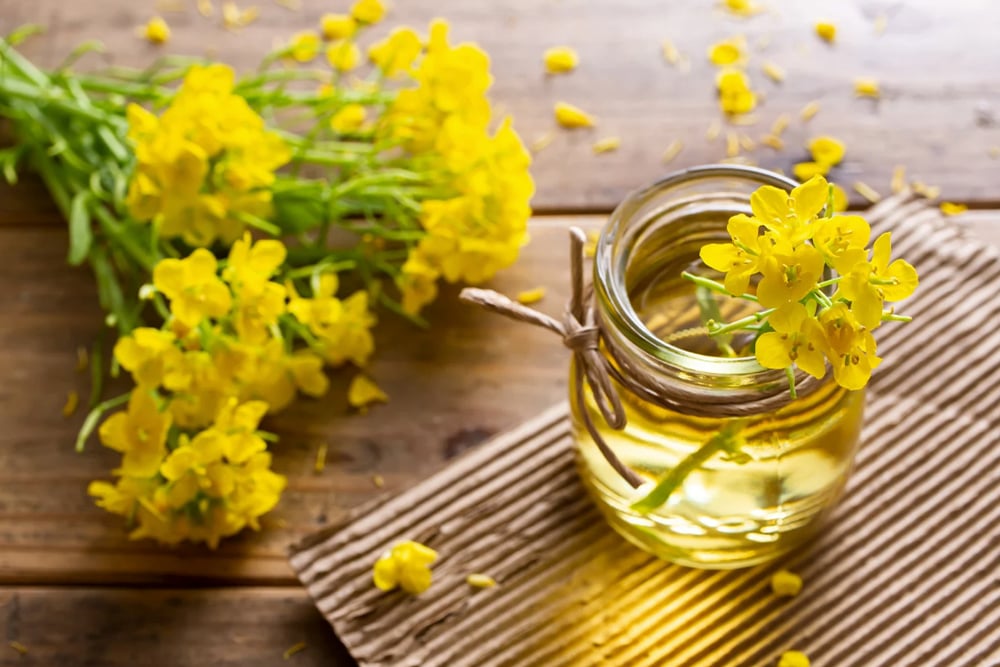
Canola oil is a natural ingredient that's often overlooked or misunderstood. It’s gotten mixed up in the broader debate about seed oils, leading to confusion about how it’s made and whether it’s actually good for you. But the truth is, not all oils are created...

Pregnancy is an exciting journey filled with anticipation, change, and new beginnings. But for many expectant moms, morning sickness can feel like a very unwelcome guest in those early weeks. About 3 in 4 women experience morning sickness, and while it's common, it can also be...

When you hear the word metabolism, you might think of how fast your body burns calories. But it's so much more than that, and understanding your metabolic health is one of the most powerful ways to support your overall well-being and how you feel every...

Exam season can be a stressful time for students and parents. It’s completely natural to want the best outcomes, but sometimes the path to success means learning what works best for your child or for you, as a student. The good news is that with...
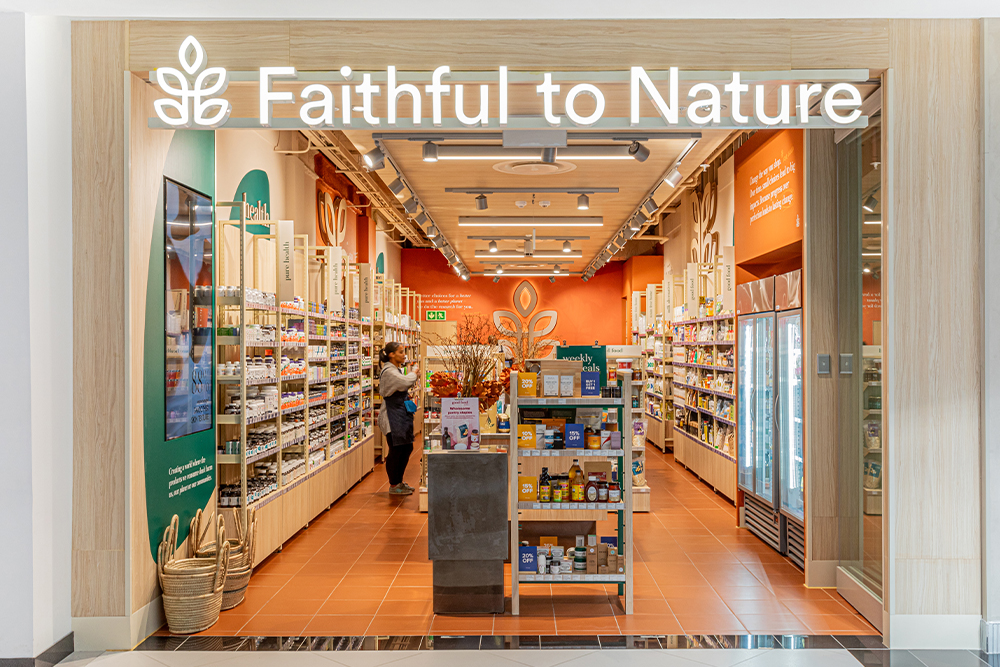
Faithful to Nature, South Africa’s leading conscious and sustainable retailer, is proud to announce the opening of its newest store at Irene Village Mall in Gauteng. Why Irene Village Mall? Known for its peaceful, tree-lined walkways, open-air piazzas, and beautiful garden spaces, Irene Village Mall offers a...
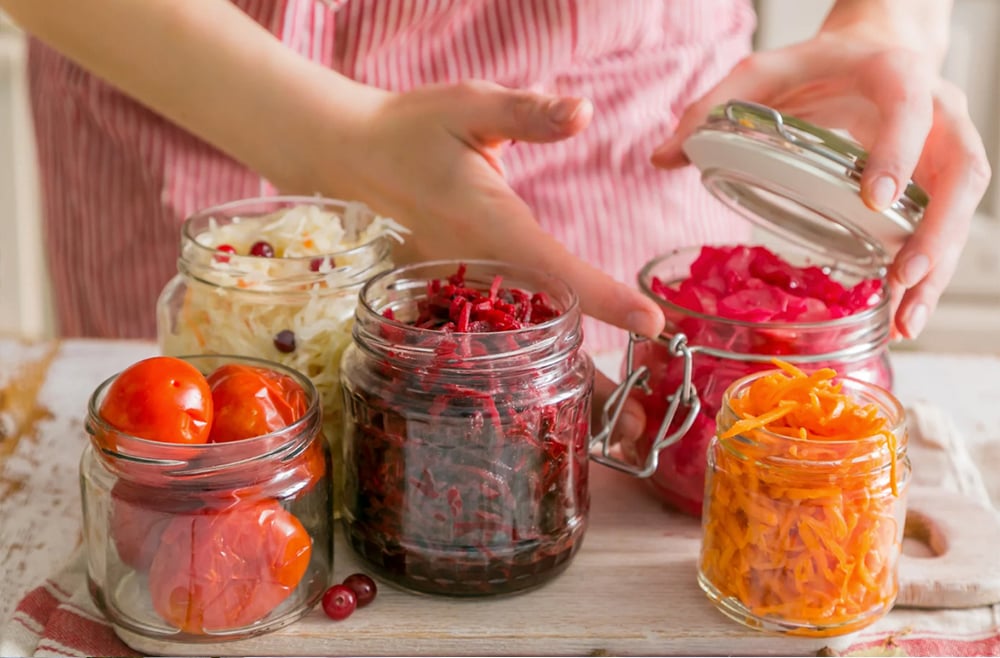
Your Gut: Where Wellness Begins Let’s talk about your gut, not just as a place where digestion happens, but as a thriving ecosystem of trillions of microbes working behind the scenes to support your immunity, mood, skin and energy. It’s often called your second brain for...

Longevity Starts in the Kitchen We often think of aging as something that just happens to us, but the truth is, many of the things we eat daily can play a role in how we age. At the heart of longevity lies cellular health. And what...

Balancing your blood sugar doesn’t need to be complicated, and it definitely doesn’t mean giving up the foods you enjoy. With a few smart swaps and some naturally nourishing ingredients, you can support steady energy, better moods, and long-term wellness. Here are seven easy ways to...

As the air gets crisp and the days grow shorter, our bodies and lifestyles naturally shift to meet the new season. While winter brings an opportunity to slow down, it also comes with challenges like lower immunity, dry skin, and sluggish digestion. Winter wellness is all...

Becoming a parent is one of life’s most exciting journeys, and ensuring you’re giving your baby the best start begins even before you conceive. One of the most powerful ways to support a healthy pregnancy is through good nutrition. But let’s be honest: it’s not...

Father’s Day is a great time to show the men in our lives just how much we appreciate them. It’s also a reminder that wellness isn’t just for the kids and caregivers, it’s for dads too. That’s why we’re flipping the script on rushed, low-energy...

For generations, being the “provider” has been a core part of what it means to be a man - to show up, give your all, and put others first. But somewhere in the doing, many men have picked up the idea that putting themselves second...

Grooming routines have come a long way - but many still treat them like an afterthought, especially when it comes to men. A bar of soap, a splash of cologne, and maybe an all-in-one body wash if you're lucky. Sound familiar? The truth is, looking after...

Did you know your gut health plays a crucial role in your mental well-being? The connection between your digestive system and your brain - known as the gut-brain axis - is increasingly recognised as a key factor in mental health. When your gut is healthy,...

Creatine has long been associated with muscle strength and athletic performance, but recent studies have uncovered a surprising range of additional benefits. From enhancing cognitive function to supporting bone health, creatine is proving to be a powerhouse supplement beyond the gym. Let’s explore the latest...

Attention-Deficit/Hyperactivity Disorder (ADHD) is a neurodevelopmental condition that affects both children and adults. Characterised by inattention, impulsivity, and hyperactivity, ADHD can impact daily life, relationships, and productivity. While conventional treatments are widely used, emerging research suggests that saffron extract may offer additional support for managing...

A healthy gut is key to overall well-being, and supporting it with natural remedies can help maintain balance. Parasites are organisms that live off a host, feeding on nutrients from the body. While some cause no noticeable symptoms, others can disrupt digestion, energy levels, and...
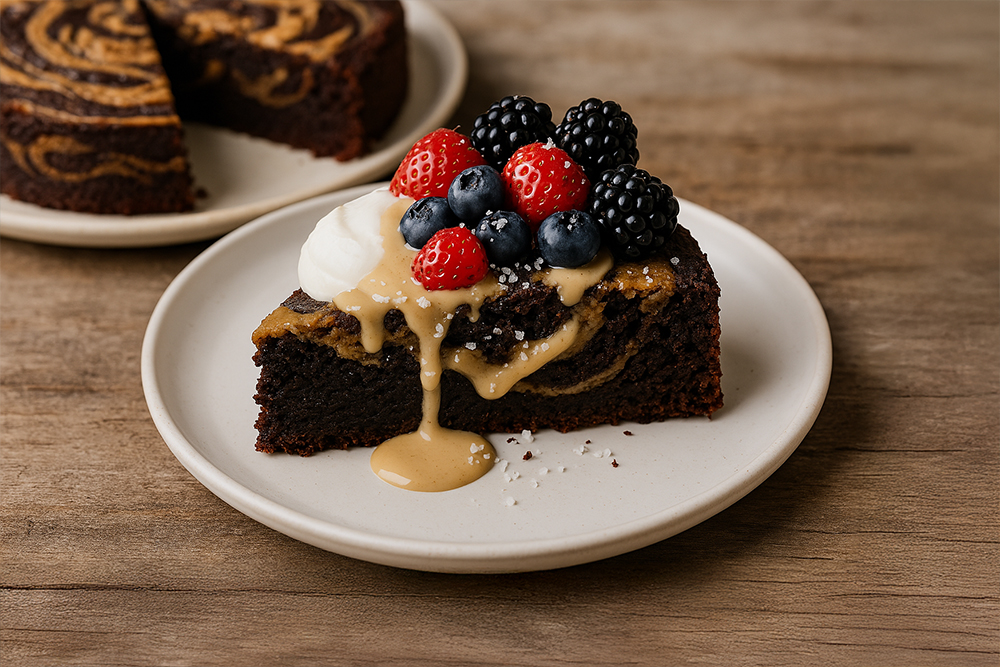
This Mother’s Day, appreciate a nurturer in your life with a delicious homemade bake. Our Dark Chocolate & Tahini Swirl Cake combines rich, velvety chocolate with a creamy tahini twist, creating a truly indulgent yet guilt-free treat. Whether you're celebrating with afternoon tea or enjoying...

Breakfast in bed is one of those cherished Mother’s Day rituals that any hardworking mom will look forward to. These delicious Mother’s Day recipes are easy to make and guaranteed to melt mom’s heart! Dads, gather the kids and get cooking this Mother’s Day –...

Mothers are truly amazing, I’m sure we can all agree! But how do we genuinely express our gratitude to the incredible women who take on one of the most important roles in the world? Honestly, no gift can fully capture it. But there are plenty...

Ramadan is observed by Muslims worldwide through daily fasting from dawn until sunset. This period of spiritual devotion includes two essential meals in the day: Suhoor, consumed before the first light of dawn, and Iftar, taken after sunset. These carefully timed meals are fundamental to...

Ozempic has been making waves—not just as a treatment for Type 2 diabetes, but also as the secret behind weight loss transformations, especially among Hollywood stars. While it may seem like a miracle drug, it's important to consider the long-term health effects and whether...

Collagen is often called the 'fountain of youth,' and for good reason! As the most abundant protein in the body, collagen plays a crucial role in keeping our skin firm and elastic while supporting our joints and overall mobility. But as we age, collagen production...
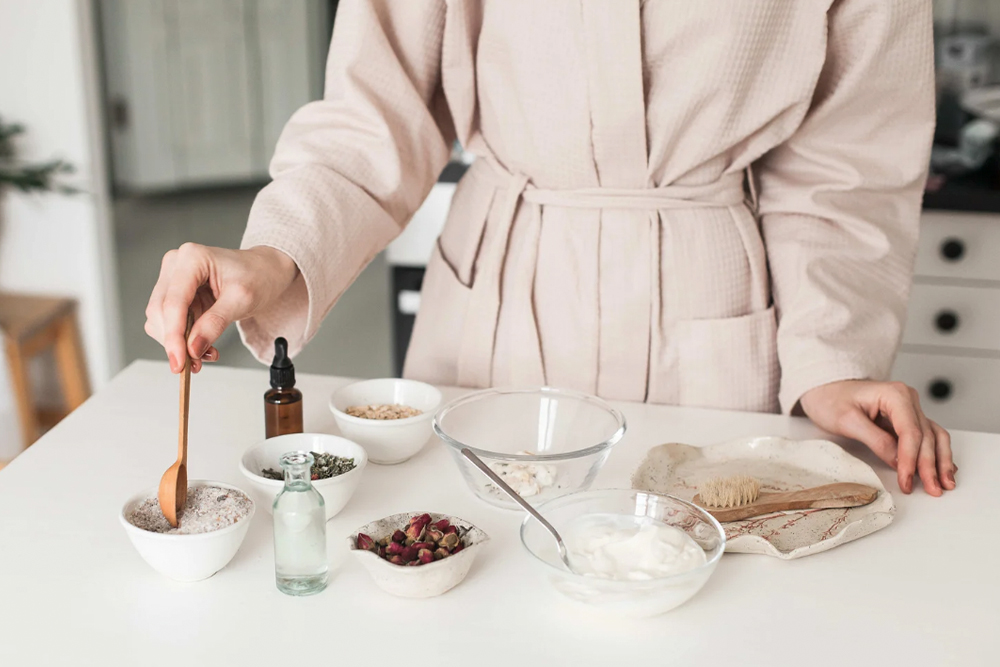
Want to start your better beauty journey without breaking the bank? Create your own DIY beauty routine using simple, effective ingredients you likely already have at home! From gentle cleansers to nourishing hair masks, discover how to make clean beauty work for you and experience...

Contrary to popular belief, there's no overnight miracle cream or quick fix that can turn our skin, hair, and nails into perfection. While we might see those unrealistic filter-perfect selfies and dream of flawless skin, the truth is: beauty begins with health. The beauty world has...

Retinol has long been celebrated as the gold standard in anti-ageing skincare. From reducing fine lines and wrinkles to improving skin texture and tone, it's a go-to for achieving youthful, glowing skin. But, like most conventional beauty ingredients, retinol has its pros and cons, and...
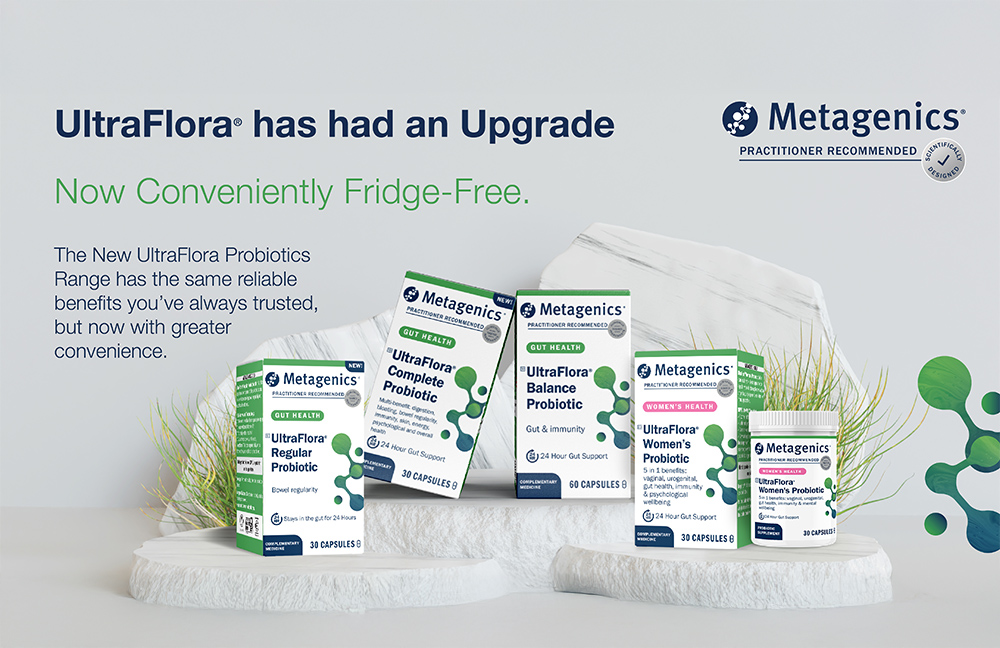
The trusted Metagenics UltraFlora® Probiotics range has been upgraded for even better performance. With the same reliable benefits you know and trust, UltraFlora® now comes with enhanced packaging, an improved formulation, and even greater convenience for your daily routine. What's New? Fridge-free convenience: No need for refrigeration,...

What is Minoxidil? Minoxidil is a medication commonly used to treat hair loss, particularly in cases of hereditary hair loss. It works by stimulating hair follicles and increasing blood flow to the scalp, which can promote hair growth. While Minoxidil is effective for many people, it's not...
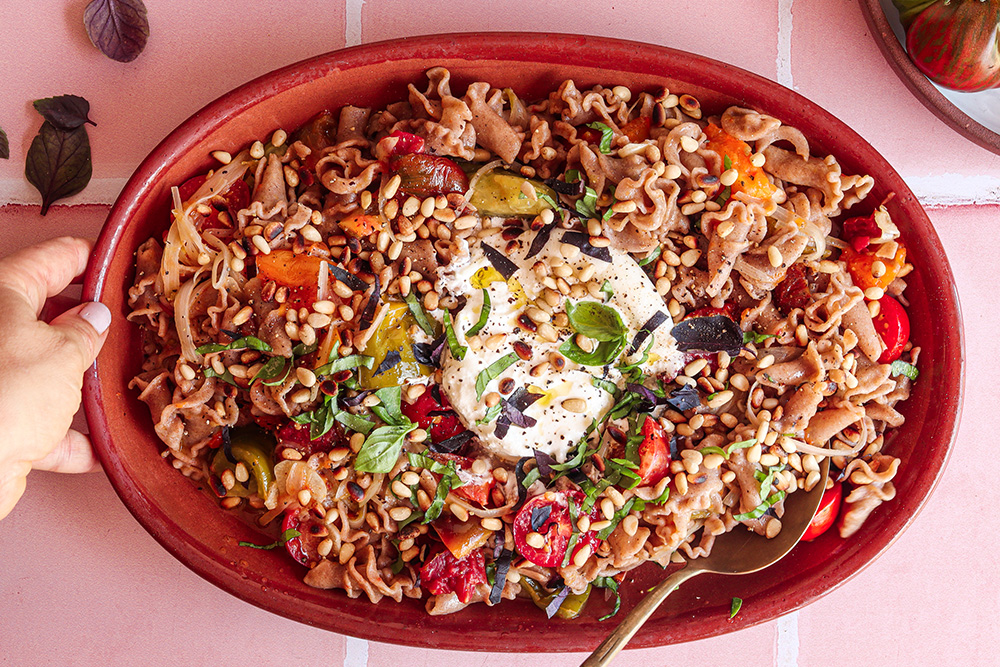
This Tomato Pasta with Burrata and Basil is the perfect dish for warm summer nights—it's fresh, light, and bursting with flavour. With just a handful of ingredients and ready under 30 minutes, you’ll have a crowd-pleasing meal that's as satisfying as it is easy to...

Your libido is often thought of as a simple reflection of your sexual desires, but it can reveal important insights about your overall health and well-being. Sexual wellness goes hand in hand with self-care, and paying attention to your libido can help you understand more...

In recent years, the beauty industry has seen a significant shift toward cleaner, more natural skincare products. With a growing awareness of ingredients and their effects on our overall health, many are turning to safer, chemical-free alternatives that are gentle on the skin. Opting for a...

As we step into the new year, now is the perfect time to focus on supporting your body and mind. A simple way to do this is by adding Vitamin D and a good all-round multivitamin to your daily routine. These nutrients can boost your...

Vitamin DAKE refers to a group of four essential vitamins—D, A, K, and E—that work together to support your overall health. Each vitamin has its own unique benefits, but together, they play a crucial role in helping your body stay strong, balanced, and healthy. Vitamin D Known...
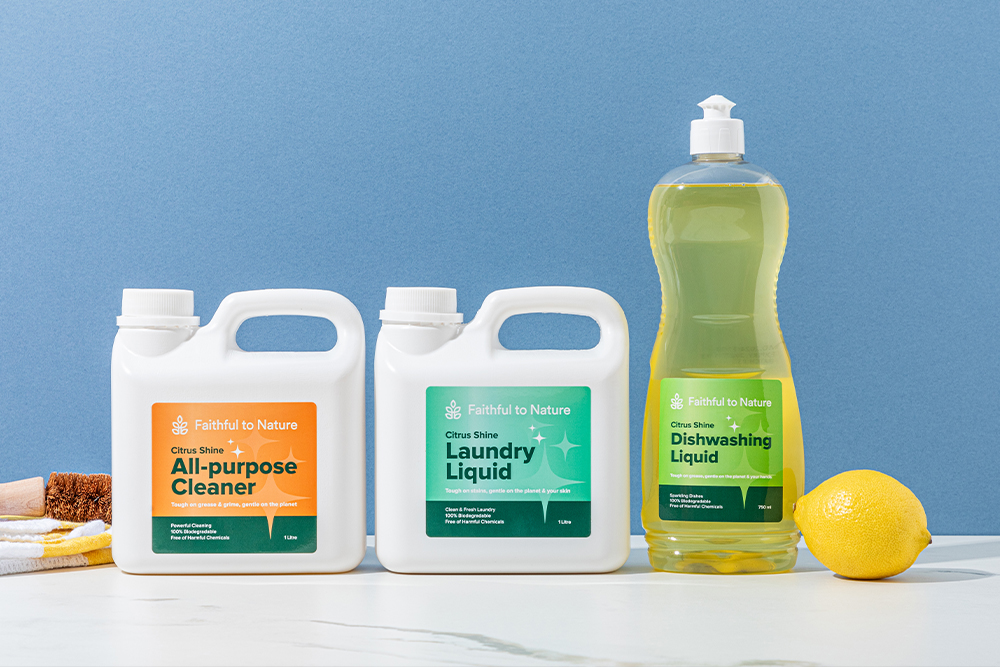
Transform your cleaning routine with Faithful to Nature's new range of earth-friendly cleaning essentials. Formulated with powerful, non-toxic ingredients, these biodegradable products are tough on dirt and grime yet gentle on your skin and the planet. Keep your home naturally clean and your family safe...

Staying hydrated throughout the summer doesn't necessarily mean making best friends with your CamelBak. You may be well-practised in guzzling water, but unless your body has sufficient amounts of the essential minerals required to absorb and use the water to hydrate tissue and organs, you're really...

When working toward any goal, preparation is key for success. And if you're thinking about starting a metabolic detoxification program, it's important to begin your journey with a positive mindset. Detox programs may seem intimidating, especially for beginners, but they don't have to be. To stay motivated, remember...
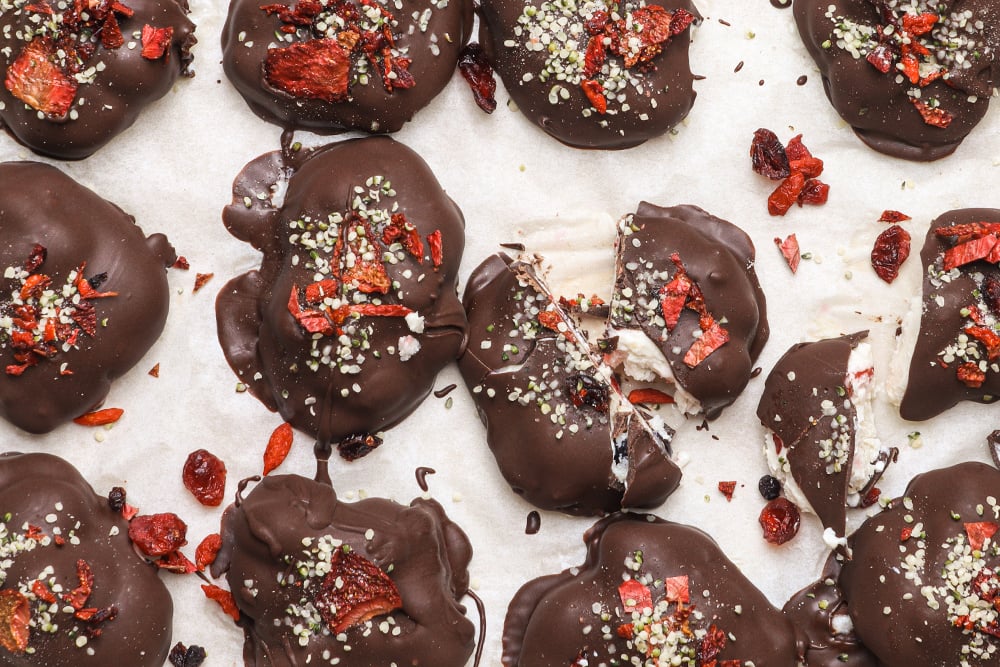
Looking for a delicious, guilt-free treat? These Berry, Yoghurt & Chocolate Clusters are quick, easy, and oh-so-tasty! Perfect for snacking or sharing, and packed with all-natural goodness. Ingredients 1 ½ cups Greek Yoghurt ¼ cup Maple Syrup 1 cup Fresh Berries (we used strawberries & blueberries) 2 slabs Honest Chocolate...
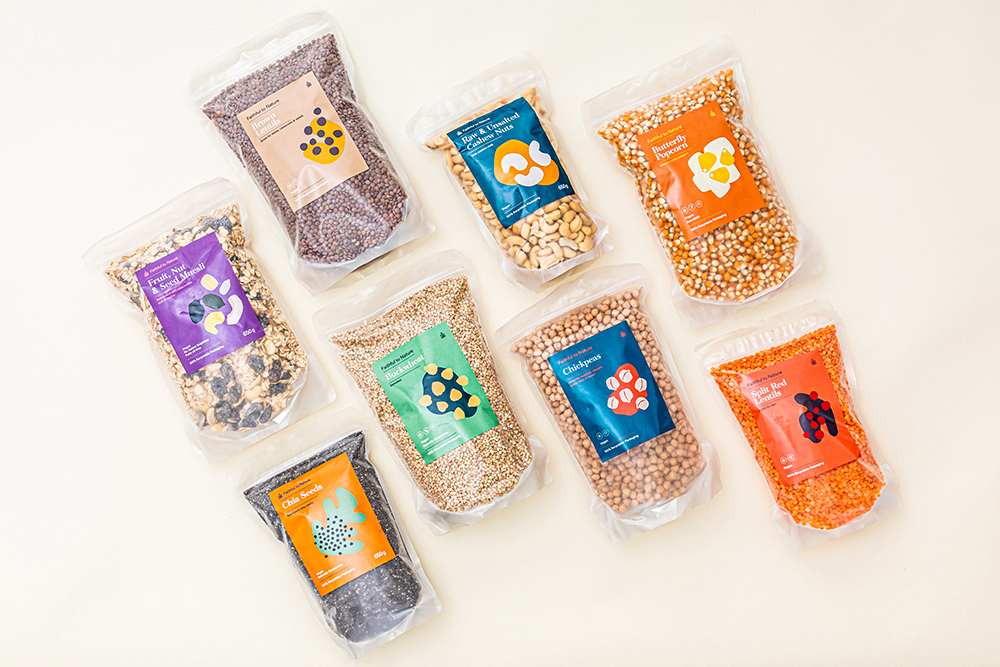
We’re thrilled to announce a positive change in our packaging for Faithful to Nature’s pantry range! Our new packaging solution is a testament to our ongoing commitment to sustainability and quality. Introducing Recyclable Doy BagsOur pantry products are now packed in 100% recyclable doy bags made...

As your child moves through their tween and teen years, they'll encounter many new aspects of personal care, including their first deodorant. Introducing them to deodorant is not just about combating odour; it's also about empowering them to take charge of their personal hygiene. Here's...

As your child steps into their teenage years, they face new challenges—especially when it comes to their skin. With hormonal changes often leading to acne and other skin concerns, it's a great time to introduce your teen to a skincare routine. You can help guide...

Navigating ADHD can be a journey filled with unique challenges, both for those living with the condition and their families. While seeking medical guidance is important, there are gentle and nature-focused approaches that can help cultivate calm and stability. By incorporating natural supplements, aromatherapy, and...

As a parent, witnessing your child struggle with allergies can be both worrisome and stressful. Allergies occur when your child's immune system overreacts to certain substances, causing symptoms that can affect their daily activities and overall well-being. Let's look at some of the common childhood...

If you struggle with allergies, you know just how frustrating they can be. Caused by the immune system overreacting to common substances like pollen, pet dander, dust mites, mould or certain foods, allergies can easily disrupt your daily routine. But fear not! By understanding triggers...

When it comes to making better product choices, there's one daily essential many people tend to overlook: deodorant! Switching to natural deodorant alternatives is one of the simplest yet impactful changes you can make to benefit your health and the environment. Let's take a look...

Last updated: 27 July 2026 It is incredible how small changes in our everyday routines can make such a meaningful difference, to our homes, our health, and the planet. But before we talk about what to switch to, it is worth understanding what many of us...

Thinking about switching to natural shampoo? Many of us reach for the same conventional shampoos without realising the impact of their ingredients—not just on our hair but also on our health and the environment. At FtN, we're committed to helping you make the best sustainable...
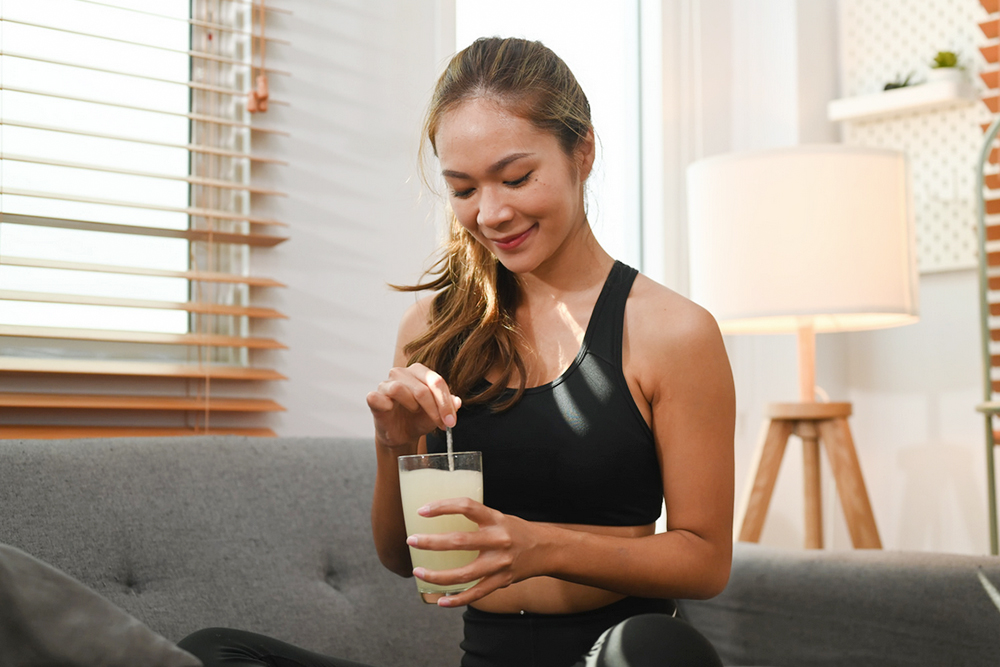
Collagen is an essential protein for supporting youthful skin, strong nails, and healthy joints. With its rising popularity as a beauty supplement, many people are exploring natural collagen alternatives that align with their health and ethical values. If you're eager to embrace sustainable collagen options,...

Dive into leading wellness trends of the past 18 years, from magnesium and collagen to apple cider vinegar. We're celebrating nearly two decades of wellness innovations that have transformed our health routines. Discover the top products that have made a lasting impact and continue to...
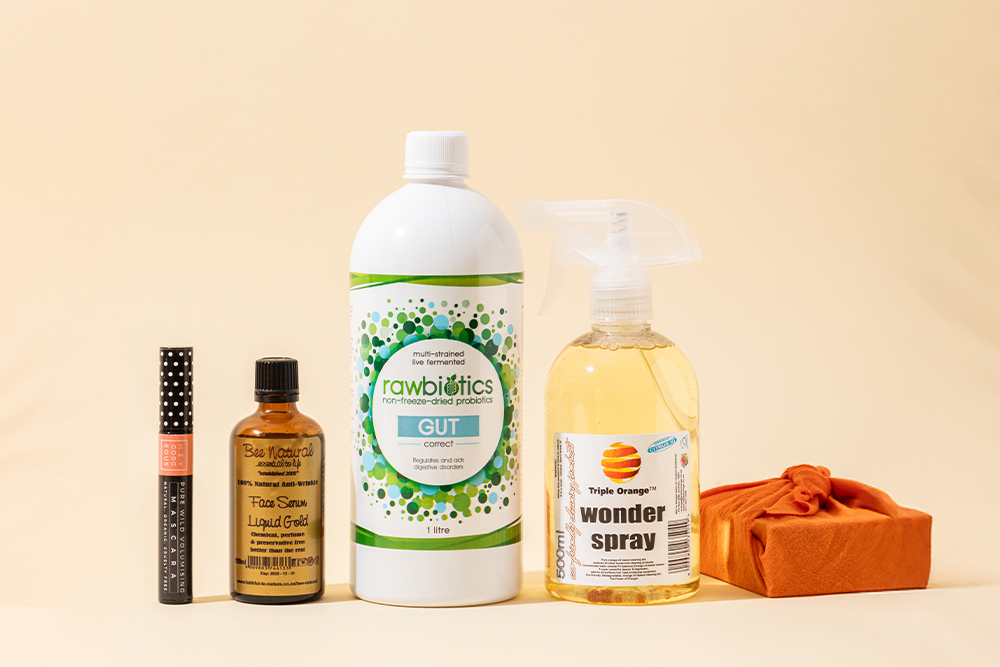
Discover the top 10 highest-rated products loved by our customers. Find out what makes these products stand out and why they've earned rave reviews. 1. Hey Gorgeous Pure Wild Volumising Mascara 592 Reviews The Hey Gorgeous Pure Wild Volumising Mascara is a fan-favourite for a reason. This mascara...

Managing blood sugar, or glucose levels, is essential for maintaining your overall health. Let’s explore what blood sugar is, how it works in your body, and the supplements that can support healthy glucose management. What is Blood Sugar? Blood sugar, also known as glucose, is the primary...

Cognitive health is vital for overall wellbeing, encompassing our ability to think, learn, remember, and make decisions. As we age, maintaining these functions becomes increasingly important to our quality of life. Fortunately, there are numerous ways to naturally support brain health and enhance cognitive function....

Baby-wearing is an age-old tradition that has been practised for centuries. In ancient civilizations, mothers used simple cloth wraps or slings to keep their babies close while managing daily tasks like farming and gathering. This practice was driven by necessity; with no modern conveniences like...
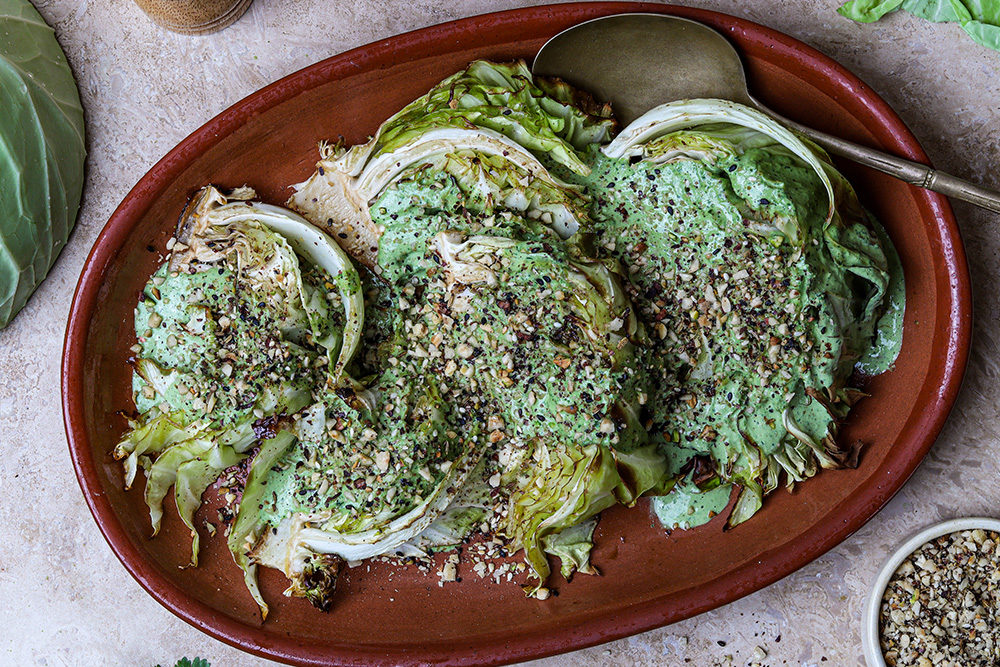
Celebrate Women's Month with this delicious Roast Cabbage Wedges With Herby Tahini and Dukkah recipe from An Earthen Life. Nourishing and bursting with plant-based goodness it's the perfect feel-good dish to share with your girlfriends! Prep + cook time: 1 hour and 5 minutes Serves: 5 INGREDIENTS For the...
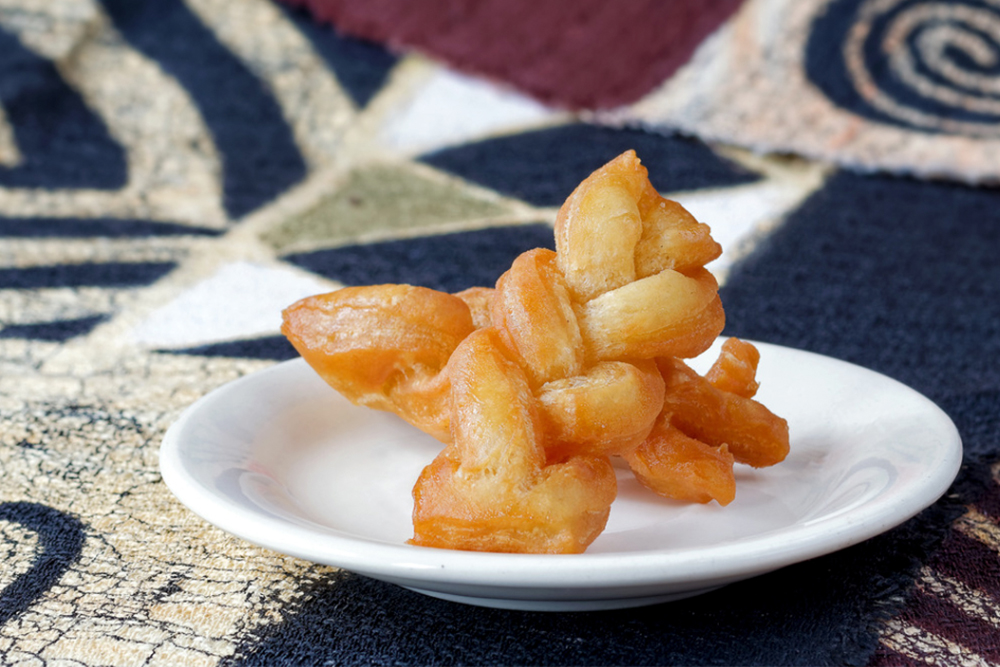
If you have a sweet tooth, then South African koeksisters are for you! This traditional sweet treat consists of deep-fried plaited dough, soaked in a ginger and cinnamon spiced sugar syrup - heavenly! INGREDIENTS For the syrup: 530ml water 800g sugar Pinch of salt 2 ½ tsp cream of tartar 1 tsp...

Africa's rich biodiversity offers a wealth of unique botanicals that have been cherished for centuries. Celebrated for their healing properties, these plants naturally boost your health and overall well-being. Let's take a closer look at five trending African botanicals: Sceletium, Soursop, Aloe, Artemisia, and Hoodia,...
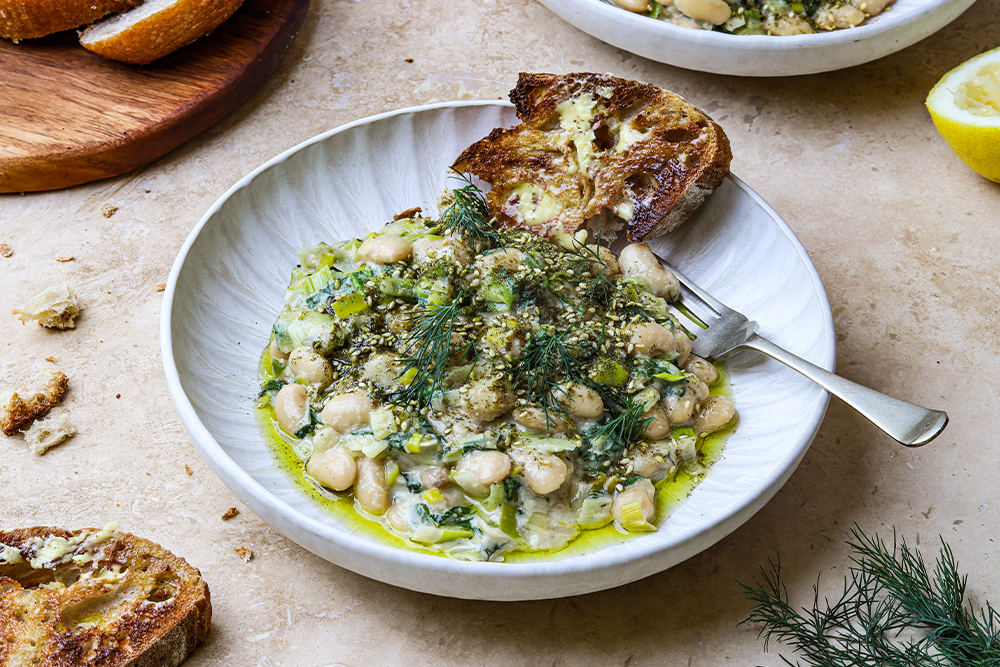
A comforting and wholesome recipe that’s perfect for any day - our Creamy Herb Butter Beans with Fresh Bread. Packed with plant-based goodness, this dish is delicious and nourishing. Shop what you need at FtN and let’s get cooking! INGREDIENTS:For the Beans:2 cups Butterbeans, soaked overnight...

Every BODY and every age have unique nutritional needs. However, with every stage of life, there are common nutritional inadequacies that women are most likely to experience. Learn what supplements are best for YOU! 20sYou may find yourself strapped for time and cash during these exciting...
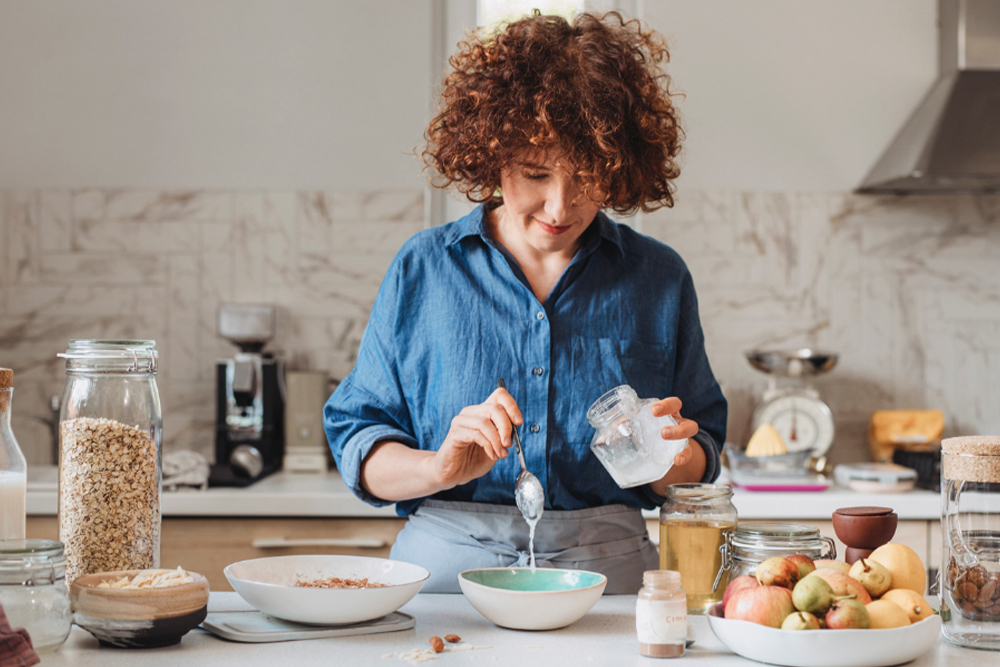
While olive oil remains a kitchen staple prized for its robust flavour and health perks, there are plenty of equally fantastic cooking oil alternatives waiting to be explored. From the creamy richness of avocado oil to the subtle buttery tones of macadamia oil, each oil...
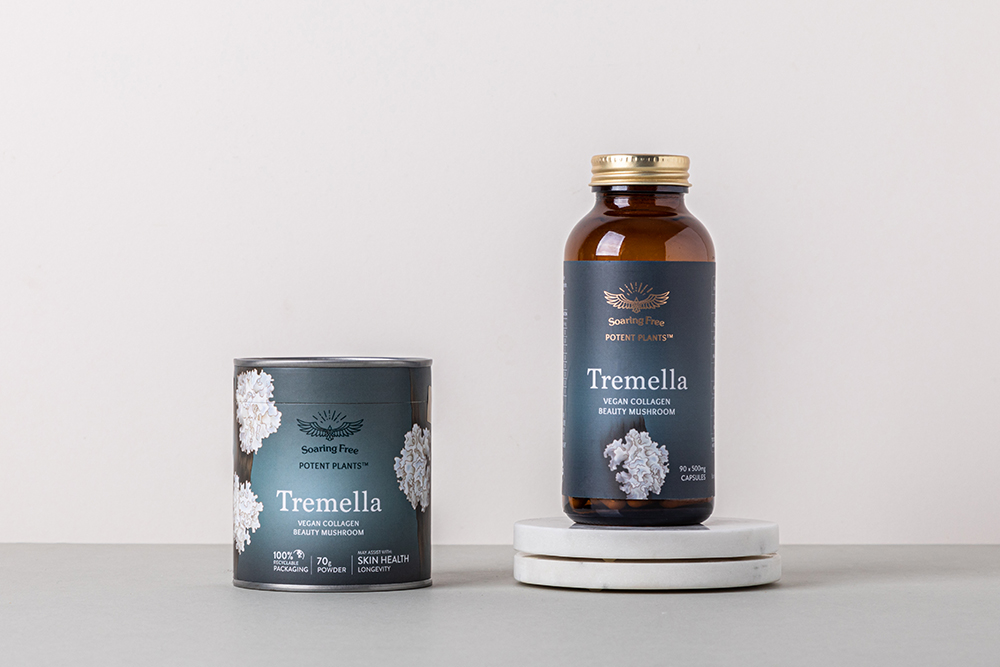
Want to unlock youthful, radiant skin? Discover the transformative benefits of Soaring Free Tremella Mushroom Capsules - a powerful mushroom supplement that promotes collagen production while slowing down signs of ageing. More About the Tremella MushroomTremella mushrooms, also known as 'snow fungus,' are a species of...

Caring for hair loss and thinning hair can feel daunting, but embracing holistic, natural, and sustainable methods can transform your hair care routine. Nurturing your hair with essential vitamins and high-quality products that promote health and growth is the best way to have you feel...

What Are Ice Baths?Ice baths, also known as cold-water immersion, are a form of cryotherapy where you submerge your body in ice-cold water for a short period. This practice, often used by athletes, has been gaining popularity for its numerous health benefits. But you don't...

Red Light Therapy (RLT) is a gentle, non-invasive treatment that uses soothing red light to penetrate the skin, offering health and beauty benefits. This technique has become increasingly popular for its simplicity and effectiveness, making it a favourite among wellness enthusiasts.How Does It Work?Red Light...
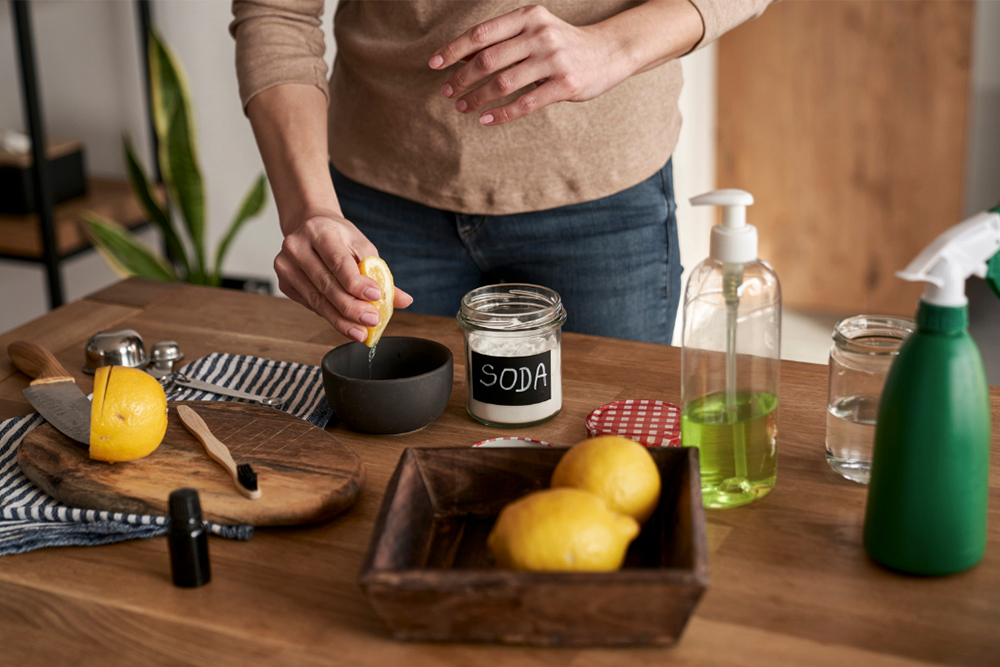
Bicarbonate of soda, also known as baking soda, is a versatile and affordable household staple with a wide range of practical uses beyond baking. From cleaning to personal care, let's explore five ways to use this powerhouse ingredient in your home: Natural DeodoriserBaking soda is renowned for neutralising odours, making it...
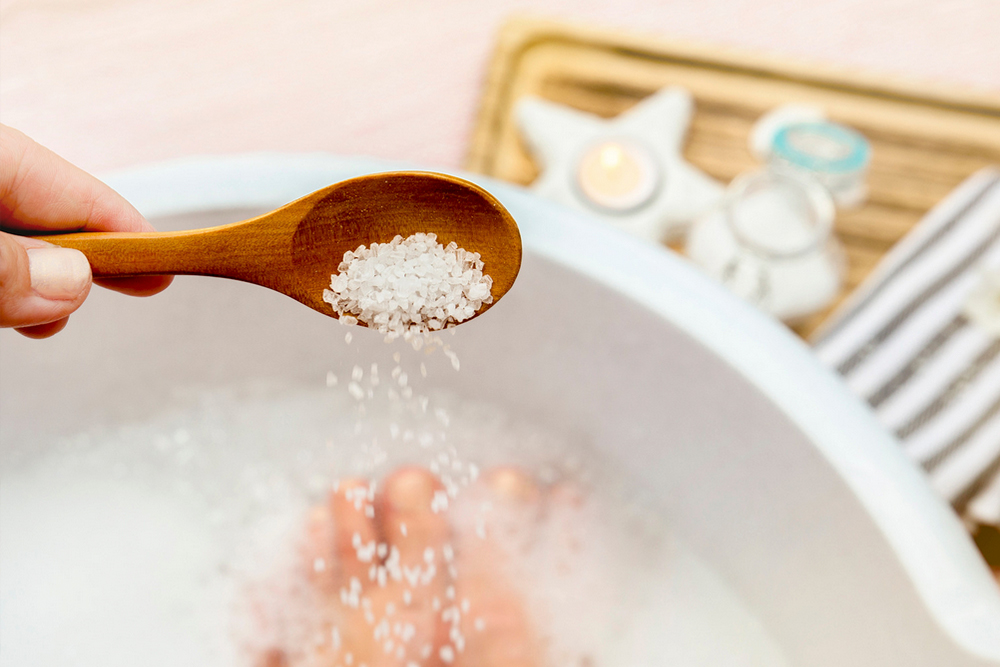
Adding Epsom salts to your bath transforms your bathing experience into a spa-like retreat and offers many health benefits for your body and mind. Let's dive into the soothing secrets of Epsom salt baths and discover why they're a must-have in your self-care routine. What Are Epsom Salts?Despite...
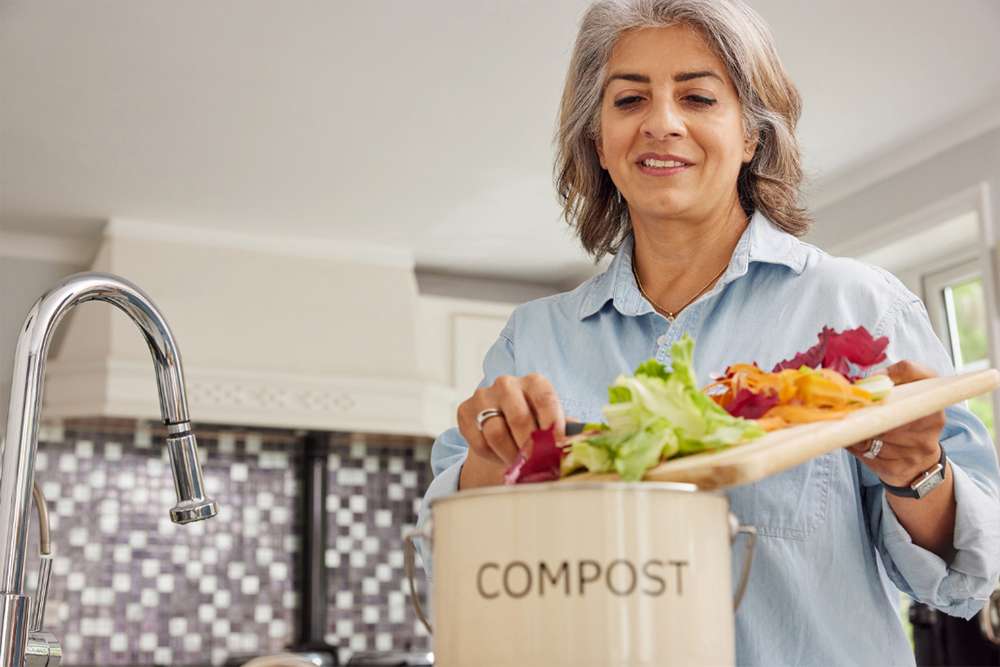
Cutting down on food waste is a simple yet impactful step toward sustainable living and making a meaningful difference for our planet. It's not just environmentally friendly; it also saves money and encourages healthier living. Here are four simple ways to start reducing food waste...

Urinary tract issues, including infections (UTIs), inflammation, and discomfort, are common ailments affecting millions globally. Understanding the causes and effective management strategies is crucial for maintaining urinary tract health. Factors like bacterial infections, dehydration, poor hygiene, and, in some cases, hormonal changes during menopause can...

We're diving into the world of probiotics and exploring how these tiny organisms play a big role in supporting your immune health. We often hear about probiotics in the context of gut health, but their benefits extend far beyond digestion. What Are Probiotics?Probiotics are live bacteria and yeasts that are good...
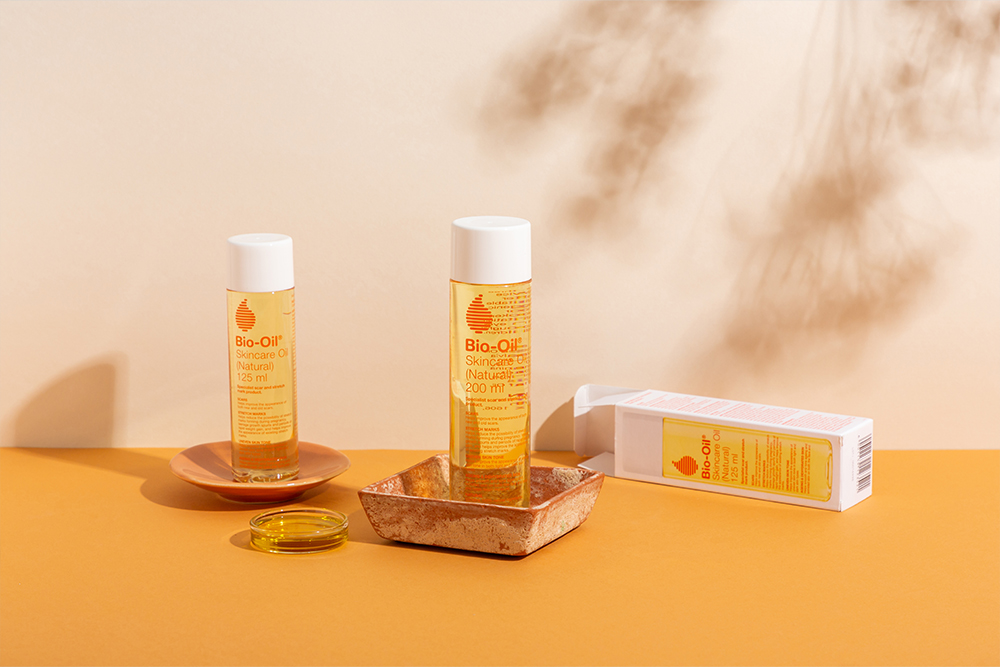
As winter sets in, our skin often bears the brunt of the harsh weather. The cold, dry air can quickly strip moisture from the skin, leading to dryness, irritation, and sensitivity. To combat these challenges and maintain healthy, hydrated skin throughout the colder months, Bio-Oil offers a...
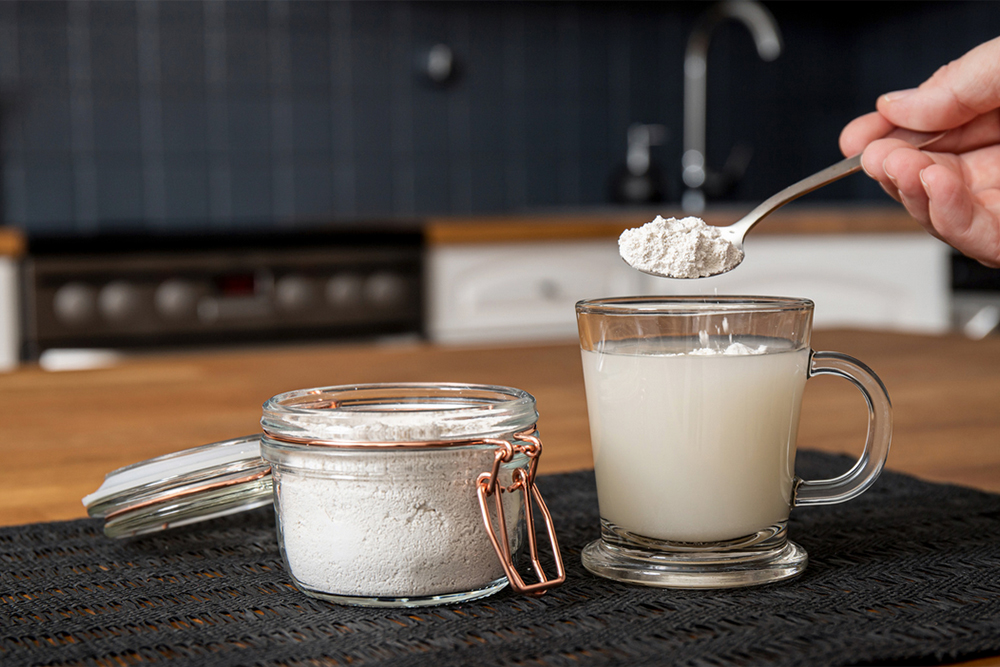
What Is Diatomaceous Earth?Diatomaceous Earth is a naturally occurring sedimentary rock composed of the fossilised remains of tiny aquatic organisms called diatoms. These diatoms lived in bodies of water millions of years ago and left behind silica-rich skeletons. When these skeletons accumulate and fossilise, they form...
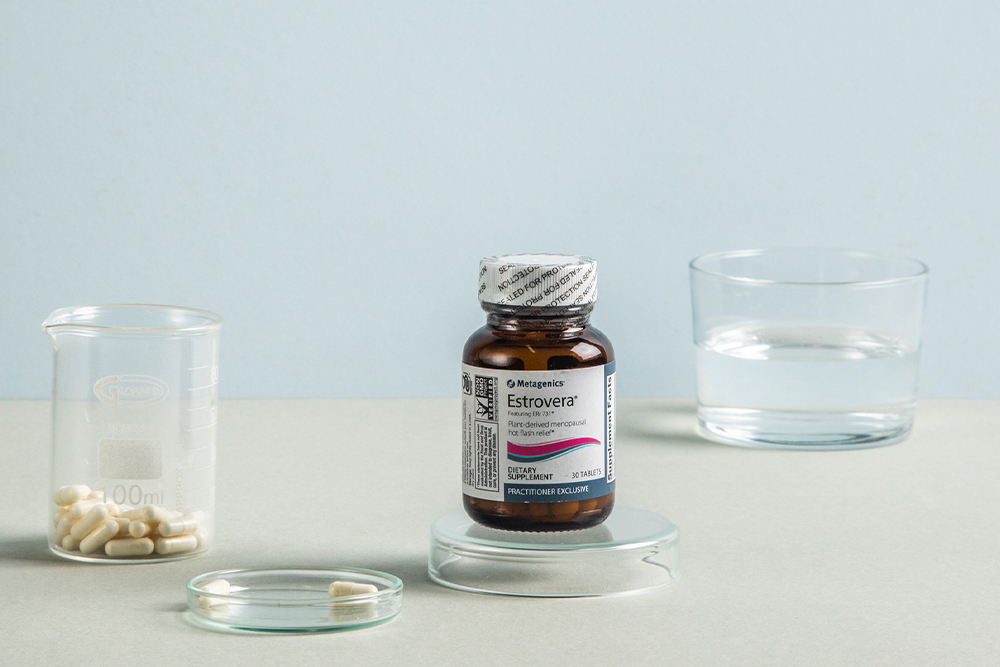
Menopause is a natural phase in a woman's life that comes with its own set of challenges, including hot flashes, sleep disturbances, mood swings, irritability, and anxiety. Fortunately, natural remedies like Metagenics Estrovera offer a promising solution. The Power of Rhapontic RhubarbAt the heart of Metagenics Estrovera is Rhapontic Rhubarb,...

As the chill of winter sets in, it can bring out significant changes in our skin. The drop in temperature, low humidity levels, and exposure to harsh elements can leave our skin feeling dry, flaky, and irritated. To combat these winter skin woes, understanding the science behind...

Looking for new and exciting ways to boost your cognitive agility and keep your mind sharp? Biohacking offers a revolutionary approach that integrates science, technology and lifestyle adjustments, empowering you to achieve optimal cognitive function and well-being. From supplements and sleep optimisation to stress management, join us as we delve into biohacking...

Breakfast isn’t just about filling up, it’s your first chance to support energy, focus and long-term wellness. For biohackers, this meal is a key part of the daily routine: a carefully crafted combination of nutrients that powers your body and mind. Whether you’re juggling a demanding...

In the quest for optimal health and performance, biohacking has emerged as a groundbreaking approach to unlocking the body's full potential. From boosting cognitive function to promoting longevity, biohacks offer a range of interventions that can revolutionise your well-being. Drawing inspiration from leading biohacker Dave...

Biohacking has emerged as a fascinating trend as people seek innovative ways to optimise their health and well-being. But what exactly is biohacking, and how can you get started? Let's explore the basics of biohacking and discover practical tips for incorporating biohacking techniques into your daily life. What...
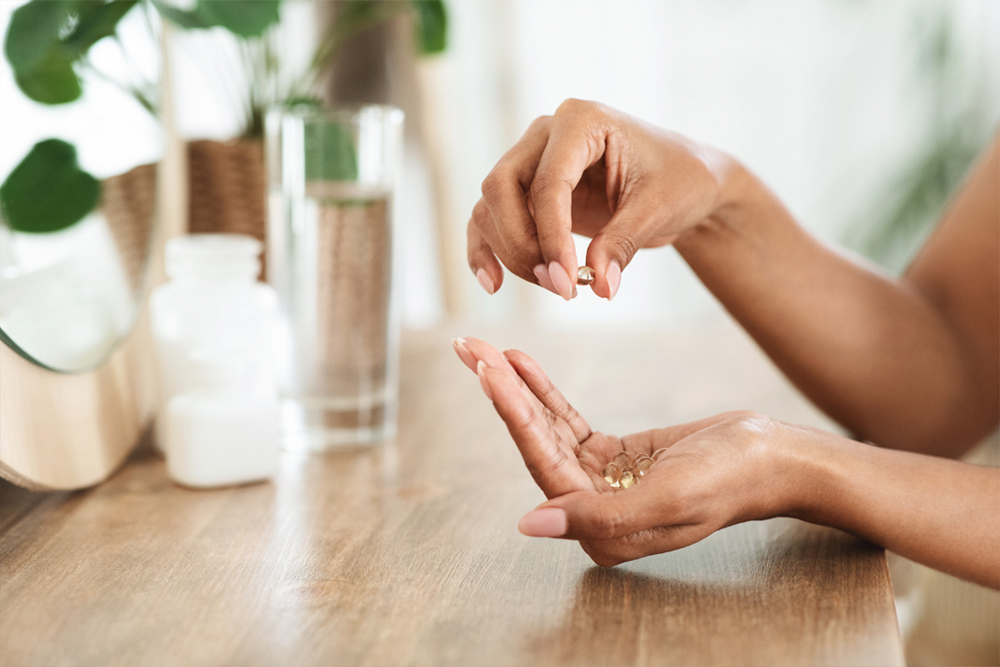
At its core, biohacking taps into the power of science, technology and lifestyle tweaks to boost performance and wellness. And while technology and gadgets often get a lot of attention, let's not forget about the vital role of supplements. These natural compounds work hand-in-hand with...

Biohacking encompasses a wide range of practices, from nootropics and genetic engineering to fasting protocols and wearable technology. While some advocate for its potential to revolutionise health and extend lifespan, others raise concerns about the risks and ethical implications. The key to biohacking safely lies in adopting a holistic approach...

The call for sustainable living has never been louder. From reducing waste to conserving energy, there's a growing awareness of our collective responsibility to protect the planet. While adopting a more sustainable lifestyle may feel overwhelming, the good news is that you don't have to do it...
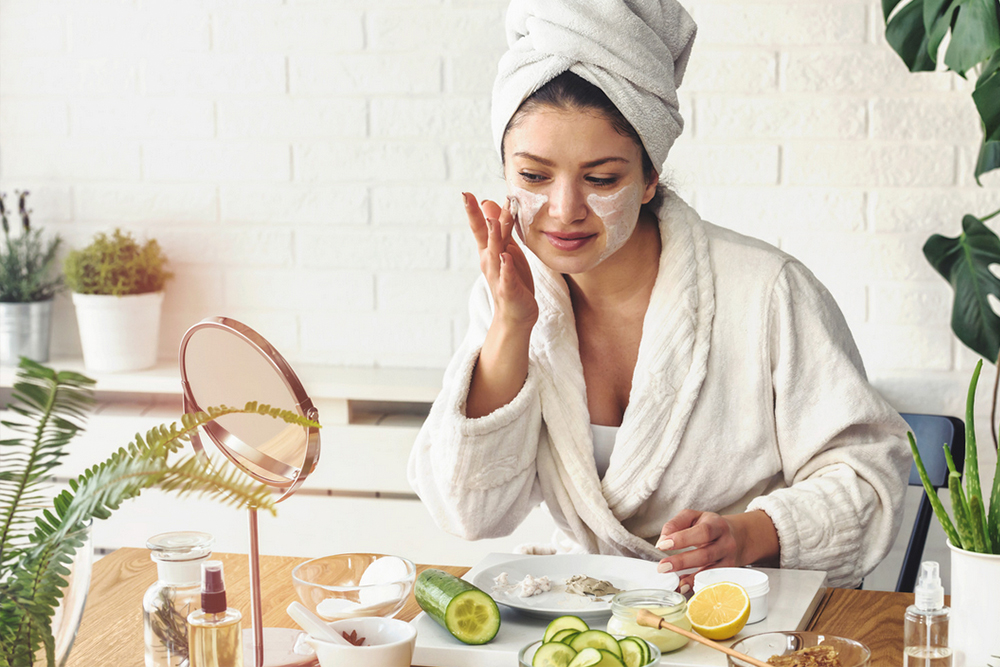
Eczema, a chronic skin condition affecting millions worldwide, often proves stubborn to traditional treatments. However, a growing body of research suggests that a holistic approach focusing on plant-based skincare, superfood nutrition, and mindful living can relieve and rebalance the skin's health. The transformative potential of...

In a world where the pursuit of youthfulness often involves needles, injectables and scalpels, a natural revolution is taking place, bringing forth a fresh and holistic approach to skincare. Say goodbye to the invasive procedures and hello to the power of face yoga and acupressure...

Essential omega fatty acids, crucial for heart health, brain function, and overall well-being, aren't just found in fish oils. You can source these vital nutrients directly from the plant kingdom. Flaxseeds, chia seeds, and walnuts are power-packed with Omega-3s, while hemp seeds and algae oils offer a well-rounded profile of omega fatty acids. Embrace...

In the journey towards a healthier lifestyle, making mindful choices about what we put on and in our bodies is a powerful step. The beauty and wellness industries are crowded with products that promise miracles, but at what cost? It's time to strip back the...
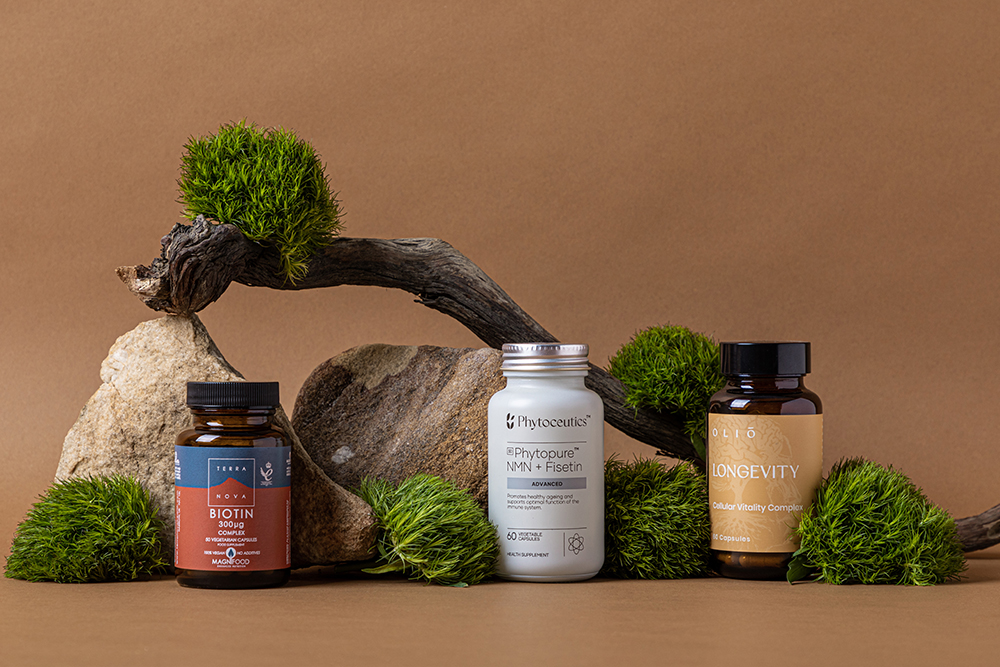
In maintaining youthful, vibrant skin, knowledge is as vital as the products we choose. A holistic approach to skincare emphasises the balance and synergy between body, mind, and the environment, offering a respectful and nurturing path. Let's dig deeper into the science and wisdom behind...
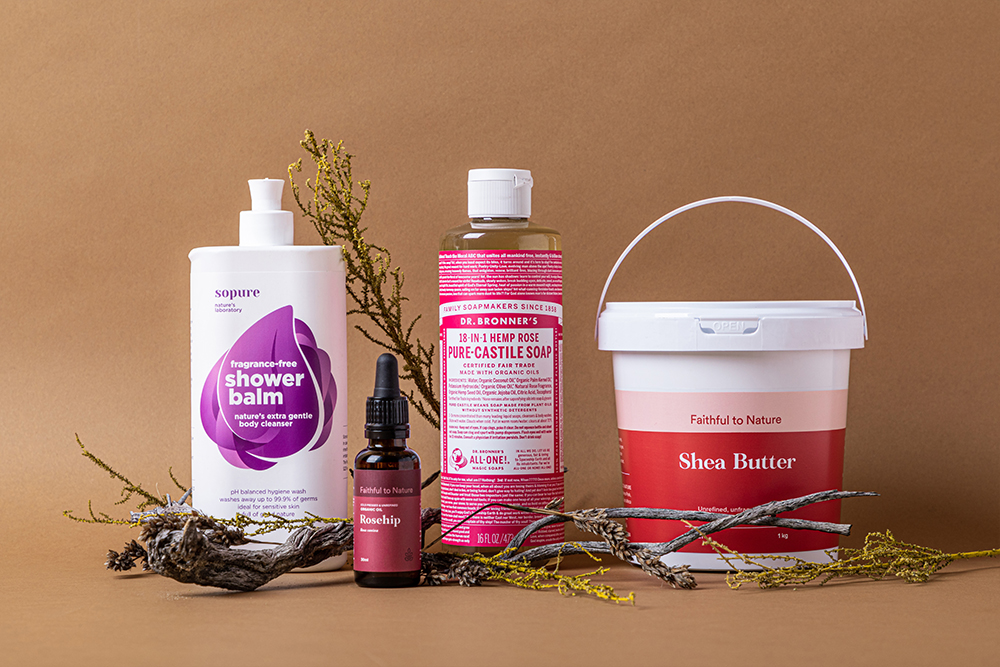
In an age where our daily routines are inundated with synthetic scents and chemicals, the shift towards fragrance-sensitive products is not just a trend—it's a lifestyle change that champions health, simplicity, and environmental awareness. This guide is for those looking to understand the benefits of...
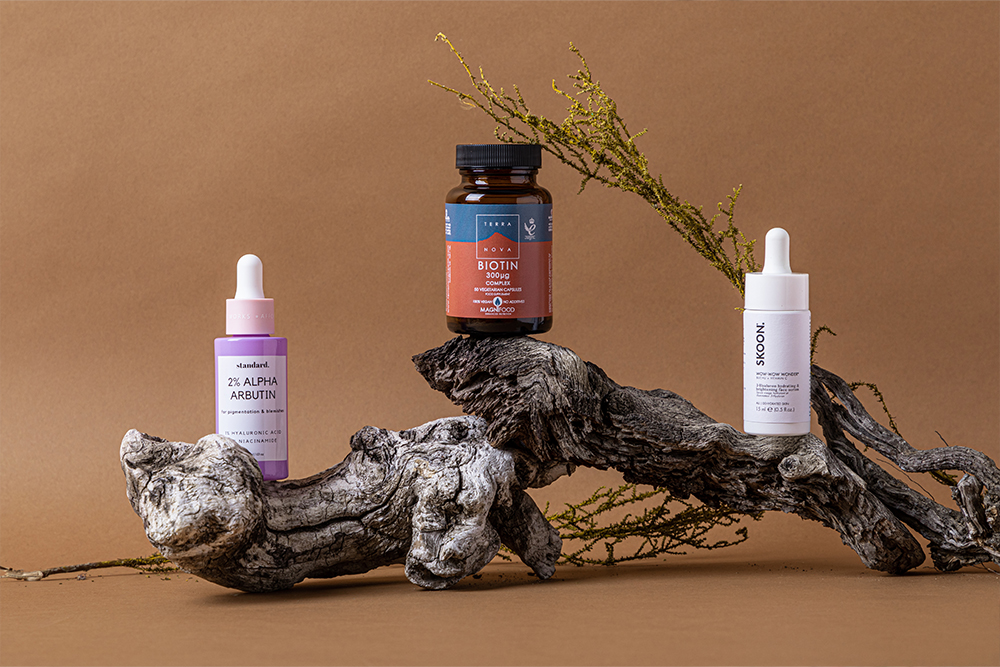
The pursuit of ageless beauty often leads us down the path of invasive procedures like Botox. However, by harnessing the power of natural beauty ingredients, nutrient-rich foods, and potent supplements, you'll discover that a holistic approach to beauty is the foundation for a radiant complexion...

Mitochondria are tiny powerhouses inside our cells. They work hard to produce energy, helping our cells do their jobs. This energy is stored in a small but mighty molecule called adenosine triphosphate (ATP). Taking good care of our mitochondria is important for our overall health,...
Creating a list of every superfood might make your grocery list longer than you'd like. Thankfully, a system developed by the National Institute on Aging simplifies things. It's called the ORAC scale, which stands for oxygen radical absorbance capacity. This scale helps us understand which...
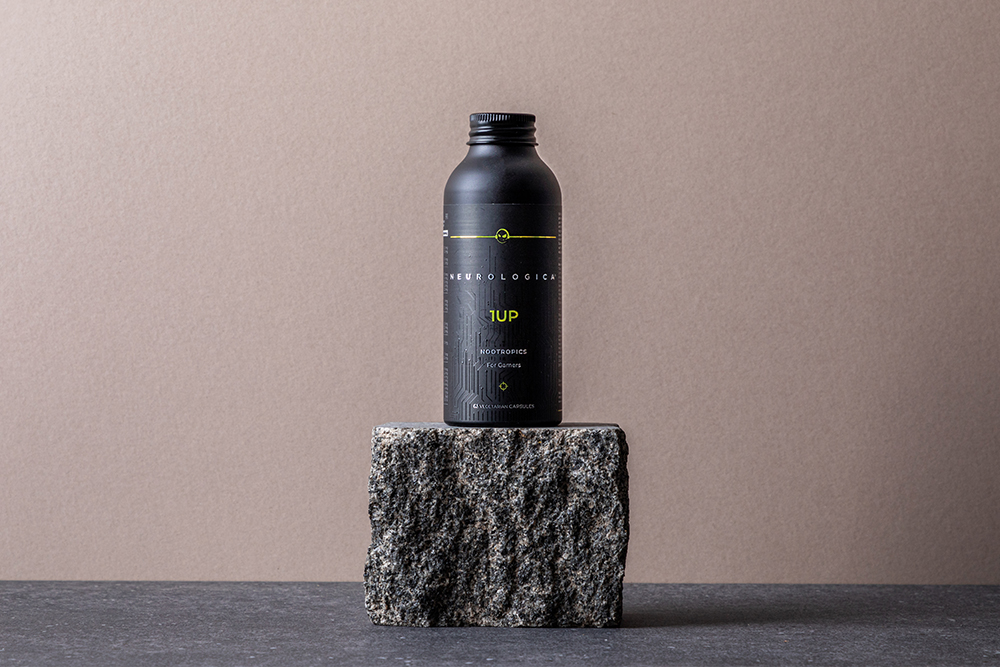
Are you ready to elevate your gaming experience? Neurologica 1UP is the first nootropic stack crafted specifically for the gaming community. Play with Power: What Makes Neurologica 1UP Unique?Neurologica 1UP is not just another supplement; it's a revolution in gaming enhancement. Designed to fuel gamers with a steady flow...

Whether you’re a pro athlete, a weekend warrior or just a regular gym-goer, you will know that your nutrition and hydration are of utmost importance for your performance and recovery. During exercise, the average person will lose between 0.8 and 1.4 litres of water per...

Water, the essence of life, plays a crucial role in keeping us hydrated and healthy. It's not just about quenching thirst; water is vital for our bodily functions, aiding in digestion, circulation, and temperature regulation. With increasing concerns about contaminants and environmental pollutants, it's more...

Athletes at all levels are constantly seeking ways to enhance their sports performance. Nutrition plays a pivotal role in achieving peak physical condition and ensuring optimal recovery. We're here to guide you through essential nutritional choices and supplements, including proteins, healthy snacks, whey protein, collagen, and vegan collagen...

Embarking on a journey of holistic health can be both exciting and daunting. Ayurveda, an ancient Indian system of medicine, offers a path to wellness that harmonises body, mind, and spirit. This beginner's guide will introduce you to the basics of Ayurveda, making it easy to integrate...
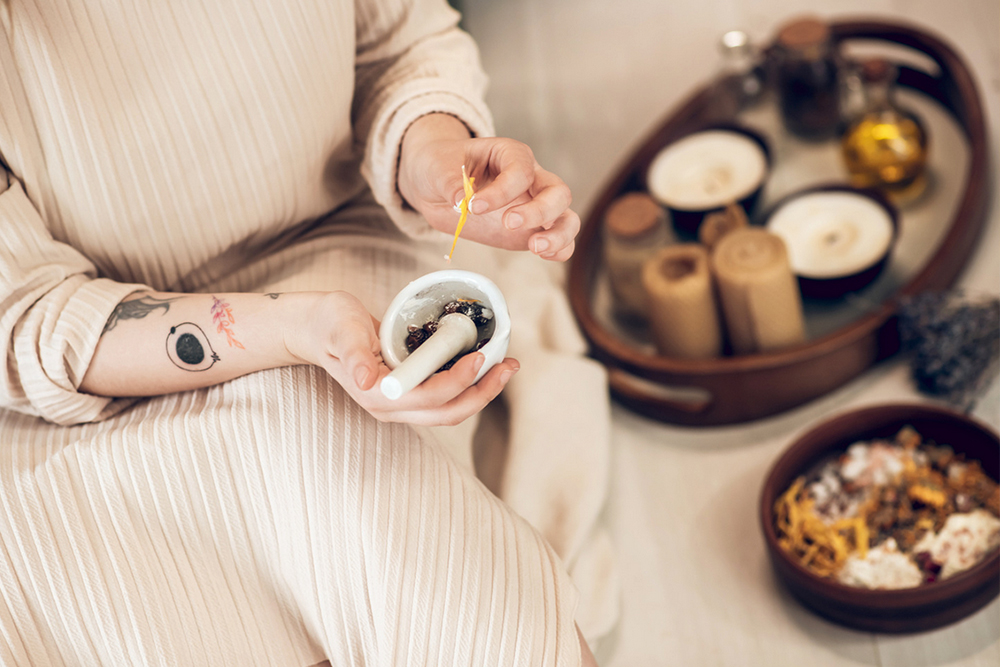
Ayurveda is a natural system of medicine & holistic wellness that originated in India over 3,000 years ago and is considered a legitimate form of medical care in that region, on par with conventional Western medicine, with practitioners requiring state-recognised training. The word Ayurveda means...

The holiday season is a time of joy and celebration, marked by warm weather and long, sunny days. This time of year often brings about changes in routine and diet, with an abundance of rich foods and social events. While these are integral to the...

Choosing natural cleaning solutions that avoid harsh chemicals is a simple way to care for both our wellbeing and the environment. Having a clean home doesn't have to come at the expense of our planet or our loved one's health. It's time to embrace home cleaning that...

In the world of natural remedies, few ingredients boast the versatility and time-tested efficacy of castor oil. Derived from the seeds of the castor bean plant (Ricinus communis), castor oil has been a cherished beauty and wellness staple for centuries. Let's explore all its incredible benefits and...

Shopping for pantry staples and snacks at Faithful to Nature means choosing products made with clean food ingredients you can trust. Our commitment to providing you with the best possible quality starts with our dedicated dietary filters and a strict ingredient policy. We want to...
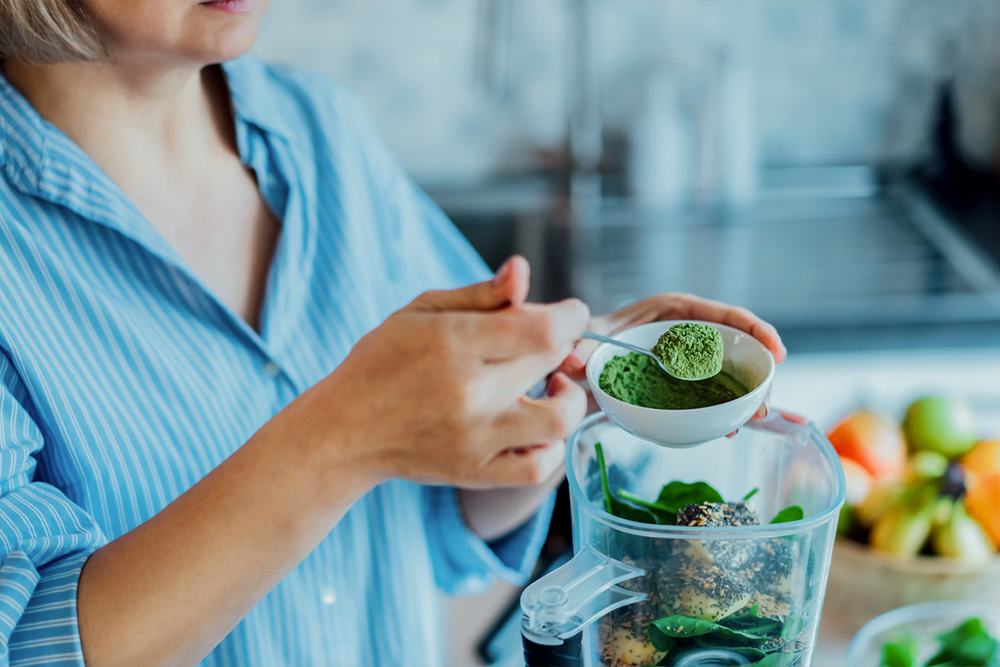
Green powders and cleanses offer a natural way to enhance our well-being and boost energy. These powders help to support our body's own processes and help to revitalise and nourish us. They typically contain a rich blend of nutrients such as antioxidants, vitamins, and minerals which work together to help...

Tongkat Ali is a flowering plant native to the rainforests of Southeast Asia, mainly found in countries like Malaysia, Indonesia, and Thailand. It has been a staple in traditional medicine for centuries, revered for its remarkable properties. Often referred to as "Malaysian Ginseng" or "Longjack," Tongkat Ali has...

What are Trace Minerals?Trace minerals, also known as trace elements or micronutrients, are minerals that our bodies require in very small amounts for various physiological functions. While we don't need them in large quantities like macronutrients, they are equally crucial for maintaining overall health. These...

What is Shilajit?Shilajit, a form of mineral pitch, is a brownish-black rock found in the Himalayan mountains. It's known as "the mother of all medicines" and is said to be one of the most powerful rejuvenating tonics in Ayurvedic medicine. People have used shilajit for centuries for...

With the increased warmth outdoors, empower yourself with the right ways to enjoy the sunny weather safely. At FtN, we're huge advocates for mineral-based sunscreens instead of chemical sunscreens for several reasons.How do mineral sunscreens differ from chemical ones?Chemical sunscreen absorbs into the skin, where...
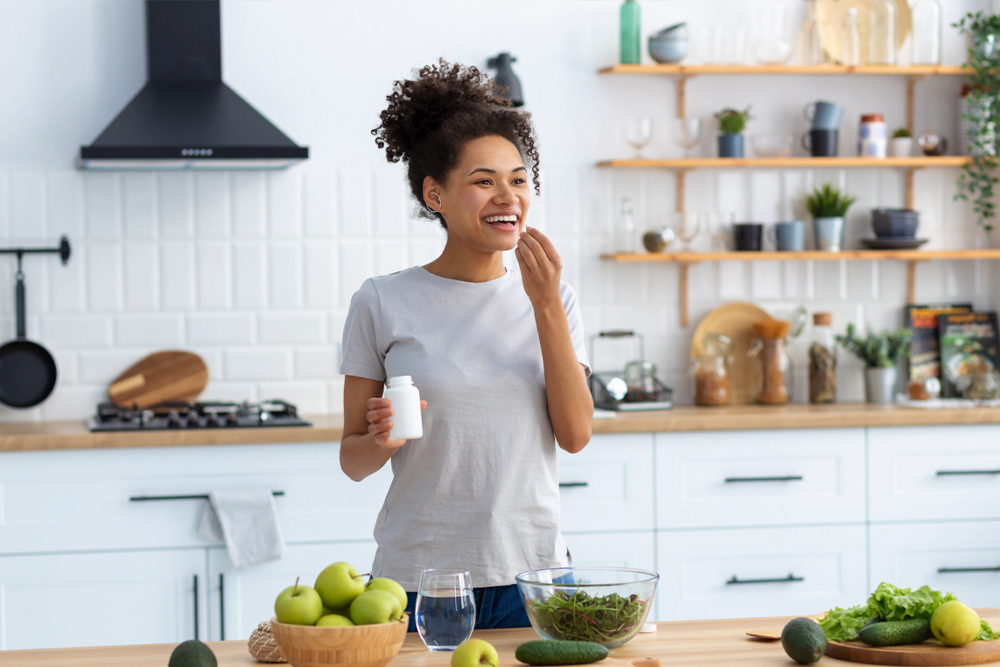
Who wouldn't want to live a healthier and more youthful life? While we can't turn back time, we can make our journey healthier and more enjoyable. One promising ally in this quest is NMN, or Nicotinamide Mononucleotide, a natural compound that works wonders. What is NMN? NMN, or...

Your skincare routine is essential for maintaining your skin's daily health. As your skin absorbs all the products that you apply to it, it is also necessary to be aware of the ingredients in your skincare products, because certain chemical ingredients can disrupt your hormonal balance. Which...
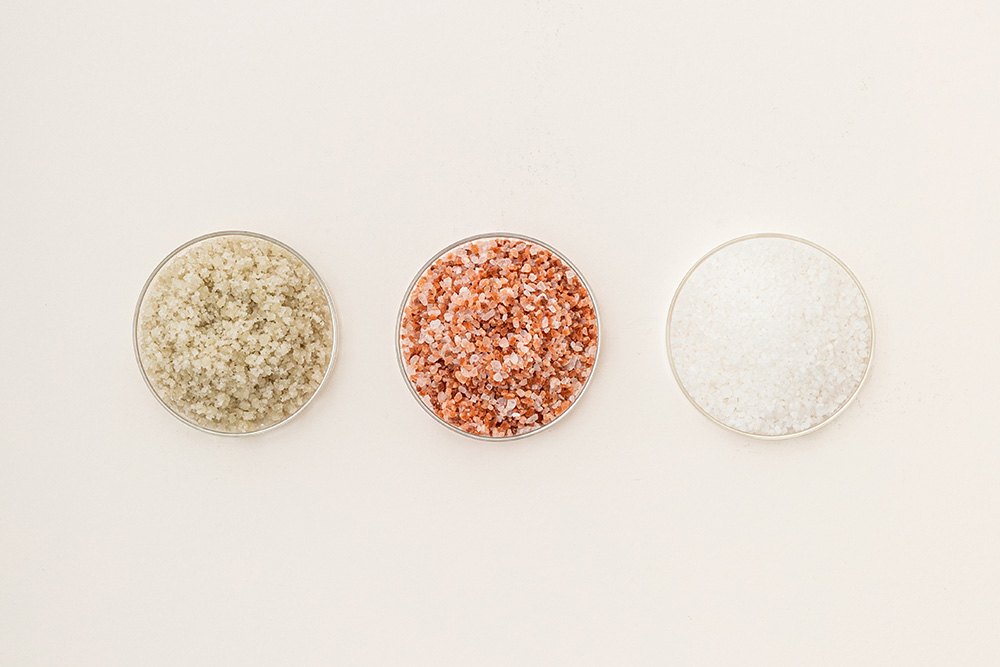
Salt is an essential element for human survival and has been a vital part of our diet for centuries. While table salt is the most common form of salt, many other varieties offer unique flavours, mineral contents, and health benefits. In this article, we will...
Understand the functions of B vitamins for your body's health and well-being. Vitamin B is a group of essential nutrients that play vital roles in maintaining overall health and well-being. There are several different types of vitamin B, each with its own functions and benefits....
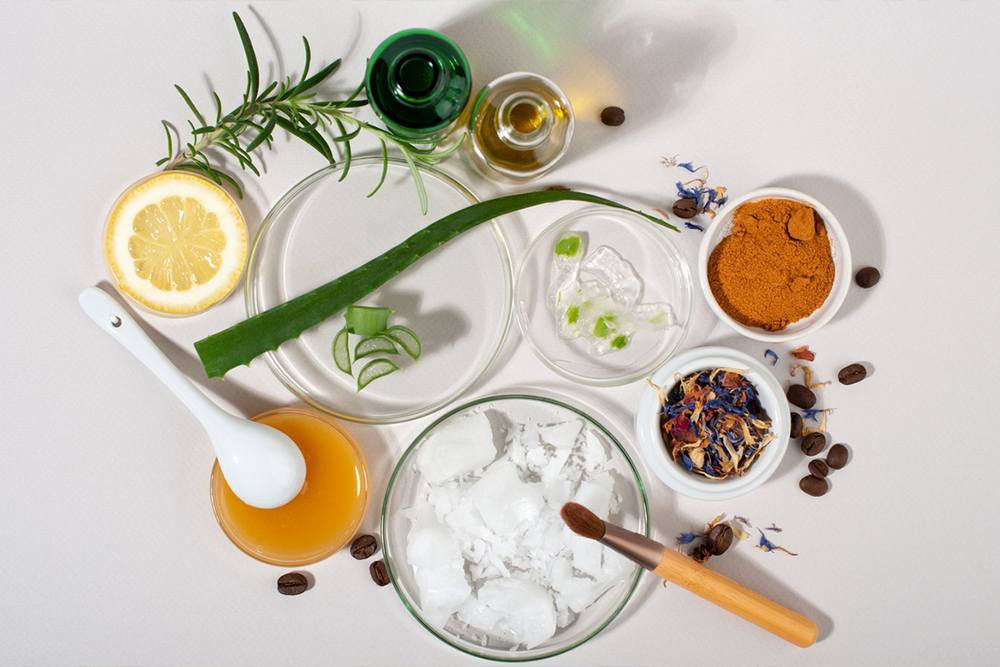
Start your skincare journey and harness nature's power to discover the secrets to healthy, radiant skin. We're spotlighting the newest and most effective natural ingredients in the skincare world. Whether you're looking to reduce signs of ageing, enhance hydration, improve skin texture, or simply promote...

Berberine is a potent natural compound with diverse health benefits, including blood sugar control, cholesterol management, weight loss support, and improved gut health. What is Berberine?Berberine is a bioactive compound found in certain plants and is known for its healing properties. It has been used in traditional medicine...

Support your heart health with supplements and good food. Achieving and maintaining a healthy heart is easier when you embrace our wide selection of natural supplements. Designed to support your cardiovascular system and enhance blood circulation, our products provide the key support your heart needs...

When it comes to looking beautiful, it’s important to prioritise our health and wellbeing. Unfortunately, many traditional makeup products contain hidden dangers in the form of chemicals called endocrine disruptors. These chemicals can mess with our hormones and harm our overall health. However, by switching...

Beauty That Grows With You There’s something deeply special about the way a woman’s beauty evolves. It’s in the lines etched by laughter, the softness earned by experience, and the quiet confidence that only comes with time. This Women’s Month, we’re leaning into that joy, celebrating...

Ayurveda, the ancient Indian system of medicine, offers a holistic approach to health and wellness. With its profound understanding of the unique needs of women, Ayurveda provides valuable insights and practices to support your well-being. Let's explore the essence of Ayurvedic care for women, empowering...

Why We’re Focusing on Women’s Hormones Hormones run the show behind the scenes for all of us. They influence everything from energy to mood, appetite to sleep. But men’s and women’s hormonal patterns work quite differently, Hormones are often more stable in men, while women experience...

As teenagers navigate the transitional phase of adolescence, they often encounter a range of skin concerns that can negatively impact their self-confidence and overall well-being. Teen skin is unique, undergoing significant changes due to hormonal shifts and other factors. To maintain healthy and vibrant skin,...

Packing a nutritious and wholesome lunchbox is essential for maintaining energy levels and supporting optimal growth and development, especially for children. At Faithful to Nature, we believe in providing you and your family with food that is free from harmful additives and nasties, to ensure...
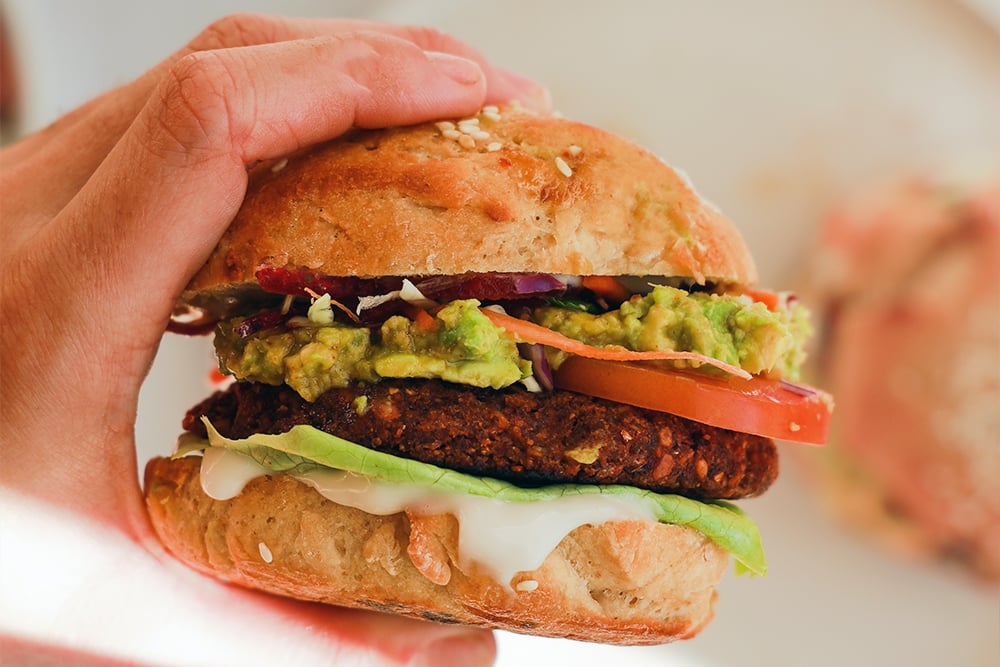
Introducing this mouthwatering gluten-free and vegan burger created by Georgia Roux (A Bite of Vegan). With this easy-to-follow recipe, you can craft your very own gluten-free burger buns, prepare delectable vegan burger patties, and add all your favourite delicious fillings. Get ready to experience a...

Feeding toddlers can be a challenging task, especially when they are picky eaters. It's common for young children to reject certain foods, which can lead to nutritional deficiencies. However, there are ways to ensure that picky eaters receive the vital nutrients they need to support...

As parents, we strive to provide the best possible start in life for our children, and one crucial aspect of their overall well-being is their gut health. A healthy gut microbiome is not only essential for digestion but also plays a vital role in the...

As a parent, you want nothing but the best for your little one, especially when it comes to caring for their delicate skin. The skin of a baby is not fully developed and is more sensitive than an adult's skin, which means it needs extra...
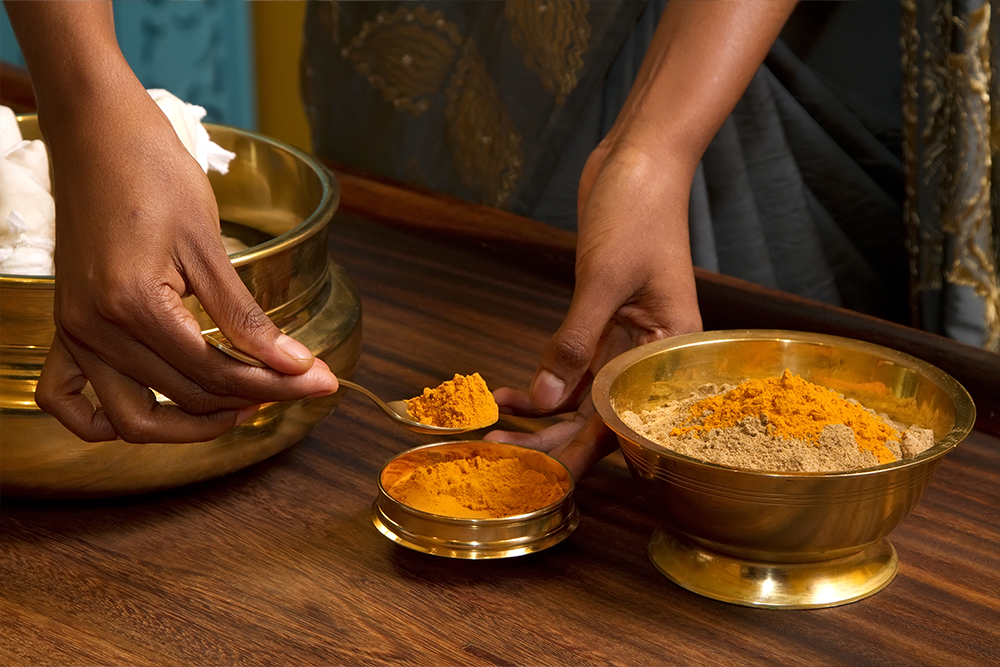
In the pursuit of optimal well-being, Ayurveda, the ancient Indian system of medicine, offers a holistic approach that encompasses various aspects of our lives. One such aspect is Ayurvedic cooking, which goes beyond mere sustenance and aims to balance the doshas, the three fundamental energies...

As the chill of winter sets in, it can bring out significant changes in our skin. The drop in temperature, low humidity levels, and exposure to harsh elements can leave our skin feeling dry, flaky, and irritated. To combat these winter skin woes, understanding the...

In the pursuit of a healthy lifestyle, supporting our immune system naturally can play a crucial role. A robust immune system helps defend our bodies against illnesses and promotes overall well-being. While there are no magical shortcuts to instant immunity, adopting natural immune support strategies...

Ayurveda is a natural system of medicine & holistic wellness that originated in India over 3,000 years ago and is considered a legitimate form of medical care in that region, on par with conventional Western medicine, with practitioners requiring state-recognised training. The word Ayurveda means...

For a lot of us, ageing and our lifespans are preconceived notions but have you ever considered the comparison of lifespan vs health span? While your lifespan is the total period for which you live, it's your health span that has far more impact on...

There's nothing worse than a bad night's sleep and the knock-on effects are far-reaching, impacting your mood, energy levels, focus and more. The 3 S's of better sleep - Supplements, Schedule & Sex - promote deeper, restorative sleeping patterns naturally by supporting your system with...

Caring for your yoni is a crucial aspect of maintaining not only your physical health but also your emotional well-being. It goes beyond just keeping things clean; it's about exploring yourself and understanding what feels good for you. By taking the time to care for...
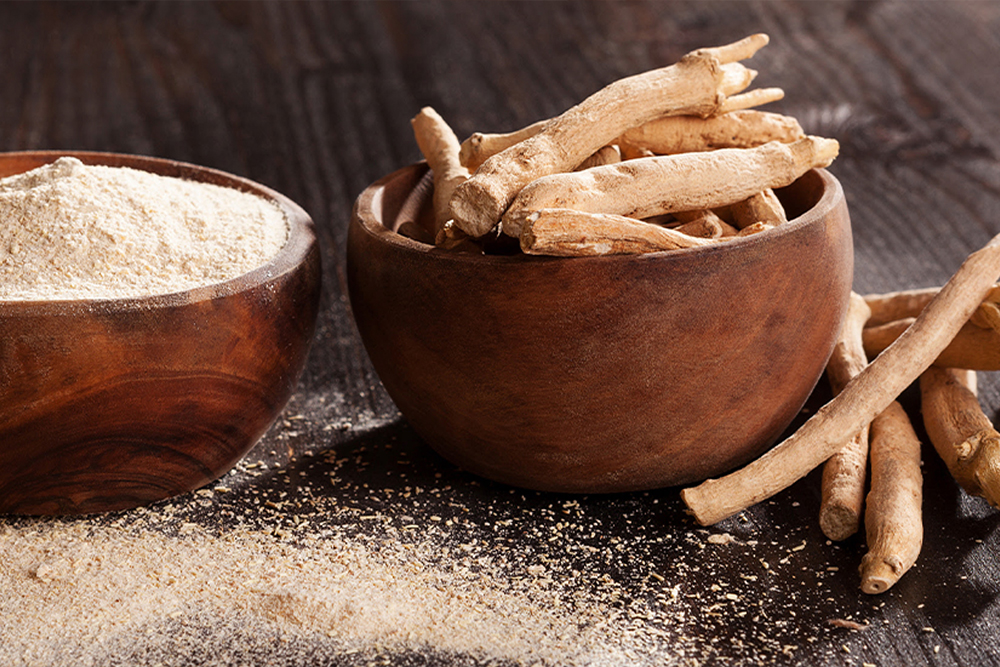
Herbal supplements have been valued for centuries for their ability to support overall health and well-being, providing a natural and holistic approach to wellness. With an increasing interest in natural remedies, herbal supplements have become more popular than ever. To help you discover the best options,...
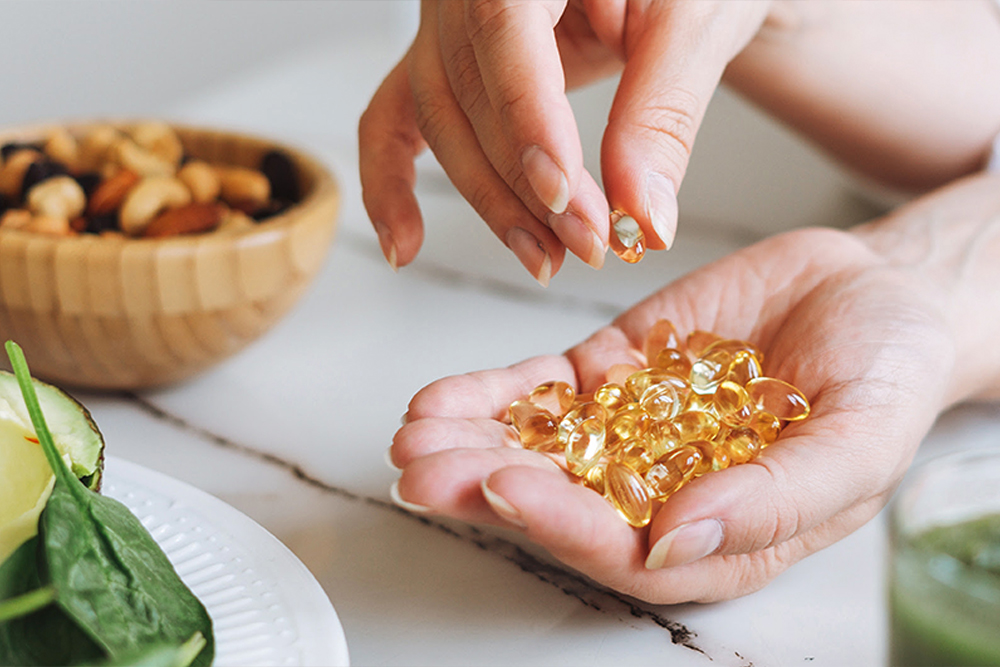
Omega-3 fatty acids are vital for overall health and well-being. They play a crucial role in brain function, eye health, immune system support, heart health, and mood regulation. You can get omega-3s from seafood and fish-derived supplements, as well as plant-based food sources like flaxseeds, chia seeds, walnuts, and algae-based...
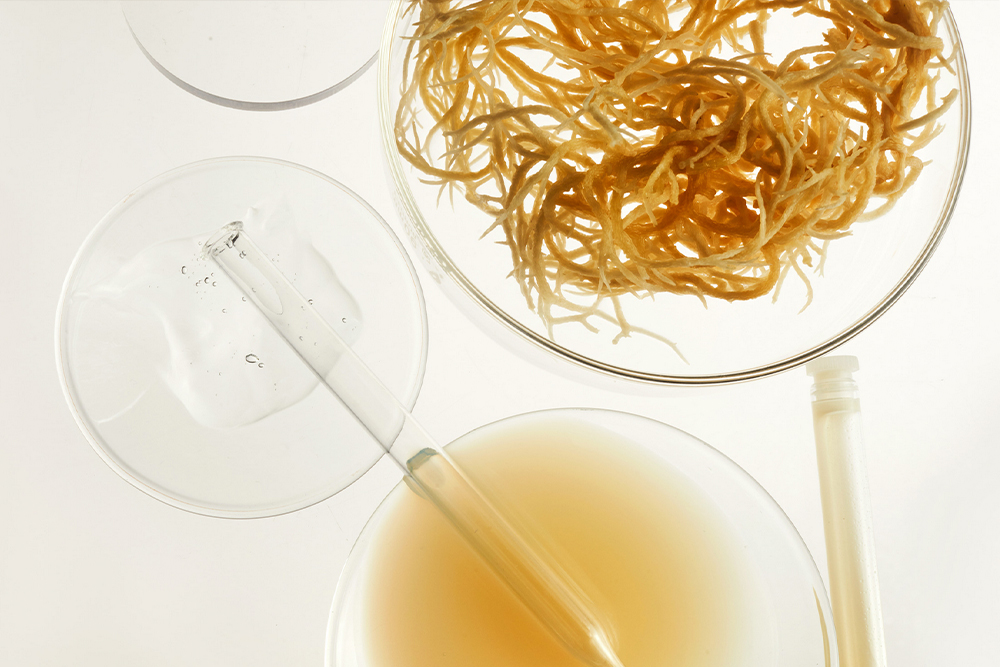
What is sea moss? If you're in any way involved in the online health world, you would have heard about sea moss by now. This miracle supplement has been trending on TikTok for its many health benefits, from improving skin to helping with gut health. We decided to...
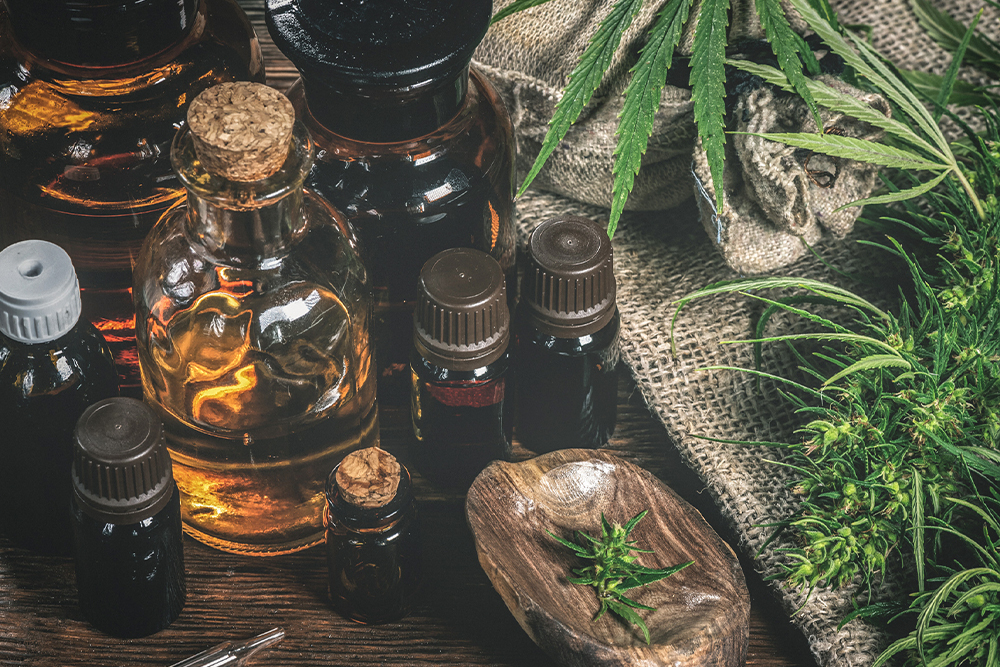
CBD has become an extremely trendy ingredient - and with good reason! This potent plant medicine has been shown to be effective against stress, anxiety, pain and more. But a lot of people are still reticent about trying products with an ingredient that is unfairly...

Sleep is one of the most important aspects of your life, yet how often are you working to improve it? It's time to take charge of your sleep health and work towards getting better rest! Low energy, fatigue, grogginess, and afternoon slumps are all signs that...
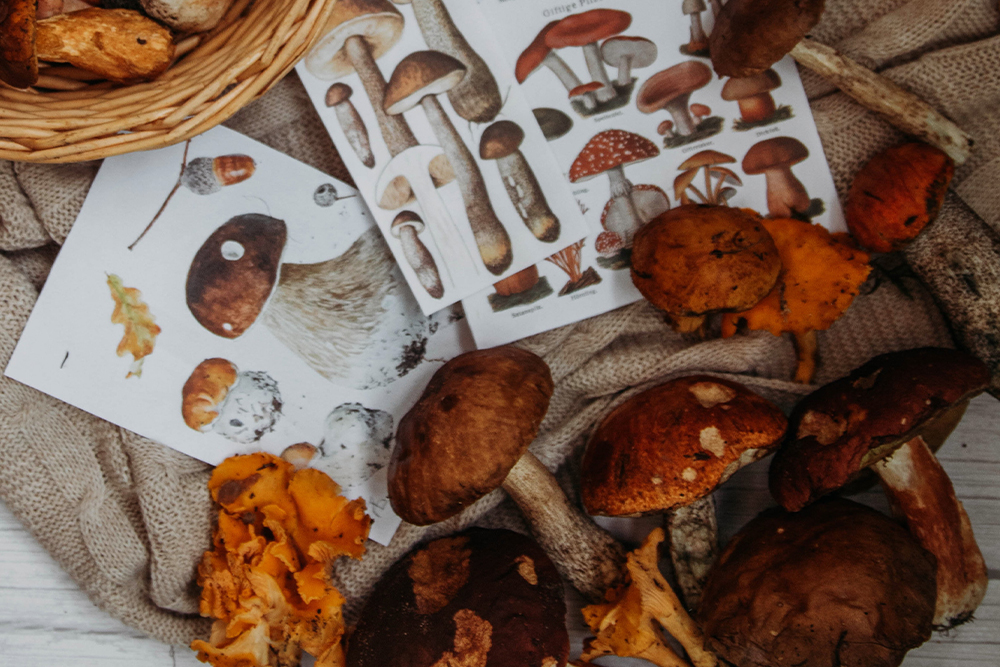
From improved cognitive function and reduced fatigue to better exercise performance and recovery, the benefits of mushrooms are endless. Mushrooms have recently gained popularity due to their incredible health benefits. Different types of mushrooms have unique beneficial properties and choosing a mushroom blend that combines several...
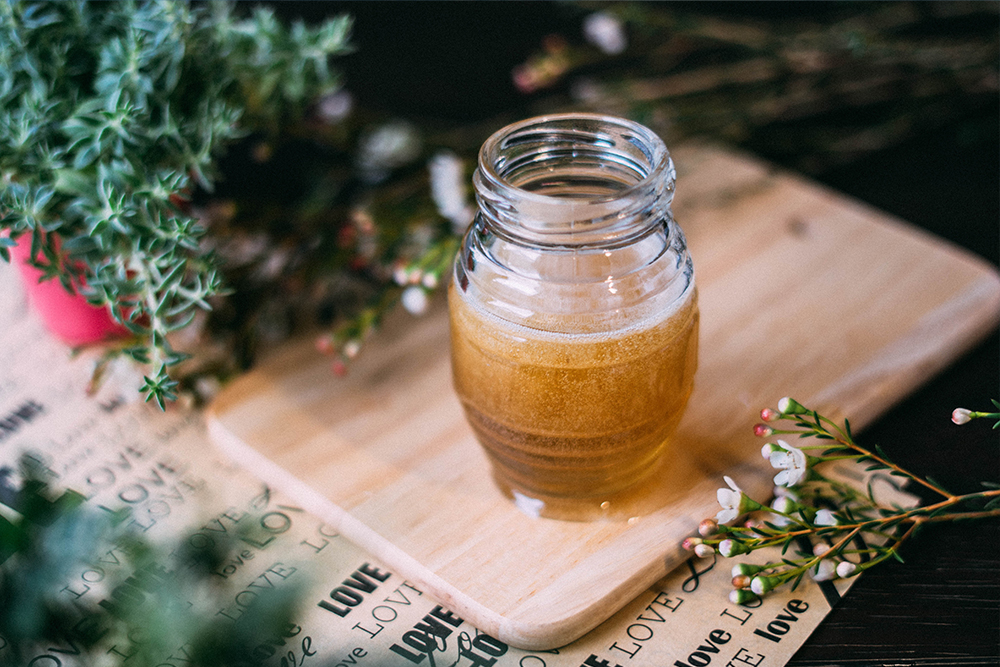
Taking care of your body doesn't have to be complicated. Sometimes, all it takes is simple, natural ingredients! Sweet and golden, honey is a natural ingredient that has been used for centuries for its many benefits, including working wonders on your skin. Four ways honey heals...

Mother's Day is a wonderful occasion to show appreciation for the maternal figure in your life, whether it's your mom, grandmother, aunt, teacher, friend, or mentor. However, as we celebrate the love and care of these amazing humans, let's not forget that we also have...
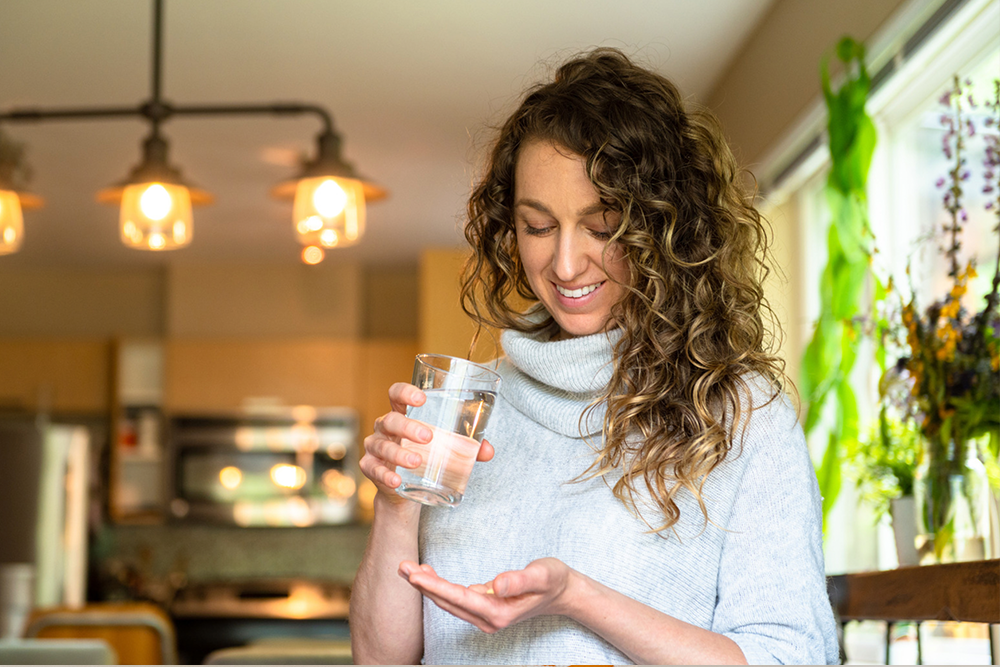
We're all aware of supplements' crucial role in our health, but with so many options available, deciding which ones to take can feel daunting. That's why we're here to introduce you to the Big 5 Supplements - a must-have daily regimen for everyone. These five...

What's the difference? Prebiotics are a type of fibre that cannot be digested by the human body but serve as food for the beneficial bacteria in our gut. They essentially act as a fertilizer for the good bacteria, allowing them to grow and thrive. On the other...

Earth Month is a great time to reflect on our relationship with the planet we call home. Every year, we're reminded of the importance of taking care of our environment, and one of the best ways we can do this is by choosing to live...
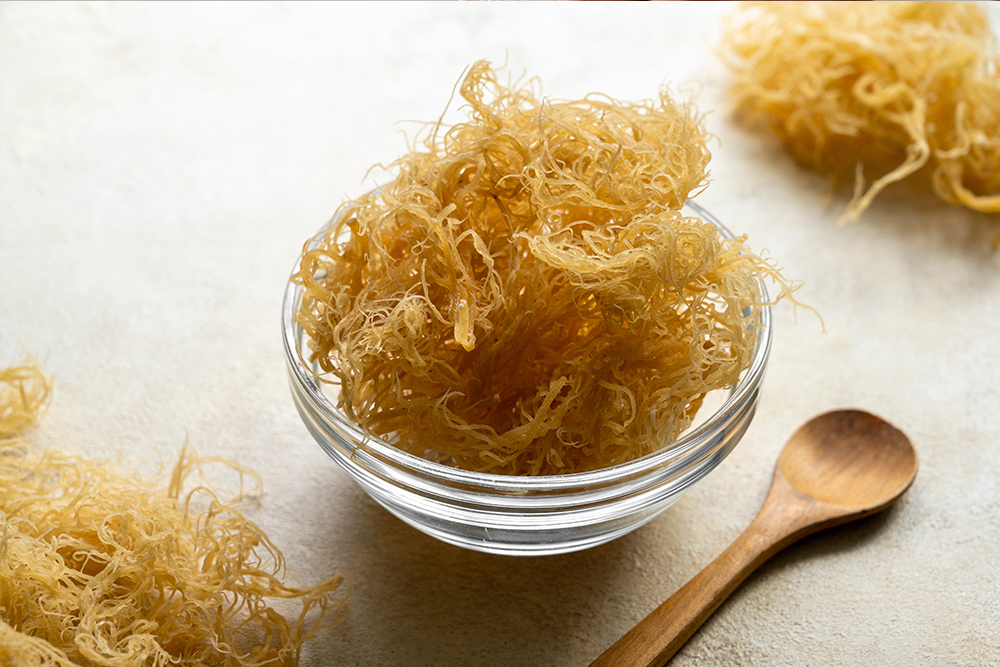
Most of us in the world of wellbeing have heard about sea moss – there has been nothing short of a buzz in recent years regarding the nutrient density this phenomenal marine vegetable offers. Also known as Irish Moss, this medicine is a collection of different kinds of seaweeds...

BET YOU DIDN’T KNOW THIS … There are 10x more bacteria in your body than there are human cells. That means you’re more bacteria than human cells! The gut has a major impact on your overall well-being and improves digestive issues, mood disorders, weight problems and the immune system! Over 70% of...
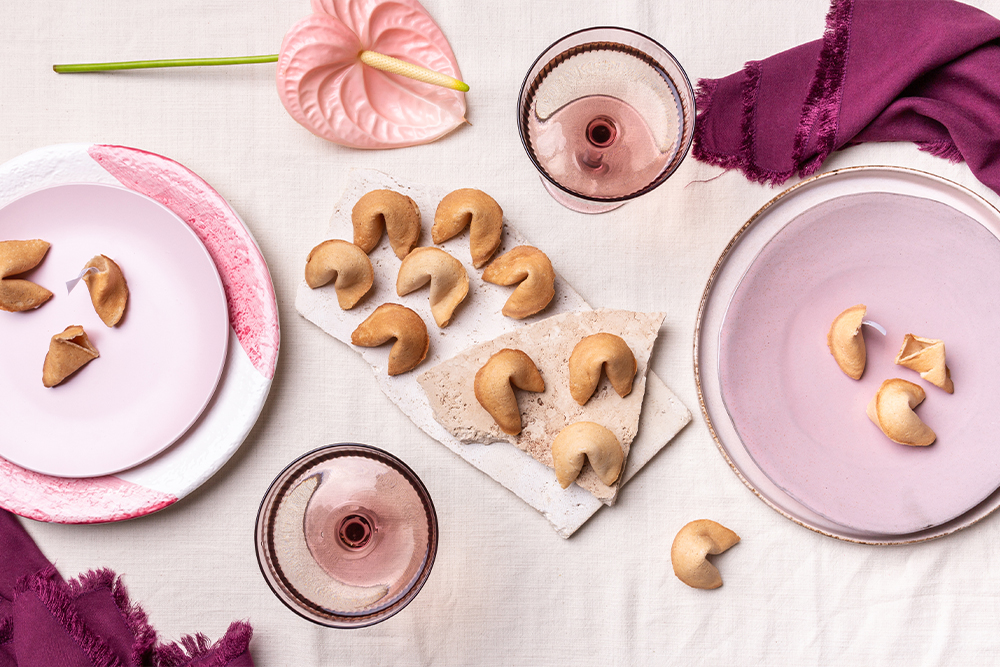
This month of love, let's take a moment to appreciate the simple things in life and the special bond we share with our loved ones. What better way to do that than by coming together to create a delicious homemade treat? Our fortune cookie recipe...
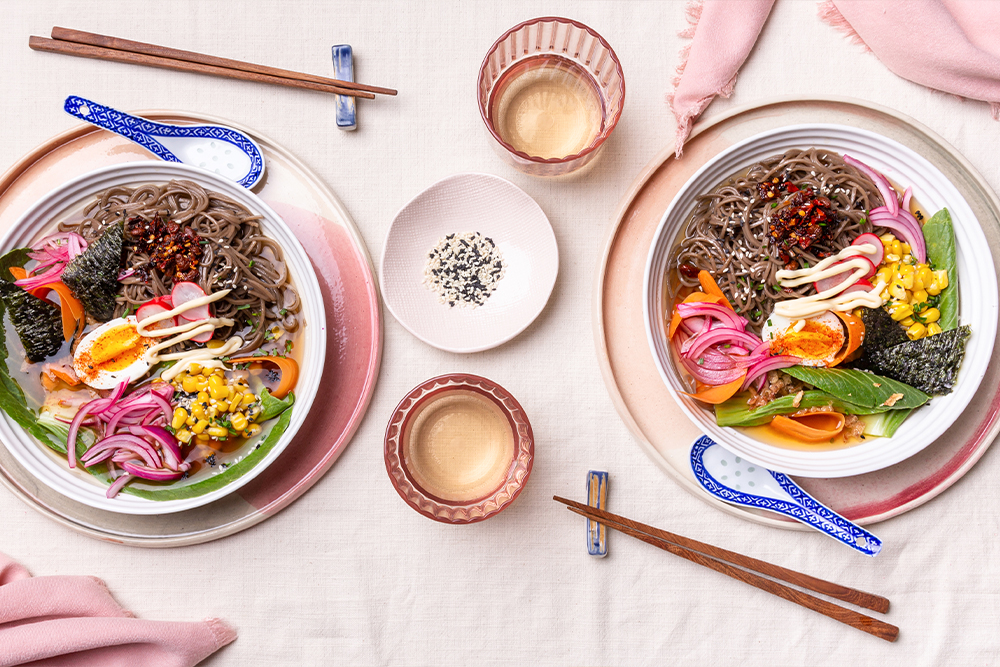
What better way to show your loved one how much you care than by preparing a wholesome and delicious meal together? Our special ramen recipe is not only comforting and satisfying, but it also caters to all dietary preferences with a delicious vegan option included....
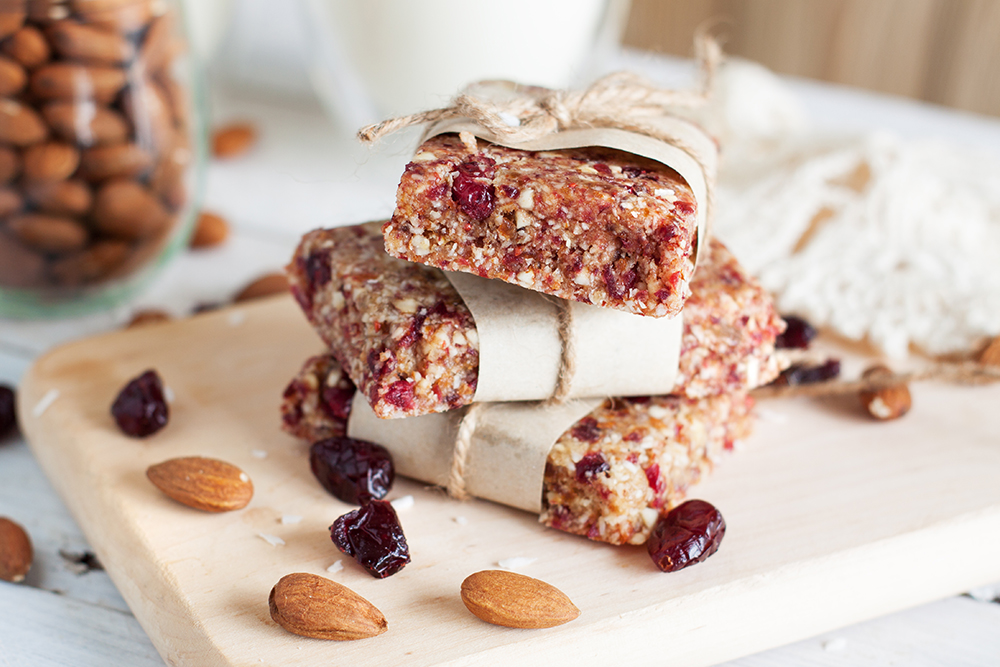
The immune system The immune system is there to combat and protect us from invading pathogens and viruses. It supports our fullest potential of well-being. So, we need to support our immune system in any way that we can in its job of supporting us. To do this...

Did you know that 90% of South Africa's waste is in landfills yearly? And, at the rate we're going, we'll soon run out of landfill space. 22 of the 25 landfills in the Western Cape, for example, have less than 5 years of airspace left. SO, WHAT...

The RADIANCE face oil This face oil has all the ingredients you need for plump, healthy skin. Ingredients and their benefit to your skin: Schisandra: Antioxidant richHas Vit C & EPromotes collagen production and skin elasticity Helps with acne and blemishesProtects against UVB skin damage Has anti-inflammatory and anti-ageing properties Moringa: Anti-bacteriaPrevents breakouts,Removes...

Mental health is a subject which has become increasingly focused on and de-stigmatised over generations – but for many of us it is still a triggering and somewhat unfamiliar concept. We are incredible creatures – we can feel, connect, remember and learn from experience. However, this...

Happiness is described in scientific literature as the "presence of positive emotions and the absence of negative emotions" (Ryan & Deci, 2001). In a more broad context - well-being is thought to be made of hedonic and eudaimonic principles – these describe our sense of...
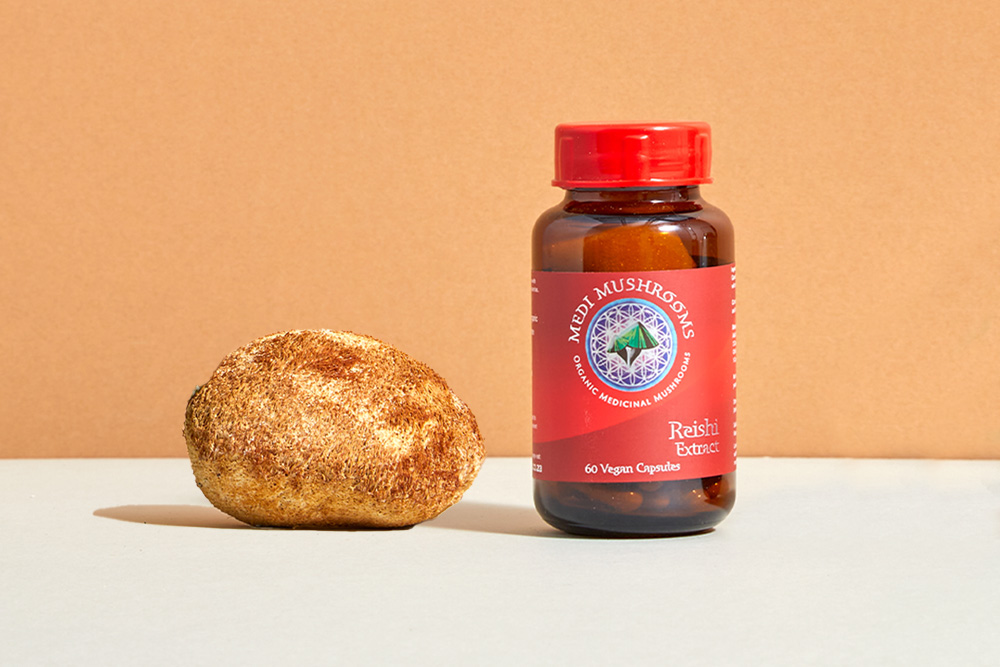
Reishi is an incredibly versatile fungi that has been a staple in Eastern medicine for thousands of years. However, its rarity meant it was limited to those who could afford its hefty price tag, namely Chinese royalty. Luckily for us, reishi has become more accessible...

Wondering which skin type you have? Or would you like to know which Dr. Hauschka products would best suit your skin? Well today you are in luck, as we explore Dr. Hauschka's easy-to-use self-help personalised day and night care skin care regimes guide that is carefully...

“It is not always possible to do away with negative thinking, but with persistence and practice, one can gain mastery over them so that they do not take the upper hand.”- Stephen Richards. Learning how to let negative thoughts pass through your mind without sticking around...

Author: Simon Quill It was about a decade ago that Wim Hof, also known as "The Iceman", first introduced his breathing techniques to a global audience. He claimed you could accomplish incredible feats by developing command over your body through your breathing. The results seemed to...
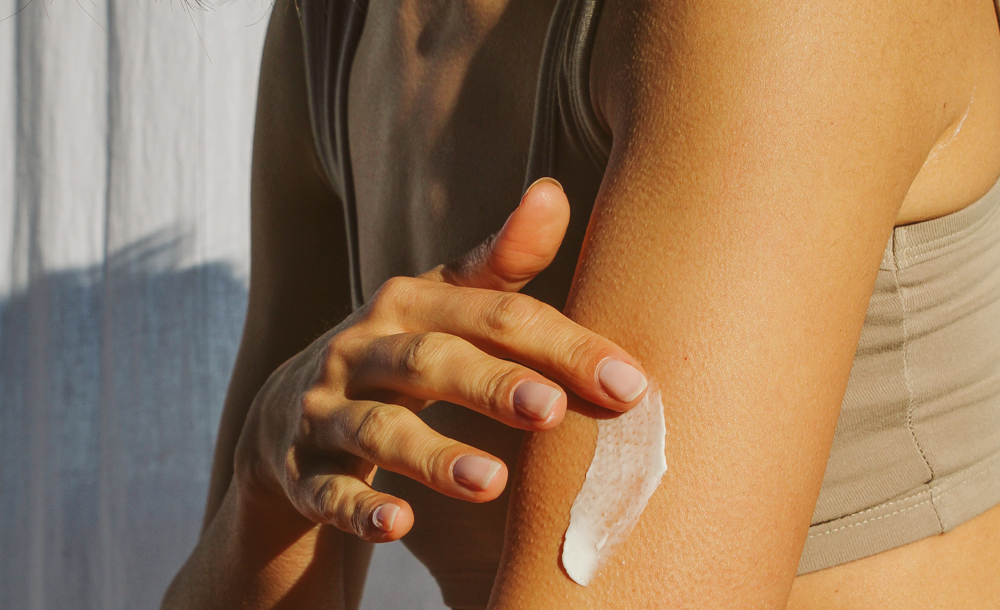
Our skin is always changing - so our needs should too, with the season. We caught up with expert dermatologist, Dr Vanessa from TASH360 to find out what products you need for your skincare routine this summer. 1. Sunscreen. Sunshine can feel soooo good but can cause...
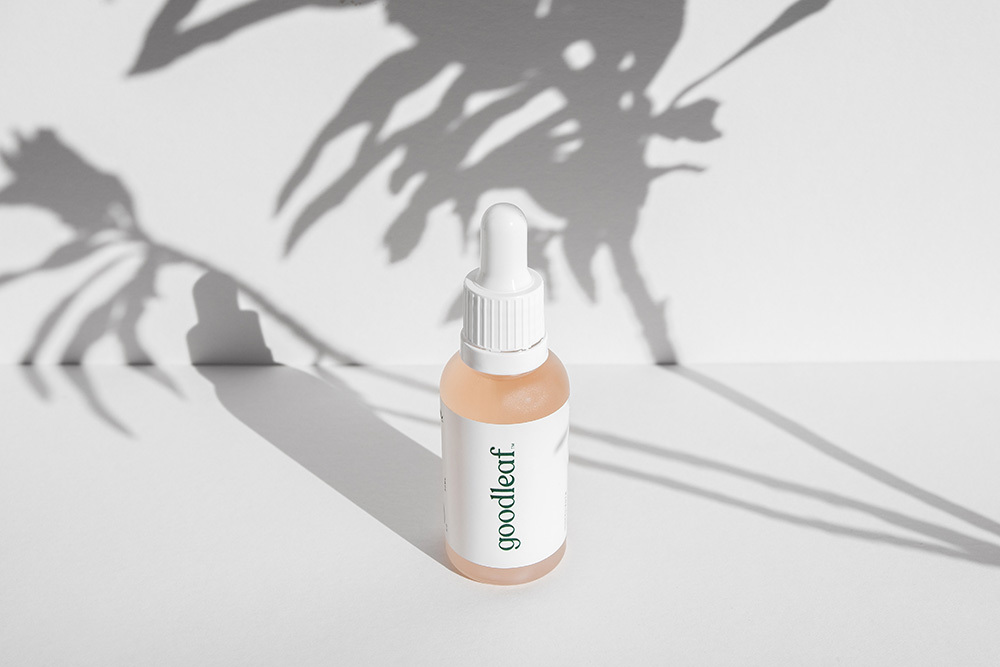
CBD (or cannabidiol) has been a health mega-trend on and off over the last few years – but there is still more to learn about how to choose the CBD for your lifestyle. By having a better understanding of hemp products, you can make better...
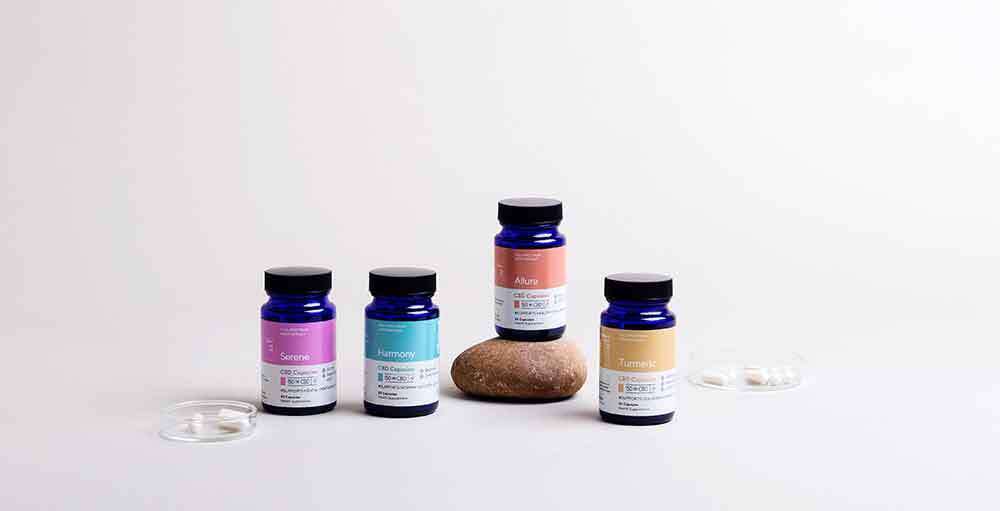
What’s your biggest barrier to getting into the use of CBD? To be able to reap the (almost) infinite benefits from this natural, incredible substance? At Faithful to Nature we have found that a gap of education has revealed itself as the biggest deterrent in...
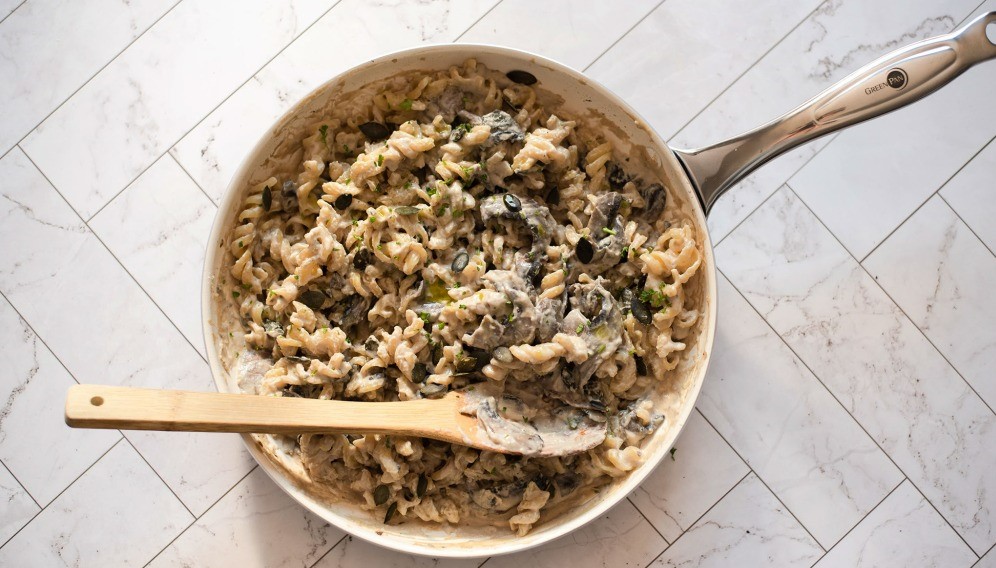
This rich creamy pasta made with the Faithful to Nature pantry range by Vernon & Simóne (@the_leaf_eaters) has got us coming back for seconds! Nothing says Familia like a good Italian pasta with great company. Buon Appetito! Watch their step-by-step here. Ingredients: 1 tbsp olive oil2 cloves of...
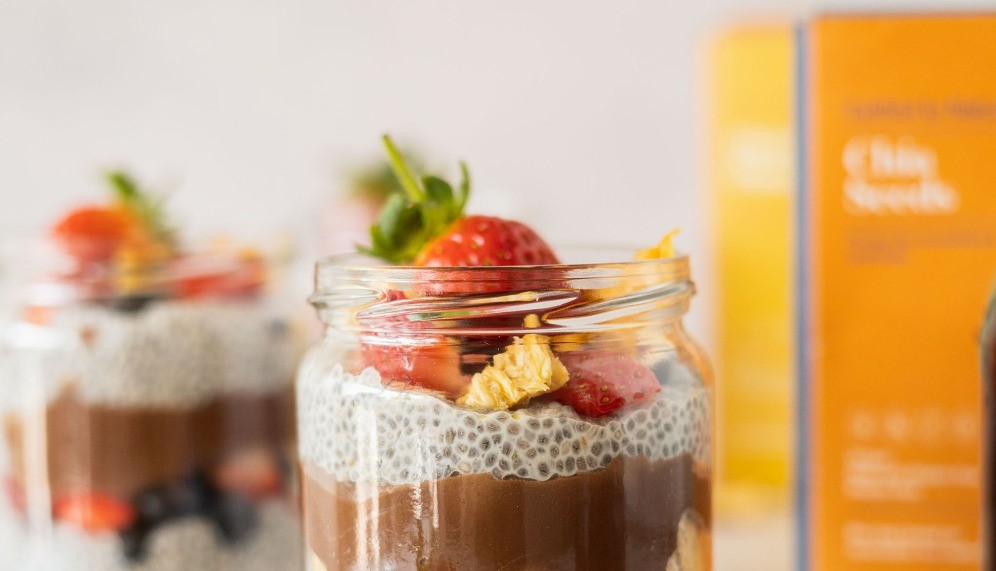
Have you stocked up on our new Faithful to Nature pantry range and needing some recipe inspiration? We've got you covered with this mouth watering chia pudding by Jason Tomlinsonn perfect for that dinner party, Friday night girls night in or something to grab when...
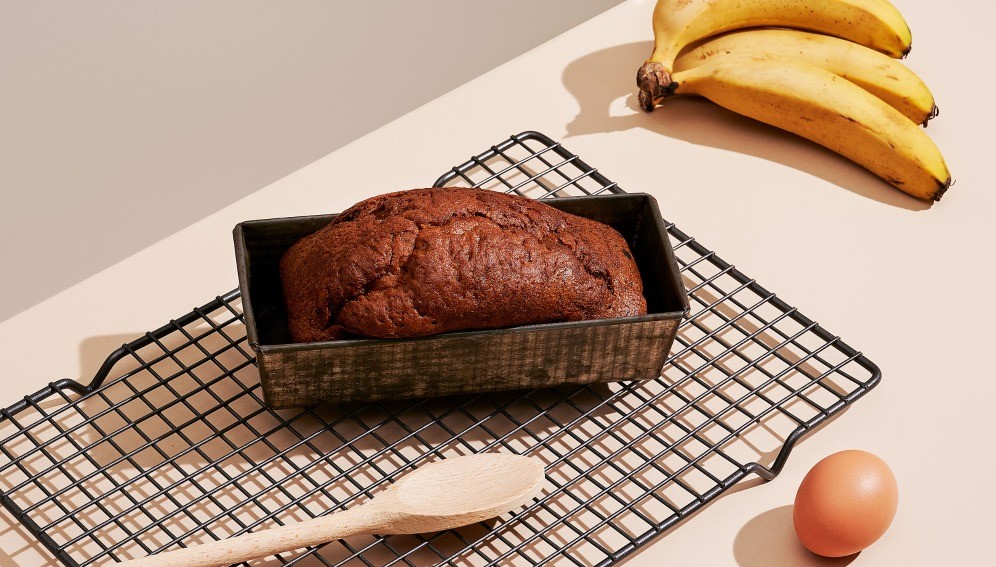
For a truly beautiful "blender" banana bread you can serve to all your loved ones and show off on social, try this superstar recipe with healthier alternatives (it's gluten free!). Easy, tasty and good lookin' - that ticks all our boxes. Recipe adapted from: Mangolux INGREDIENTS: 4...
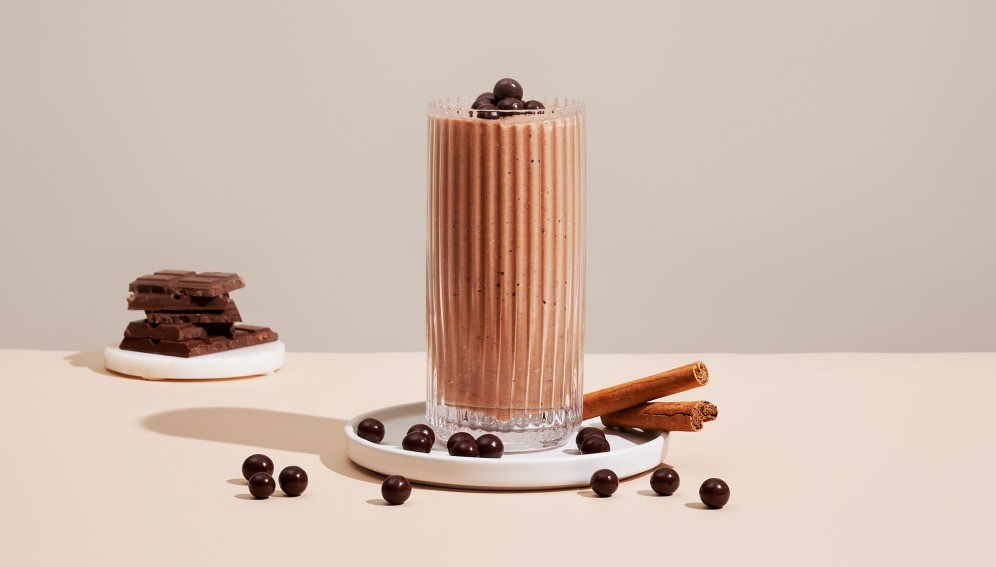
Got a sweet tooth with conscious values? We’ve found your sweet middleground right here - at the bottom of a chocolate almond milk smoothie glass. Try it, ASAP! Recipe adapted from: Monica, Nourish and Fete INGREDIENTS: 1 Banana½ cup Almond Milk1 tbsp Unsweetened Cocoa Powder¼ tsp FtN...
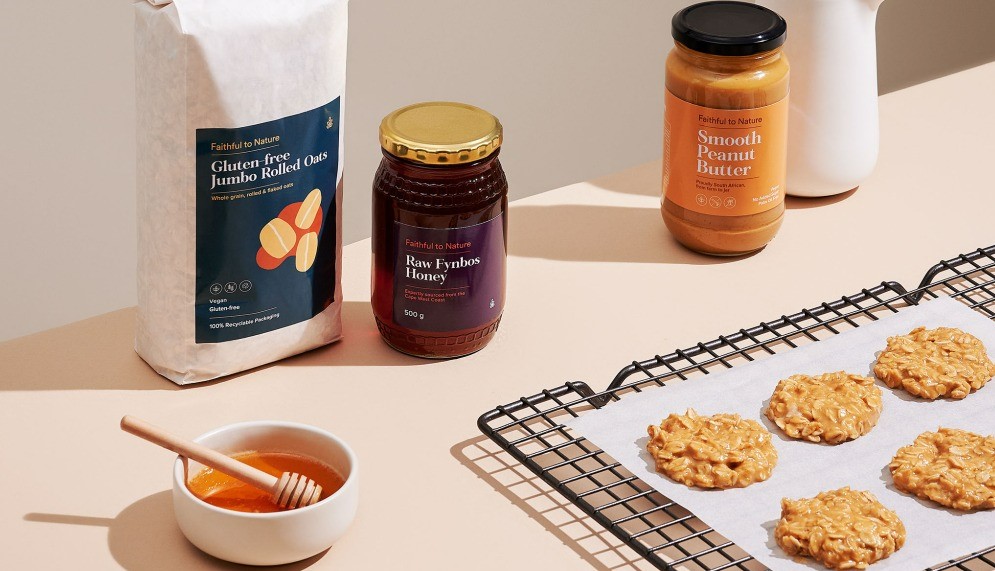
Sometimes the cookie you’re looking for doesn’t need oven time. Get familiar with these oh-so-oaty, nutty no bake cookies you can make in a dash and enjoy in no time. Recipe adapted from: Demeter, Beaming Baker INGREDIENTS: 1 cup natural, unsalted creamy peanut butter¼ cup honey1 ½ cups...
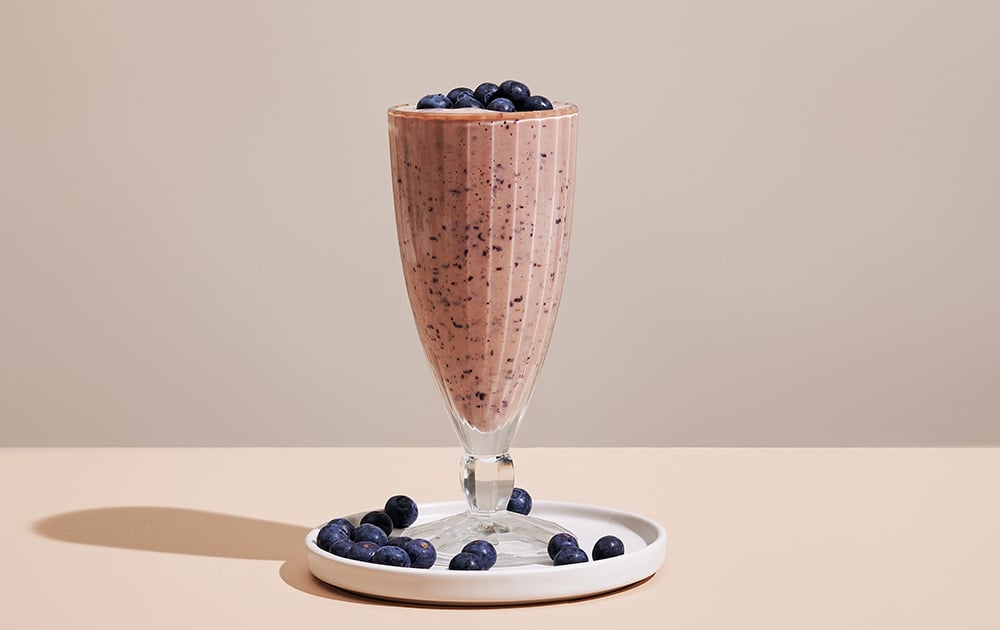
Looking for a fast on-the-go plant-based smoothie to sate your blueberry dreams? Here’s a three-step, simple recipe for a smoothie you’ll love from here on out. Thank us later. Recipe adapted from AJ & Mirlene, Savory Thoughts INGREDIENTS: 1 Banana⅓ cup coconut yoghurt2 Cups blueberries (can be...
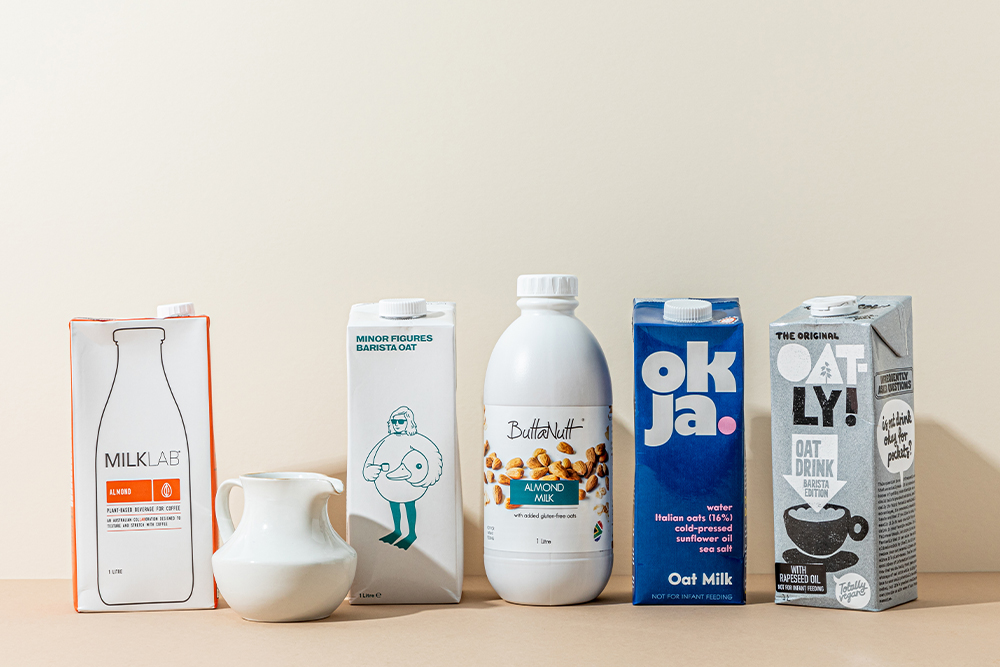
There are plenty of non-dairy milks out there. So many, in fact, that it can be hard to know which one is best. One thing is clear though: all milk alternatives are better for the planet than the udder one. A 2018 study by researchers at the University of Oxford...
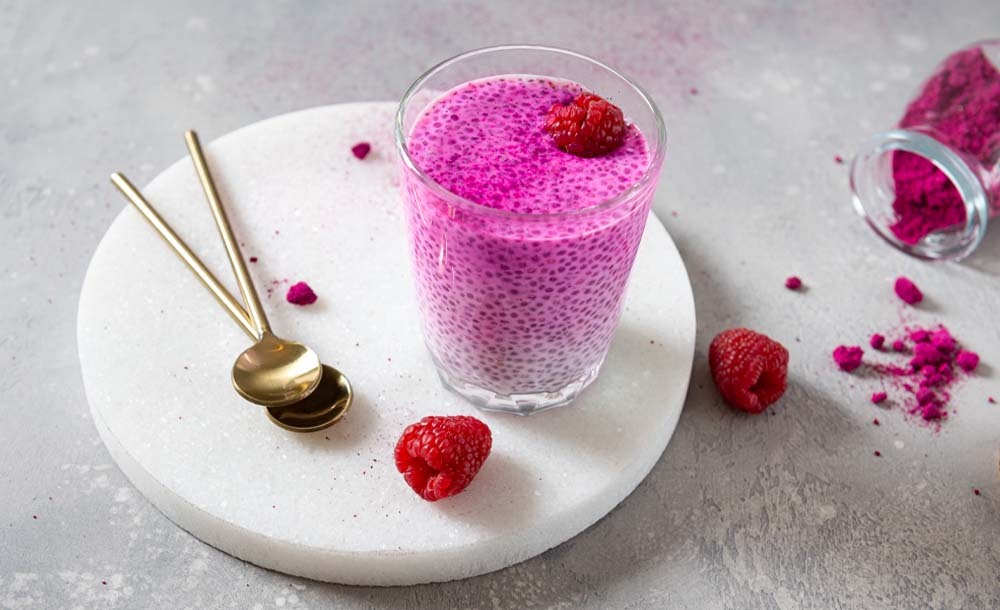
For women, the best way to optimise their health is to move, eat, sleep and supplement in ways to support (or consider) each phase of their infradian rhythm - since it is a vital biorhythm that governs not only many of our behavioural patterns, but...

Self-help guru Dain Heer gives a few key answers to some of the more difficult questions to answer in a romantic relationship; Where do I start? How do I know this is the right relationship? Am I just repeating learned behaviour? How do I repair...

When it comes down to it, life is busy. Between working, running a household, and trying to make sure you get enough rest to feel like you’re living a balanced life, many people eat on the go or make unhealthy lifestyle choices. Unfortunately, these kinds...
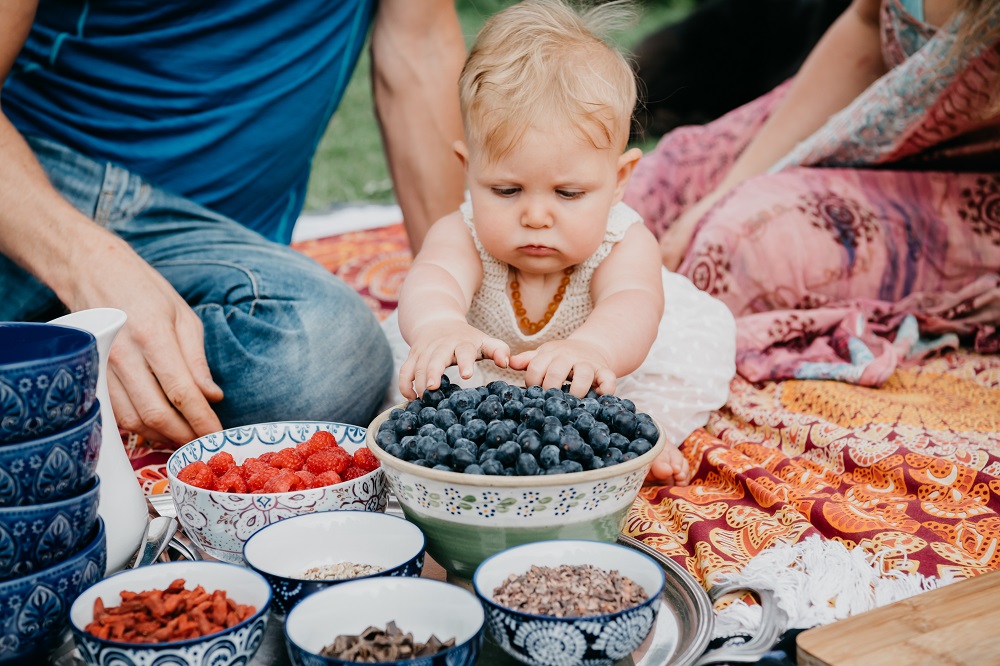
Motherhood is a beautiful, powerful journey - but it’s no walk in the park. From pregnancy to postpartum and long-term breastfeeding, your body works overtime to grow, nourish, and sustain life. The demands on your energy, hormones, and overall wellbeing are real, and they require...
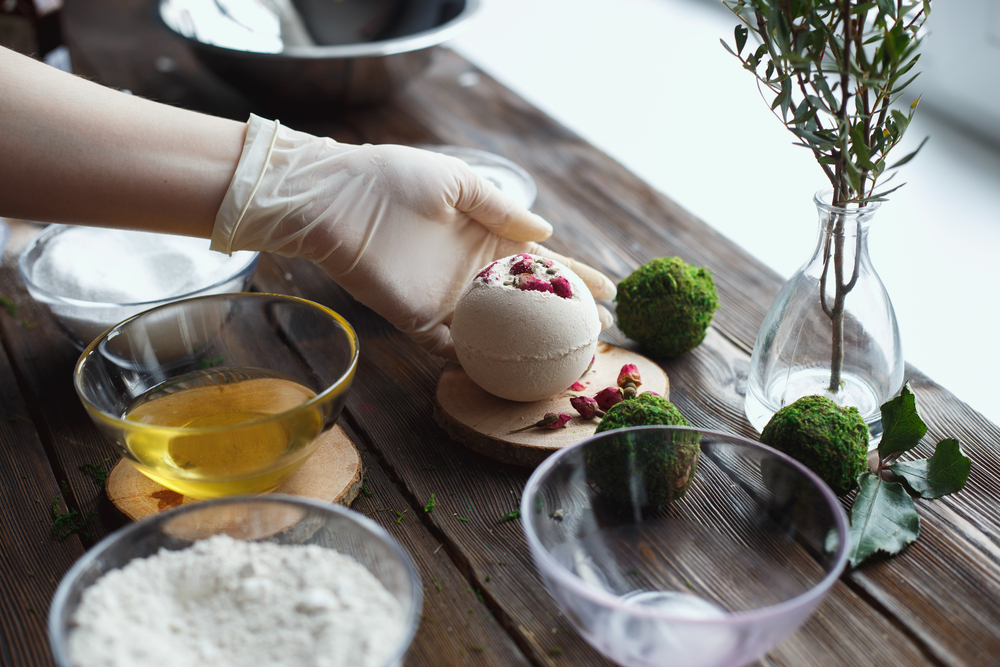
DIY Mother’s Day gifts are a meaningful way to show your love and appreciation with something personal and thoughtful. Mothers are truly amazing, and while no gift can fully capture our gratitude, creating something by hand is a beautiful way to get close. This Mother’s...
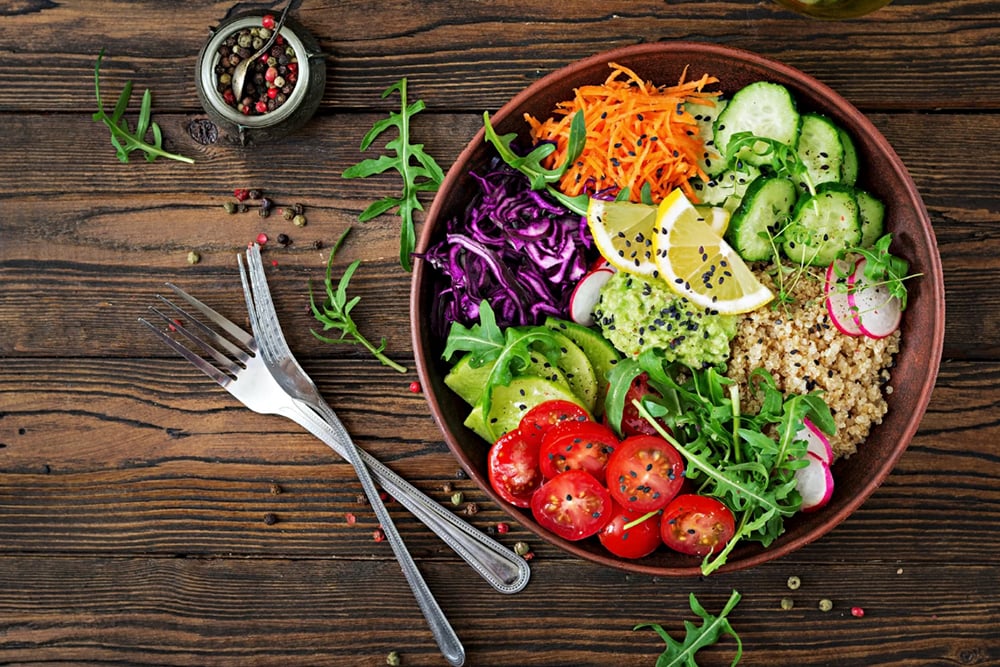
Inflammation has been getting a lot of buzz in the health and wellness world, and for good reason. While it is vital for healing, chronic inflammation can quietly undermine your health over time. The good news? You can help manage it naturally through your daily...

We are so proud of the many amazing South African brands we have available at Faithful to Nature. Each and every local company contributes towards the prosperity of our beautiful rainbow nation. Some have an extra special heart for social caring and upliftment. Here are...

While we may be burning the greenie candle at both ends, blending up organic smoothies, stocking up on superfoods, filtering our water, and being mindful with our non-toxic detergents, there are other sources of toxins that are hiding in plain sight in our everyday lives....
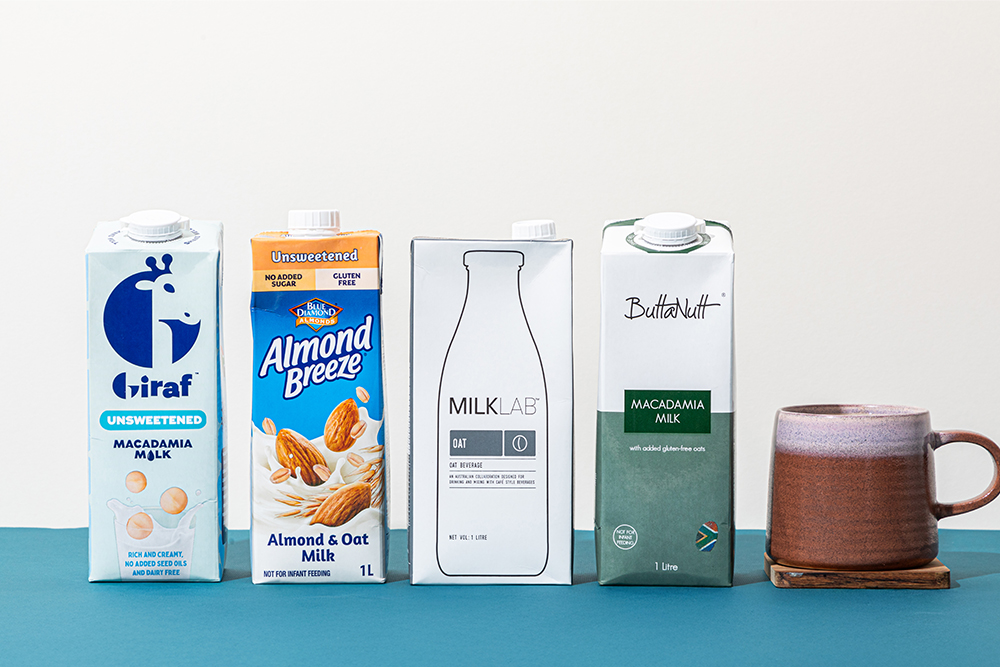
Did you know that around 65% of people worldwide have some level of difficulty digesting lactose, the natural sugar found in cow’s milk? This is often due to lower levels of the enzyme lactase, which helps break lactose down in the gut. When lactose isn’t...
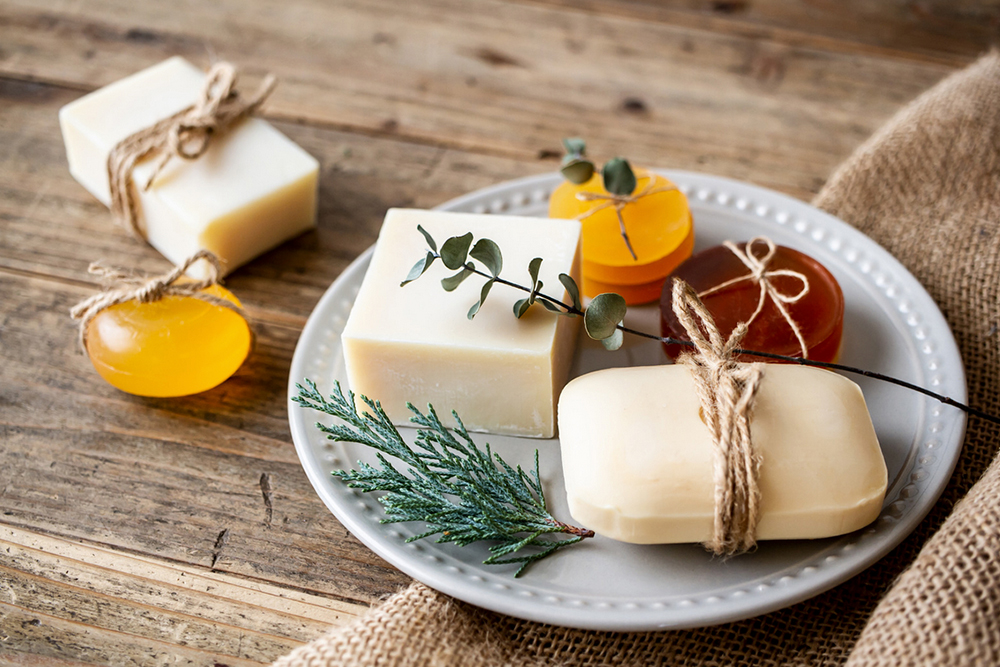
What if we told you that you could clean your home beautifully, from top to bottom, using little more than pure olive oil? You might think it's reserved for use as a healthy cooking oil or natural moisturiser – but our green cleaning gurus swear...

Protein powder isn't just for bodybuilders anymore. It’s become a popular choice for anyone who wants to gain muscle, manage their weight, or stay fuller for longer. Whether you're looking to support muscle recovery after a workout or simply want to increase your daily protein...
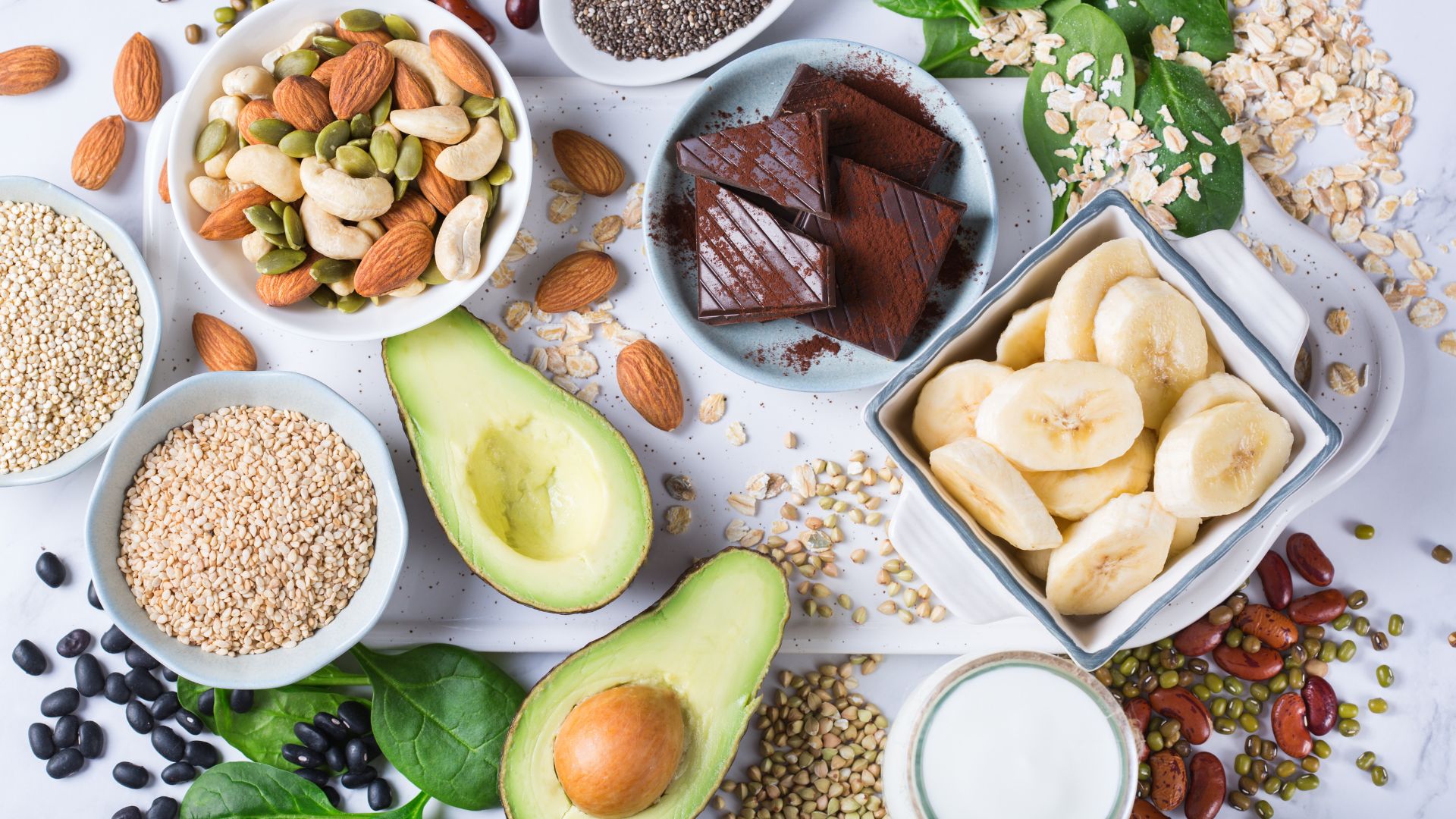
Not all magnesium supplements are the same. The type of magnesium matters as much as the dose, and choosing the wrong one means you might not absorb much of it at all. Here's a simple guide to help you find the type that matches what...