


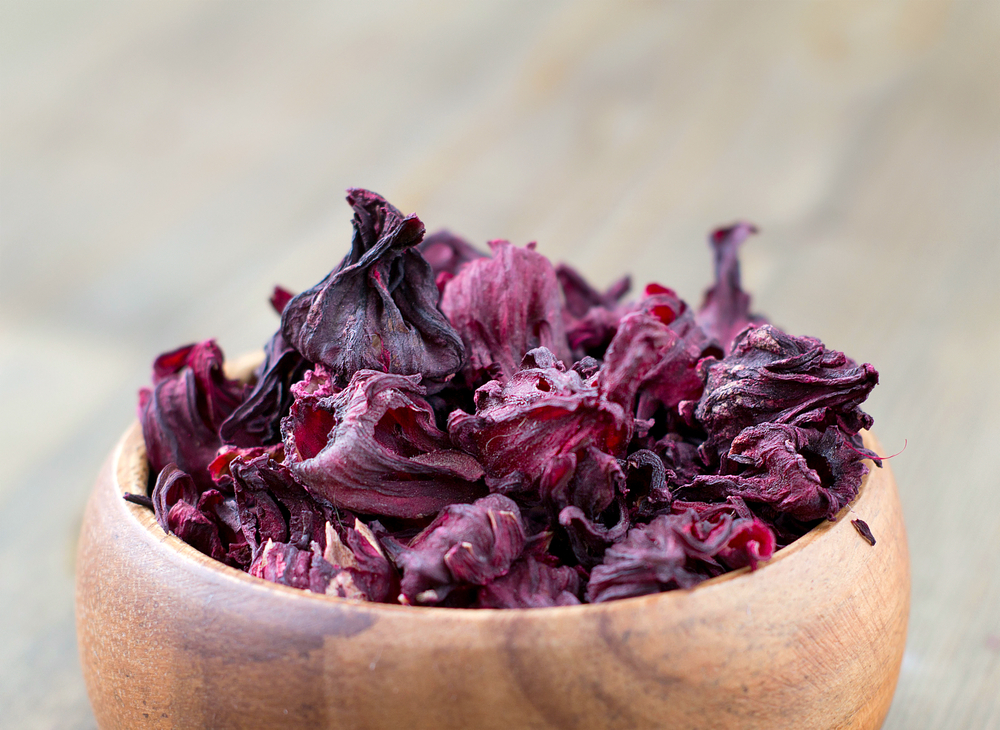
16 Nov 6 Powerful Benefits of Hibiscus Tea
The hibiscus flower might bring to mind a lush, tropical paradise and serene Hawaiian beaches, but the healing hibiscus tea, currently all the rage, is in actual fact not your garden variety hibiscus.
Age-old wisdom about this fragrant, tart beverage is finally receiving scientific acknowledgement, proving the rich healing history of this flower to be true.
Hibiscus tea has quite the reputation for its delicious taste, and while it has been enjoyed in numerous different ways in customs across the globe primarily used to treat high blood pressure, it is the myriad of other powerful healing benefits that have the western world now raising their heads. Why not try it for yourself and experience the benefits of Hibiscus tea:
1. Hibiscus Tea and Blood Pressure
Dietary changes are an effective way to help manage high blood pressure, and the addition of hibiscus tea to your diet is the age-old way to manage those levels. Although it has already been used for this purpose in traditional medicine, studies have also shown that drinking as little as 2 to 3 cups of tea from the Hibiscus sabdariffa flower each day helps to lower BP levels and works as effectively as some anti-hypertensive prescription medications, without the potential side effects.
2. Hibiscus Tea and Antioxidants
The dried calyces of the hibiscus flower used to brew the tea are known to contain high levels of antioxidants essential to our body’s natural daily detox efforts. They also work to prevent disease and fight low-grade chronic inflammation, which research has linked to cancer, heart disease, diabetes, IBS, Crohn’s and so many more chronic diseases and health issues.
Keeping your intake of antioxidants up is a great way to prevent health issues, and hibiscus tea has the bonus of also containing loads of the well-known antioxidant vitamin C. This makes this delicious beverage supportive for your immune system, iron absorption, lowered risk of chronic disease, protection against that pesky common cold, and much, much more.
3. Hibiscus Tea and Diabetes
Not only does fragrant hibiscus brew help to lower high blood pressure which can be a risk for diabetics, it has also been used and researched to improve cholesterol levels. Studies found that regular consumption of herbal hibiscus tea balances your body’s good and bad cholesterol and decrease triglycerides.
It is also a great tasting, aromatic and vibrantly coloured beverage to replace sodas, fruit juice and other sugar and caffeine filled drinks that is but possessing similar calming and mood boosting effects.
4. Hibiscus Tea and Cancer
In a Taiwanese laboratory study, extract from Hibiscus sabdariffa was found to be toxic to cancer cells, and especially effective in killing human gastric carcinoma cells, and has also been shown to kill leukaemia cells in humans. Researchers attribute these amazing actions of hibiscus extract to the potent levels of polyphenol compounds, found in hibiscus flowers, also recognized for their disease prevention, antioxidant and anti-aging properties.
5. Hibiscus Tea and Metabolism
Hibiscus extract has even shown promise in adding metabolic function which is great news for those with metabolic syndrome or anyone looking to lose weight, particularly if you suffer from obesity. Studies have found after just one month with daily doses an impressive improvement in glucose, cholesterol and triglyceride levels as well as insulin resistance. Even more impressive is the decrease it causes in serum free fatty acid, high levels of which are associated with obesity and uncontrolled diabetes.
There is no denying the powerful healing benefits of this incredibly delicious tropical drink, with new studies continually proving the benefits of what the Egyptian Pharaohs enjoyed as a refreshing, healing beverage. As with most potent natural healers, it is not to be enjoyed in large amounts without caution, and should be avoided by pregnant women altogether.
6. Reduces Chronic InflammatioN
A 2025 review published in the National Library of Medicine highlighted the significant anti-inflammatory potential of Hibiscus sabdariffa extract, with applicability across a range of human health conditions. The polyphenols and flavonoids in hibiscus tea inhibit inflammatory pathways at the cellular level — which matters because low-grade chronic inflammation is now understood to underpin a wide range of modern health issues, from gut disorders to cardiovascular disease to autoimmune conditions.
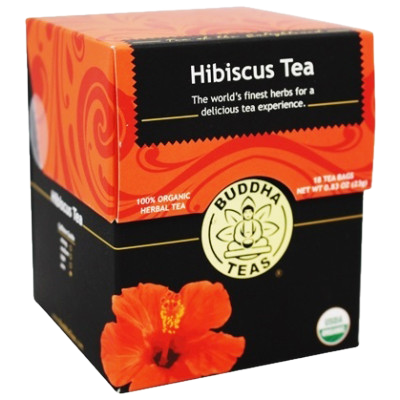
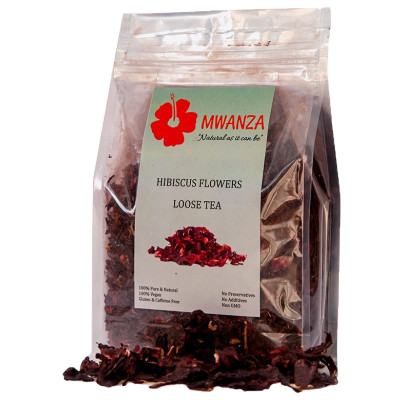
Get your hands on Karkade Hibscus tea in our organic online shop to enjoy the full benefits of this tasty health tonic.
How to Drink Hibiscus Tea
Hibiscus tea is easy to prepare:
● Steep 1–2 teaspoons of dried hibiscus calyces in 240ml of just-boiled water for 5–10 minutes
● Strain and sweeten lightly with honey or enjoy unsweetened
● Can also be cold-brewed overnight in the fridge for a refreshing iced version
● 2–3 cups per day is the dose used in most blood pressure studies
Precautions: Hibiscus tea should be avoided during pregnancy. If you are on blood pressure or diabetes medication, consult your doctor before making it a daily habit. As with all potent natural remedies, more isn’t always better. Stick to 2–3 cups daily.
Learn all there is to know about Hibiscus at Faithful to Nature: South Africa’s most trusted retailer for health, wellness & conscious living
on FtN

Published November 2016
Updated July 2026
Hibiscus tea has a tart, fruity flavour similar to cranberry juice – refreshingly sour with floral undertones. It can be sweetened with honey or paired with ginger and lime.
Yes, for most healthy adults, 2–3 cups per day is safe and aligns with the doses used in clinical studies showing the most benefit. Avoid very high quantities, and steer clear if you are pregnant or taking blood pressure medication without medical guidance.
No — hibiscus tea and rosehip tea are different products. Hibiscus tea is made from the calyces of Hibiscus sabdariffa, while rosehip tea comes from the fruit of the Rosa canina plant. Both are tart and red, and both are high in vitamin C, but they are distinct plants with different compound profiles.
Yes. Hibiscus tea may interact with blood pressure medications (enhancing their effect), diuretics, and some anti-malarial drugs. If you’re on any regular medication, check with your doctor or pharmacist before drinking hibiscus tea regularly.
It can support weight management as part of a balanced diet and lifestyle. Studies have found it reduces serum free fatty acids and improves metabolic markers. It also makes an excellent low-calorie, naturally sweet replacement for sugary drinks, which by itself can make a meaningful difference.
Iona Sacks
Posted at 13:41h, 05 JulyIf I don’t have high blood pressure
Will drinking Hibiscus tea cause my blood pressure to drop ?