Our
Our 
Fibre Foods
-
sku3593v2
-
sku89663
-
sku89664
-
sku119056
-
sku164692


-
sku95020
-
sku117185

-
sku116325
-
sku167354
-
sku160152
-
sku96086
-
sku116341
-
sku60625

-
sku162019
-
sku117183

-
sku125511
-
sku65394v2
-
sku160556
-
sku65399v2
-
sku65864v1
-
sku65863v1
-
sku1817v1
-
sku65865v1
-
sku161394

-
sku65866v1
-
sku164655
-
sku160151
-
sku160153
-
sku10835
-
sku93120
-
sku10622
-
sku164143
-
sku160570
-
sku162018
-
sku147345
-
sku65401v2
-
sku160557
-
sku138550
-
sku9899v2

-
sku10624
Fibre Foods
Looking to top up your intake? Browse our fibre supplements range.
Frequently Asked Questions
What whole foods are naturally highest in fibre?
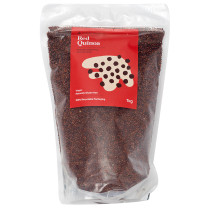
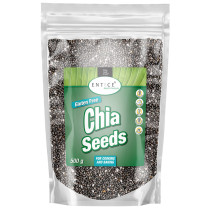
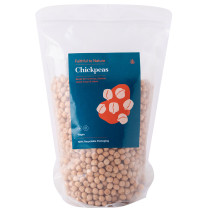
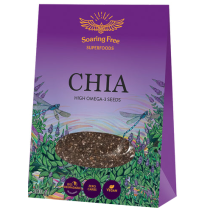
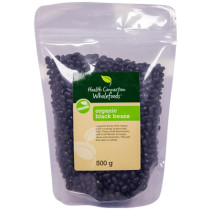
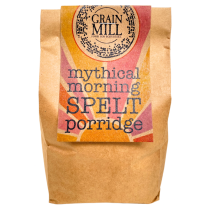
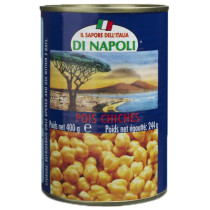
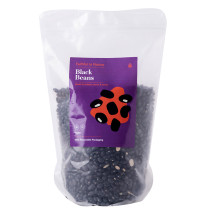
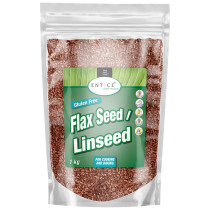
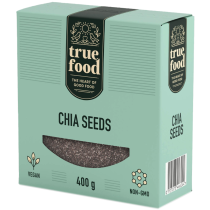
Legumes consistently top the list: lentils, chickpeas, and black beans each deliver 10 to 15 grams of fibre per cooked cup. Seeds like chia and flaxseed are also exceptionally concentrated sources. Beyond those, oats, quinoa, pears, avocado, and most vegetables contribute meaningfully. Variety matters more than chasing any single high-fibre food.
Does cooking or processing affect the fibre content of food?
It can. Refining grains strips away the bran and germ, dramatically reducing fibre content (white rice has a fraction of what brown rice provides). Cooking vegetables softens the cell walls but doesn't significantly reduce fibre. Canning and freezing generally preserve fibre well. As a rule, the closer a food is to its whole, unprocessed form, the more fibre it retains.
How do I add more fibre-rich foods to my diet without overhauling everything?
Small swaps tend to work better than dramatic changes. Swap white bread for a seeded whole grain loaf, add a handful of legumes to soups or salads, choose whole fruit over juice, and keep snacks like nuts, seeds, or oatcakes on hand. Building fibre intake gradually rather than all at once also helps your gut adjust without discomfort.
Shop fibre-rich foods with delivery across South Africa. Change the way you shop, for good.