Our
Our 
Prebiotics & Probiotics
-
sku158643

-
sku158911

-
sku3222v1
-
sku62615

-
sku162817
-
sku162820
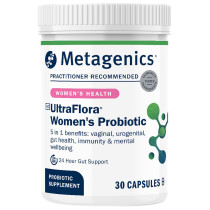
-
sku66975
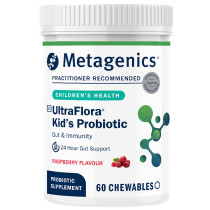
-
sku151069
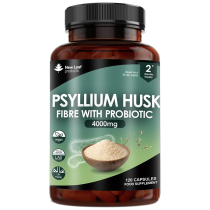
-
sku162874
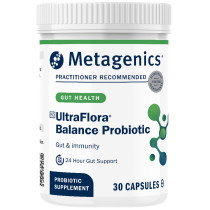
-
sku158479
-
sku162813
-
sku158430
-
sku165846
-
sku165636
-
sku4129

-
sku166426

-
sku61056
-
sku84404
-
sku61059
-
sku167914
-
sku159985
-
sku62612
-
sku166244
-
sku11944

-
sku139038
-
sku136616
-
sku162815
-
sku168101
-
sku158217
-
sku160947
-
sku84056
-
sku162816
-
sku61058
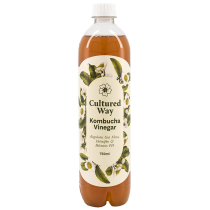
-
sku162818
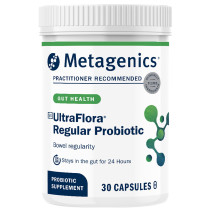
-
sku165072
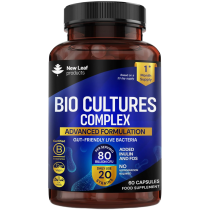
-
sku6173
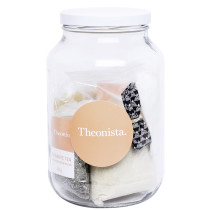
-
sku159066
-
sku158898

-
sku138055
-
sku122943
Prebiotics vs Probiotics: Which Is Right for You?
Prebiotics and probiotics work together, but they do different jobs. Your goals, diet, and the format you prefer will point you towards the right option. Here is a quick breakdown to help you choose.
Probiotics
Lactobacillus, Bifidobacterium, S. boulardii, spore-based strains and Akkermansia
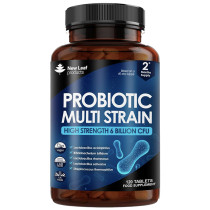
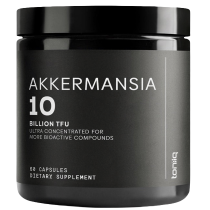
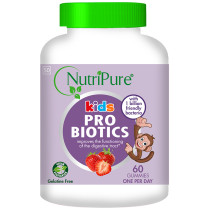
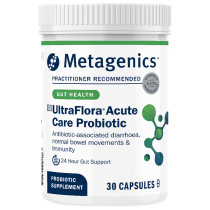
Probiotics are live, beneficial microbes that may help restore balance in your gut microbiome. Choose from multi-strain capsules, sachets, powders, and liquid probiotics, including formulas made for women, babies, and kids, plus next-generation strains like Akkermansia muciniphila.
Shop ProbioticsPrebiotics
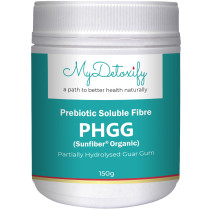
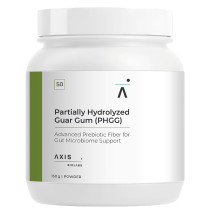
Inulin, PHGG and other fermentable plant fibres
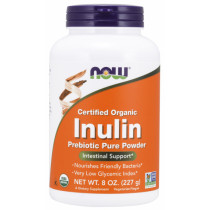
Prebiotics are plant fibres your body cannot digest, but your gut bacteria can. Research suggests they may help beneficial bacteria thrive. Most are unflavoured powders that mix easily into water, smoothies, or food. Looking for bulk fibre like psyllium? Browse our fibre supplements.
Shop PrebioticsPre & Probiotic Combos
Probiotic strains paired with prebiotic fibre (synbiotics)
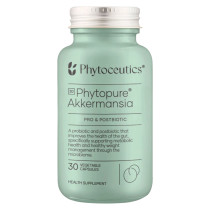
These combine live cultures with the fibre they feed on in a single daily dose. Some newer formulas pair pasteurised Akkermansia, a postbiotic, with inulin or FOS for pre, pro and postbiotic support in one.
Shop Pre & ProbioticsKombucha & Kefir
Traditionally fermented drinks, ready-made or brewed at home
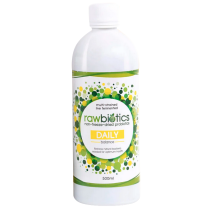
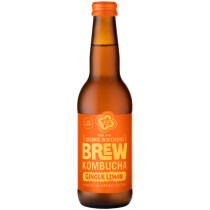
Kombucha and kefir are fermented drinks that naturally contain a mix of live cultures. Pick up a ready-made kombucha, or brew your own with a starter kit or kefir grains.
Shop Liquid ProbioticsStill deciding? Read Prebiotics vs Probiotics and How to Choose the Best Probiotic, or our Akkermansia explainer on one of the most talked-about strains right now.
Frequently Asked Questions
What is the best probiotic for gut health in South Africa?
There is no single best probiotic, the right choice depends on your health goal and the strains included. For general gut support, look for a multi-strain formula with Lactobacillus and Bifidobacterium species at 10 billion CFU or more. FtN stocks well-regarded brands vetted for clean formulations without unnecessary fillers. Browse the full gut health range to compare options.
What is the difference between a prebiotic and a probiotic?
Probiotics are live bacteria that support the gut microbiome directly. Prebiotics are plant-derived fibres, such as inulin, FOS, and acacia, which feed and sustain the beneficial bacteria already in your gut. Taking both together may be more effective than either alone. Some supplements combine both in a single formulation, labelled as synbiotics.
What is the best prebiotic and probiotic combination?
A strong combination pairs a multi-strain probiotic (Lactobacillus and Bifidobacterium, 10+ billion CFU) with a prebiotic fibre such as inulin or FOS. Some products include both in a single capsule. When choosing separately, taking a probiotic at a different time of day from a prebiotic powder, like inulin or acacia fibre, works well for many people. Look for the prebiotic source listed clearly on the label.
What are natural probiotics?
Natural probiotics are live beneficial bacteria found in fermented foods like kefir, sauerkraut, kimchi, yoghurt, and miso. If diet alone is not sufficient, a well-formulated supplement can bridge the gap. FtN focuses on probiotic supplements with clean, identifiable ingredients and verified strain counts, without vague proprietary blend labelling or unnecessary fillers. Browse our range for naturally derived probiotic options.
What are the best probiotics for women?
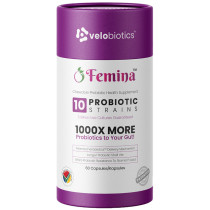
Women's probiotic formulas often include strains associated with vaginal and hormonal health, such as Lactobacillus rhamnosus and Lactobacillus reuteri, alongside standard gut-support strains. FtN stocks several women-specific and general-purpose probiotics suitable for women's gut health needs. Look for a supplement with at least 5–10 billion CFU, multiple Lactobacillus strains, and no unnecessary additives.
How do I choose the right probiotic supplement?
Look for the specific strain names (e.g., "Lactobacillus acidophilus", not just "Lactobacillus"), the CFU count guaranteed at expiry rather than at manufacture, and whether the product requires refrigeration. A high-CFU single-strain supplement suits targeted use, while a multi-strain formula better suits general gut maintenance. If you have a specific health concern, a healthcare practitioner can advise on the most appropriate strains.
Are probiotic supplements regulated in South Africa?
Probiotic supplements in South Africa fall under SAHPRA's complementary medicines framework. This means products must comply with labelling and composition standards, though not all health claims require the same level of clinical evidence as pharmaceutical medicines. FtN applies its own quality-vetting process on top of regulatory requirements, so products listed have been reviewed for ingredient transparency and formulation quality.
Can I take a prebiotic and probiotic at the same time?
Yes, and taking them together is often beneficial. Prebiotics provide the food that probiotics need to survive and thrive in the gut. Some research suggests that separating them by a few hours (probiotic in the morning, prebiotic with a meal) may be slightly more effective for certain strains, but for most people, taking both together or separately as convenient is fine. Look at the specific product instructions for any brand recommendations.