Our
Our 
Hibiscus Tea
-
sku165796
-
sku131808
-
sku62408
-
sku160312
-
sku123479
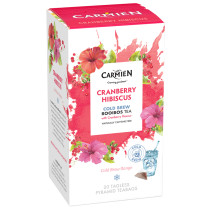
-
sku159707
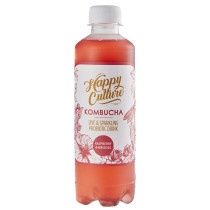
-
sku159903
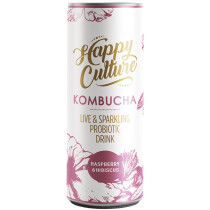
-
sku62062v2
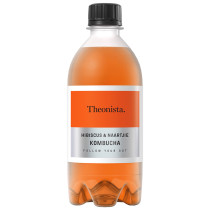
-
sku167670
-
sku62062
-
sku167952New
-
sku164369
-
sku164368
-
sku161932
-
sku161311
-
sku161313
Hibiscus Tea
What is hibiscus tea good for?
Hibiscus tea is traditionally used to support cardiovascular health, and research suggests that drinking 2 to 3 cups a day may help maintain healthy blood pressure levels. Studies also indicate it may support healthy cholesterol balance, reduce triglycerides, and help manage insulin resistance, making it a popular choice for those supporting metabolic health naturally.
Is hibiscus tea caffeine-free?
Yes. Hibiscus tea is naturally caffeine-free, making it a good choice for those reducing their caffeine intake, sensitive to stimulants, or looking for a calming evening brew. It can be enjoyed hot or cold without affecting sleep.
How do you make hibiscus tea?
Steep 1 to 2 teaspoons of dried hibiscus calyces in 240ml of hot water for 5 to 10 minutes, then strain. For a cold brew, steep overnight in the fridge for a naturally chilled version. It pairs well with honey, ginger, or mint. Most research on hibiscus tea's benefits is based on 2 to 3 cups daily.
What does hibiscus tea taste like?
Hibiscus tea has a tart, cranberry-like flavour with a deep ruby colour. It's refreshing on its own, but blends well with honey, ginger, or mint if you prefer a slightly sweeter or more complex cup. It's equally good served iced.
What is the difference between hibiscus tea and rooibos?
Both are popular caffeine-free herbal teas, but they're quite different. Hibiscus is tart and cranberry-like, made from the dried calyces of Hibiscus sabdariffa, and is rich in anthocyanin antioxidants linked to heart and metabolic health. Rooibos is mild, slightly sweet, and earthy, made from a South African shrub, and is known for its anti-inflammatory properties and high mineral content.
Can you drink hibiscus tea every day?
Most adults can enjoy 2 to 3 cups of hibiscus tea daily as part of a balanced diet — this is also the amount most commonly studied for cardiovascular and metabolic benefits. It's naturally acidic, so rinsing your mouth with water afterwards is a good habit. If you're on blood pressure or diabetes medication, check with your healthcare provider before making it a daily ritual.
Is hibiscus tea safe during pregnancy?
Hibiscus tea is generally not recommended during pregnancy. Some research suggests it may have uterine-stimulating properties, so most healthcare practitioners advise avoiding it as a precaution. Pregnant women should consult their doctor or midwife before adding it to their routine.