Our
Our 
Sceletium
Succulent Plant
Sceletium
Other Name(s):
Sceletium tortuosum; Kanna; Kougoed; Channa; Mesembryanthemum tortuosum
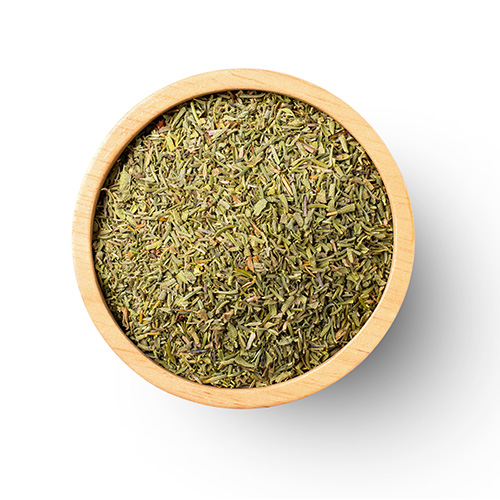
A small, succulent plant native to the arid Karoo and Namaqualand regions of South Africa, whose leaves have been used by the Khoisan for thousands of years as a mood elevator, anxiolytic, and stress reliever — and are now the subject of peer-reviewed clinical research into anxiety and cognitive function.
- Based on South African National Biodiversity Institute (SANBI) and peer-reviewed ethnobotanical literature
Is Sceletium Faithful to Nature?
Yes — and it's a source of quiet South African pride.
Sceletium tortuosum is indigenous to South Africa's Karoo and Namaqualand, grows nowhere else in the world in its wild form, and carries thousands of years of Khoisan traditional knowledge. Wild populations face serious conservation pressure, and harvesting wild Sceletium without a permit is illegal under South Africa's Biodiversity Act. Responsibly sourced Sceletium comes from licensed commercial farms, where it is cultivated using sustainable practices that protect surrounding ecosystems and pollinators. When you buy Sceletium, choose products that can trace their supply chain to registered South African growers.
Benefits: Why is Sceletium Used?
Mood Elevation
Used by the Khoisan for centuries to elevate mood and ease emotional distress, Sceletium works on multiple neurotransmitter pathways to support a more balanced, positive emotional state — particularly under chronic stress or burnout.
Anxiety & Stress Relief
Sceletium's active alkaloids act as natural serotonin reuptake inhibitors, supporting the brain's ability to regulate mood and reduce anxiety — without the side effects associated with pharmaceutical SSRIs at typical supplement doses.
Cognitive Function
Sceletium inhibits PDE4 enzymes, which play a role in supporting memory, mental clarity, and cognitive flexibility. Clinical trials using Zembrin® (standardised Sceletium extract) have demonstrated measurable improvements in cognitive function under stress.
Calm Without Sedation
Unlike many calming supplements, Sceletium does not cause drowsiness or next-day impairment at typical doses. The Khoisan used it specifically to reduce stress and sustain mental endurance on long journeys — calm and clear, not sedated.
Sceletium is most commonly found in mood, stress, and anxiety supplement formulas — in capsule, tablet, and tincture form. It appears both as a standalone ingredient and in combination formulas alongside adaptogens like ashwagandha and rhodiola, or nootropics like L-theanine and lion's mane mushroom.
The most clinically researched form is Zembrin® — a patented, standardised Sceletium extract. If clinical evidence matters to you, look for this on the label. Sceletium also appears in some South African herbal teas and artisanal wellness products that honour its traditional Khoisan roots.
In traditional Khoisan practice, Sceletium was fermented before use — the plant material was bruised and left in its own juices, which transforms the alkaloid profile and enhances its mood-elevating effects. The fermented plant was then chewed, smoked, or used as snuff. This is the origin of the name kougoed, meaning "chew thing" in Afrikaans.
Modern commercial production follows regulated agricultural practices on licensed South African farms. After harvest, the plant material undergoes controlled fermentation and drying before being extracted and standardised into supplement-grade powder or extract. The most rigorously tested form — Zembrin® — uses a patented process to ensure consistent alkaloid levels (primarily mesembrine and mesembrenone) in every batch.
The earliest written record of Sceletium use dates to 1662, when Dutch colonist Jan van Riebeeck documented the Khoikhoi trading it at the Cape. But archaeological evidence suggests the San people had been using Kanna for thousands of years before that — in ritual, medicine, and to sustain endurance on long migrations across the Karoo.
Sceletium is now one of the only African plants to have completed randomised, double-blind, placebo-controlled clinical trials. A 2013 study published in the Journal of Ethnopharmacology demonstrated that Zembrin® significantly reduced anxiety and improved cognitive flexibility — validating what the Khoisan already knew. South Africa also has a formal benefit-sharing agreement in place for Sceletium's commercial use, meaning indigenous communities receive a share of revenue generated from the plant globally.
How Do I Know If I Need Sceletium?
Sceletium sits at a rare intersection: thousands of years of traditional use and a growing body of peer-reviewed clinical research. It's not a sedative, not a stimulant, and not a pharmaceutical — it's a plant that supports your brain's own mood-regulating systems. The people who benefit most tend to be those who feel chronically stressed, emotionally flat, or mentally overwhelmed, but who haven't reached a point where pharmaceutical intervention feels necessary.
Signs Sceletium may be relevant for you
- Persistent stress, anxiety, or a constant sense of overwhelm
- Low mood, emotional flatness, or early-stage burnout
- Difficulty concentrating or mental fog under pressure
- Sleep disruption driven by racing or anxious thoughts
- Irritability or emotional reactivity that feels disproportionate
- Social anxiety or performance-related stress
- A desire to reduce reliance on stimulants to get through the day
Sceletium is not suitable if you
- Are taking SSRIs, MAOIs, or any other serotonergic medication — the combination risks serotonin syndrome
- Are pregnant or breastfeeding
- Have bipolar disorder — consult a psychiatrist before use
- Are on any scheduled psychiatric medication — always consult your prescribing doctor first
Sceletium is not a substitute for professional mental health care. If you are experiencing severe anxiety, depression, or a mental health crisis, please seek support from a qualified healthcare provider. Sceletium is best positioned as a daily wellness tool for managing stress and mood challenges — not as a treatment for clinical conditions.
Quick Fact: Serotonin Without a Prescription
"Sceletium's primary active alkaloid, mesembrine, works by inhibiting serotonin reuptake — the same basic mechanism as the most widely prescribed class of antidepressants. The key difference is potency: at typical supplement doses, Sceletium provides a gentle, sub-therapeutic effect that most people experience as reduced anxiety and an uplift in mood, without the side effects of pharmaceutical SSRIs."
This is also why Sceletium cannot be safely combined with SSRIs or MAOIs. The mechanism that makes it effective is the same one that makes the interaction risky.
Notice: The information provided here is not intended as medical advice and is for educational purposes only.
Products Containing Sceletium
-
sku121309
-
sku7839

-
sku165591
-
sku158041
-
sku158042
-
sku156914

-
sku156913

-
sku132443

-
sku3902

-
sku67146
-
sku158883

-
sku127229
-
sku159705
-
sku4901