Our
Our 
Hibiscus
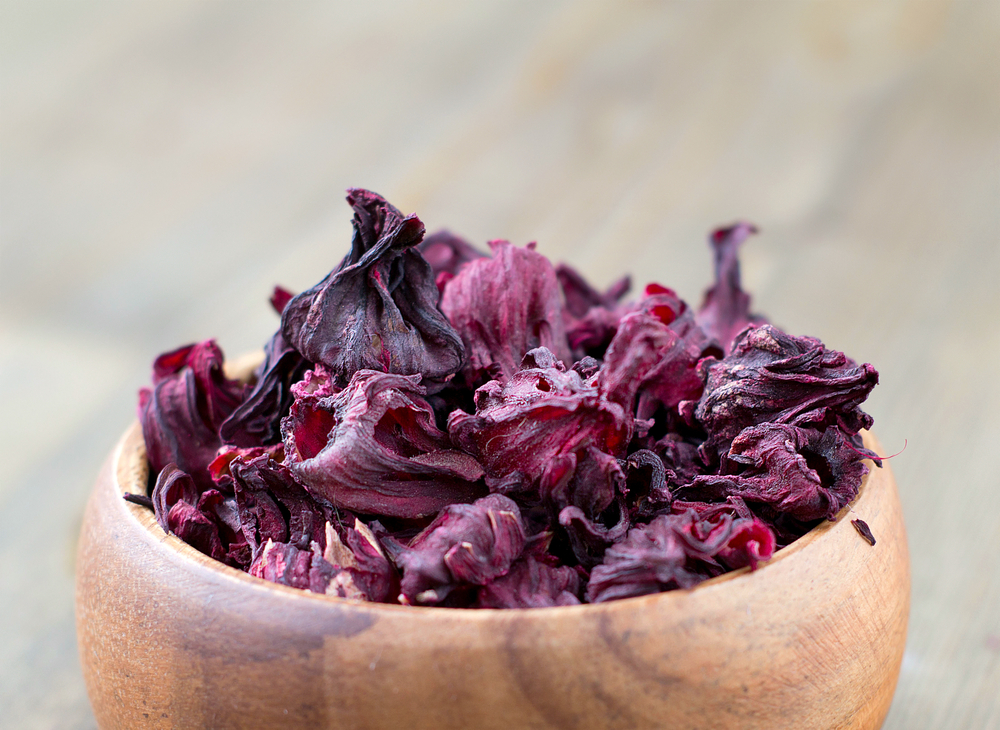
Hibiscus
Hibiscus sabdariffaHibiscus is a caffeine-free flowering plant prized for its tart, cranberry-like red calyces. Rich in anthocyanin antioxidants, it is widely researched for supporting healthy blood pressure, heart health and metabolic function. It is one of the most widely consumed herbal teas in the world.
FtN Hibiscus Products ↓In Egypt and Sudan, hibiscus has been brewed in the Nile Valley for centuries as Karkadé, served hot in winter and cold in summer, and raised in a toast at weddings and celebrations. It is one of the oldest botanical drinks still in widespread daily use. Across West Africa it is known as Bissap (Senegal's national drink) and Zobo in Nigeria, spiced and shared at family feasts. Beyond the cup, hibiscus has long played a role in traditional food preparation, natural dyeing, and plant-based medicine throughout the regions where it grows.
Reference: Cid-Ortega S, Guerrero-Beltrán JA. Roselle calyces (Hibiscus sabdariffa), an alternative to the food and beverages industries: a review. Journal of Food Science and Technology, 2015. — View on PubMedKey benefits of hibiscus
What the research says, with the evidence behind each claim.
Supports healthy blood pressure
Multiple clinical studies found that drinking hibiscus tea daily produced meaningful reductions in both systolic and diastolic blood pressure in adults with pre-hypertension or mild hypertension. The proposed mechanism involves hibiscus acting as a natural ACE inhibitor and mild diuretic to relax blood vessels and reduce fluid retention.
Source: McKay DL et al. Hibiscus sabdariffa L. tea lowers blood pressure in prehypertensive and mildly hypertensive adults. Journal of Nutrition, 2010.Packed with antioxidants
Hibiscus calyces are exceptionally rich in anthocyanins, the flavonoid pigments responsible for their deep red hue. These antioxidants help neutralise free radicals that contribute to oxidative cellular ageing. In laboratory studies, hibiscus extract has shown higher antioxidant activity than many common superfoods, making it a popular ingredient in anti-ageing and immune-support formulas.
Source: Review of Hibiscus sabdariffa antioxidant and bioactive properties. PMC, 2022.May support healthy cholesterol levels
Research suggests hibiscus may modestly reduce LDL cholesterol and triglycerides while supporting HDL cholesterol, particularly in people with metabolic risk factors. The hydroxycitric acid and polyphenols in hibiscus are thought to play a role in lipid metabolism.
Source: Hibiscus sabdariffa L. and lipid metabolism. Journal of Alternative and Complementary Medicine, 2011.Supports liver health and detoxification
Animal and early human studies suggest hibiscus may help protect the liver from oxidative damage and support the body's natural detoxification pathways. Some research points to its ability to reduce markers of liver stress such as elevated AST and ALT enzymes. Larger human trials are still needed, but these findings have driven interest in hibiscus as a liver-supportive botanical.
Source: Hepatoprotective effects of Hibiscus sabdariffa: a review. PMC, 2022.What does the science say about hibiscus?
Hibiscus is genuinely well-studied for a botanical. Unlike many herbal ingredients whose health reputations rest primarily on tradition, hibiscus has been the subject of multiple peer-reviewed clinical trials in humans, with consistent findings across blood pressure reduction, antioxidant activity, cholesterol, and liver enzyme markers. For most healthy adults, it is safe and well-tolerated at typical tea and supplement amounts, and there is real clinical data behind the claims made about it.
Source: Obouayeba AP et al. Phytochemical and pharmacological properties of Hibiscus sabdariffa L.: a review. PMC, 2022.How does hibiscus compare?
Hibiscus tea vs other popular herbal teas across key wellness criteria.
| Hibiscus Tea | Green Tea | Rooibos | Chamomile | |
|---|---|---|---|---|
| Caffeine-free | Yes | No | Yes | Yes |
| Blood pressure support | Strong clinical evidence | Mild | Limited evidence | Limited evidence |
| Antioxidant richness | Very high (anthocyanins) | Very high (catechins) | Good | Moderate |
| Cholesterol support | Yes, clinical evidence | Yes | Limited evidence | Limited evidence |
| Liver support | Yes, early evidence | Yes | Limited evidence | Limited evidence |
| Skin and collagen support | Yes (anthocyanins) | Yes (EGCG) | Mild | Mild |
| Safe during pregnancy | Caution advised | Low amounts only | Generally yes | Generally yes |
| Taste profile | Tart, cranberry-like | Grassy, vegetal | Sweet, nutty | Floral, mild |
How Do I Know If I Need Hibiscus Tea?
Hibiscus is caffeine-free, well-researched, and widely available. Here is a quick guide to whether it suits you.
Good fit if you want to
- Support healthy blood pressure through diet
- Enjoy a caffeine-free, antioxidant-rich daily tea
- Support healthy cholesterol or blood-sugar levels
- Support skin health and collagen protection
- Support liver health and natural detoxification
- Add an organic, plant-based ingredient to your routine
Check with your doctor first if you
- Take antihypertensive medication (effects are additive)
- Are pregnant or breastfeeding
- Have a hormone-sensitive condition
- Are prone to kidney stones (high in oxalates)
- Take diabetes medication (mild blood-sugar-lowering effect)
Hibiscus tea is a food-grade botanical with a strong safety record at typical consumption levels. It is not a substitute for prescribed medication or professional medical care.
Why Faithful to Nature loves hibiscus
We stock hibiscus because the evidence is unusually strong for a botanical. Multiple peer-reviewed clinical trials, consistent measurable results, a high bar in the natural health space. Hibiscus clears it.
It is also genuinely versatile: daily tea, cold brew, smoothie boost, supplement, natural skincare ingredient. One plant, many routes into a wellness routine.
Most of all, more South Africans deserve to know about it. Hibiscus is not a trend arriving from abroad. It is a deeply African plant with a long history on this continent, and we are proud to make it easy to find.
Products Containing Hibiscus
Shop hibiscus teas, powders and supplements from trusted natural brands.
-
sku139210

-
sku165796
-
sku131808
-
sku161898

-
sku62408
-
sku61128
-
sku160312
-
sku106221
-
sku160140
-
sku123479
-
sku62062v2
-
sku167670
-
sku159707
-
sku159903
-
sku162340

-
sku138475
-
sku161937
-
sku167044
-
sku62062
-
sku167477
-
sku65307

-
sku167952
-
sku161970

-
sku164369
-
sku164368
-
sku161313
-
sku161932
-
sku161311
Frequently Asked Questions
What are the benefits of hibiscus tea?
Hibiscus tea is rich in anthocyanins and vitamin C, and research suggests it may support healthy blood pressure, liver function, and immune health. Its deep red colour comes from dried hibiscus sabdariffa petals, which are also a source of organic acids and antioxidants. It is naturally caffeine-free and can be enjoyed hot or cold throughout the day.
What are the benefits of hibiscus tea for women?
Hibiscus tea is popular among women for its antioxidant and anti-inflammatory properties. Research suggests it may support healthy blood pressure and assist with iron absorption, which is especially relevant during heavier menstrual cycles. It is also traditionally used to support hormonal balance and a healthy weight. As a caffeine-free herbal, it is a gentle option for daily use.
What does hibiscus tea do for the body?
Hibiscus tea delivers anthocyanins alongside vitamin C, organic acids, and polyphenols. Research suggests these compounds may support cardiovascular health, reduce oxidative stress, and assist liver and digestive function. It hydrates without caffeine, has a naturally tart flavour, and can be enjoyed both hot and as a cold-brewed herbal iced tea.
Does hibiscus tea benefit the skin?
Hibiscus is sometimes called the "botox plant" in natural wellness circles because of its alpha hydroxy acid (AHA) content and antioxidant profile. Drinking hibiscus tea may support skin health by reducing oxidative stress, while topical hibiscus extracts are widely used in natural skincare for their gentle exfoliating and firming properties. Individual results vary.
Does hibiscus tea contain caffeine?
No, hibiscus tea is naturally caffeine-free. It is brewed from dried hibiscus sabdariffa flower petals rather than tea leaves, so it contains no caffeine at all. This makes it a good option for people reducing their caffeine intake, or as a calming evening drink. Those who are pregnant or breastfeeding should check with their healthcare provider before drinking it regularly.
Is hibiscus tea available in South Africa?
Yes, hibiscus tea is available in South Africa at Faithful to Nature, which stocks a curated range of loose-leaf and bagged options, including organic varieties. Orders are delivered nationally. If you prefer to shop in store, hibiscus tea is also stocked at selected health food shops and pharmacies in major cities.
Can I buy organic hibiscus tea in South Africa?
Yes, organic hibiscus tea is available at Faithful to Nature. Several products in the range carry certified organic status, meaning the flowers are grown without synthetic pesticides or fertilisers. Look for certification logos such as Ecocert or USDA Organic on the label, or filter by certified organic products when browsing the range.