


Faithful to Nature – Natural & Organic Blog

Archive for the 'Natural Perfume' Category

The Scents of Africa


Steiner once said that the geography of the land reflects the hidden forces that shapes not only the landscape but is also a reflection of the Folk-Souls and thus shapes those born there. Just as the geography of the land reflects its hidden forces, so do the plants that have evolved from its soils and were shaped by its climatic conditions. Plants in turn, imbue us with their essence and thus the soul of the land, in one way or another. Even when you go walking in different biomes you will notice the difference in feel from one area to another, although they may be separated only by short distances.

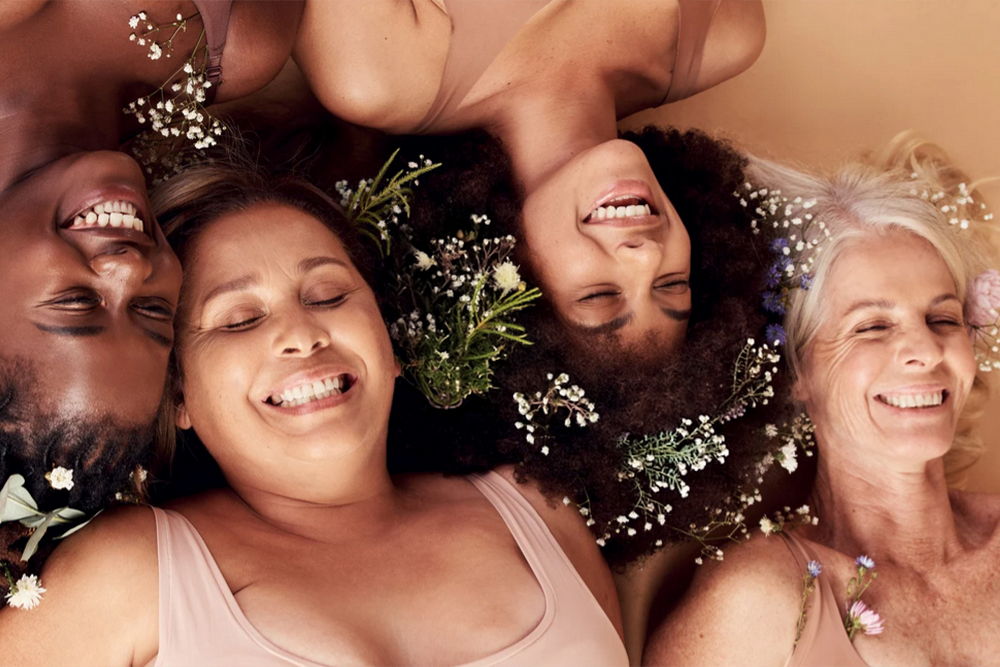
In perfumery we are especially aware of how the scents of plants vary from country to country even though they may be exactly the same specie of plant. Bulgarian rose and Turkish rose have for example distinctly different scents even though they are both classified as Rosa damascene. The whole of the ecosystem shapes the individual elements within it and we are shaped in the same way. Although the variety in ethnic groups within Africa varies greatly in character we all share a common element that on the surface may perhaps not be easy to discern, yet it is there. Perhaps we can only describe it in ethereal terms. We who live in Africa are all infused with the soul and spirit of Africa, perhaps the term “quintessence” which the alchemists used to describe the purified human psyche will be most apt.

In reality we are all constantly being “enflowered” by our environment, to borrow a translation of the word enfleurage. Enfleurage is an old French technique used to extract the scents from strongly scented flowers too delicate for any process that involves heat. Today it is mainly used by artisan perfumers, myself included, as it is too time consuming for large scale production. Freshly plucked flower petals are layered onto large panes of fat-coated glass, and the sheets are loaded into wooden frames called chassis. Each chassis full of fat, glass, and flower petals is next scaled airtight for several days, during which time the lard or other scentless fat, “soaks up” fragrances from the heavily scented flowers. The old petals are then taken out of the chassis and replaced by fresh blossoms, the frames are resealed, and the process is allowed to continue for a few more days. This procedure is repeated again and again, until finally the fats have absorbed all the fragrance they can hold. The “enflowered” fat is then placed in alcohol to in turn absorb the scent from the fat. The scented fat (called pomade) is also used to make soaps or solid perfumes.

Extracting the essence from aromatic raw material is indeed a process of purification which leaves you with only the essence, or the spirit from which it was extracted. One can easily see why originally all perfumes and incenses were used for sacred purposes. Incense is actually burnt offerings of aromatic material. Offering something up, suggests an uplifting or the transformation of something from a lower form to a higher form, specifically, the translation of something mundane to something sacred. Originally it was thought that burning a sacrifice, the material was transformed into something spiritual, and thus it could then be received by the deity. The word sacrifice itself comes from a root meaning to make sacred or to sanctify. No wonder the modern word “perfume” is a derivative of the Latin word “parfumare” which means “through smoke”. Like smoke a perfume is as illusive as a moment in time, which none the less leaves an unforgettable imprint in our memories.

As one can view aromatic extracts as the quintessence of its living source, Perfumery is a perfect creative medium through which to express the spirit of Africa. Africa has an incredible wealth of aromatic material, and it has taken me many years to collect the ingredients necessary to design a perfume using only African ingredients. To give you an idea of our wealth; the Medical Research Council of SA has 24 000 indigenous plant species on their database claiming to have medicinal value. Of these they have extracted a “shortlist” of 4 000 species that they believe have commercial value. Europe in contrast, might have a maximum of 2 000 plants drawn from all over the world that are used in “natural products” (as wide as, and including, homeopathic and pharmaceutical remedies, food additives, health foods, cosmetics etc). Some official reports have this figure as low as 250.

Africa is however, best known through the ages, for its Frankincense and Myrrh, though not many people are aware of how many varieties of Myrrh and Frankincense there are, and how different their scents are. True Frankincense has for an example a lemon/lime citrus scent and Olibanum (Boswellia.serrata), mainly from India, has an orange citrus scent and is generally darker in colour. In Africa Somalia is especially renowned for both Frankincense and Myrrh, however, outside of Somalia there are many other varieties of both Frankincense and Myrrh in Africa. The Myrrh most people know is for example is Commiphora myrrha. There are however, 37 other species of Commiphora which are presently known from the Flora of Southern Africa region alone; twenty-nine of which occur in Namibia. Most Commiphoras exudes resins and thus has a potential for aromatic extracts.

It was indeed from Namibia that I at last found which was for me the pivotal ingredient for designing an all African perfume. I heard about a project that the IRDNC (Integrated Rural Development and Nature Conservation) has in the Kunene Region to developing Commiphora resources for income generation among the Himba.

Omumbiri (Commiphora wildii) has been used traditionally by the Himba to make their own perfume. They make both a dry powdered perfume and a mixture with the Omumbiri,ochre, and butterfat. The omumbiri resin is used by placing it at the bottom of a container made from a cow horn. Animal fat and ochre is then placed in the container. The fragrance of the resin permeates the ochre and animal fat mixture so that when it is rubbed on the skin, it has a pleasant smell. Himba women rub their skins with this mixture on a daily basis. They live in the Kunene region of this vast desert land and because of their seclusion from outside influences, have managed to maintain much of their traditional lifestyle. The Omumbiri project has helped them to maintain their nomadic life style and culture.

As a natural perfumer the aromatic wealth of Africa truly fills one with excitement of creative possibility. Each new aromatic is for the perfumer like discovering a new colour to add to the palette. African Dawn, Whisper and Faye are the first products on the market that contains Omumbiri.

African Dawn

African Dawn is a blend composed out of my personal favourite African aromatics, which for me expresses the spirit of Africa; from its fresh herbal notes, through its intoxicating florals and spiciness, down to an earthy, rich smokey base. African Dawn opens with the fresh herbal notes of Blue Grass and Cape May that mellows into a heart of the Comorian Ylang Ylang, Egyptian Jasmine and Moroccan Rose, spiced with Coriander, Cinnamon, Cloves and Buchu. The beautiful base is truly unique with Omumbiri from Namibia, Muhuhu from Tanzania, Hyraceum from the Cederberg, and Beyo Frankincense from Somalia.

Whisper

Whisper was inspired by the scent of Lilac on a warm evening. I used the very rare and costly Tahitian Gardenia Absolute for its beautiful green floral notes, paired with Violet leaf and the indigenous Butterfly bush blossoms to create the signature of this perfume. Omumbiri and Muhuhu forms the base of this beautiful fresh green floral.

Visit our natural & organic online shop
Posted by Robyn Astl in Natural Perfume | Add a Comment

Personality Types & Perfumes


Scent-preferences are highly personal and subjective. Why is it that certain scents will transport one person with delight, but will be offensive to another? Our scent associations are directly linked to our memories. In one survey, for example, responses to the question ‘What are your favourite smells?’ included many odours generally regarded as unpleasant (such as gasoline and body perspiration), while some scents usually perceived as pleasant (such as flowers) were violently disliked by certain respondents. These preferences were explained by good and bad experiences associated with particular scents. The scent of roses for example, although loved by most people, might be disliked by someone who associates the scent of roses with her mother’s funeral.

One of the studies showing our tendency to prefer scents that we can identify correctly also showed that the use of an appropriate colour can help us to make the correct identification, thus increasing our liking for the fragrance. The scent of cherries, for example, was accurately identified more often when presented along with the colour red – and subjects’ ability to identify the scent significantly enhanced their rating of its pleasantness.

Other studies have shown that shy, introverted people are generally more sensitive to smell than sociable extraverts. Scents evoke an emotional response in us, and how we react emotionally to stimuli is based on our past experiences; our memories. How we feel emotionally has a direct affect on our health and general well-being.

The scents that you encounter throughout your life become part of your experience: your aromascape, or inner landscape of scent. Your aromascape is formed by your specific anthropological perspective-taking into account genetics, cultural heritage, place of birth, places you have lived, as well as your physical, psychological, and emotional context. These factors also shape our personalities.

Our personalities or our identities are what we filter the outside world and incoming information through. If you for example see yourself as a romantic type of person, you will view the world in a romantic light and will surround yourself with objects, colours and indeed scents that reflect your romantic nature. This is how we “advertise”, either consciously or unconsciously, to the outside world who we are, in order to attract those who are of like mind to us. Flowers of course do the same; their scents and colours attract the right pollinators and repel the wrong ones. Most white flowers for example, with their strong narcotic scents are pollinated by moths. Their scents incidentally are also strongest at night time.

A perfume is like a subtle aura that surrounds us, a reflection of our personality. We do not expect other people to all have the same likes and dislikes as we do, and would be offended if someone tried to impose their likes on us; this should be kept in mind when we wear a perfume. It is no longer politically correct to wear perfumes with a sillage (the trail a perfume leaves) that extends beyond your personal boundaries, as is in the case of most synthetic perfumes. Some workplaces are even banning people from wearing perfumes due to the allergic reaction many are experiencing from the fumes. There is even a case in America of a woman suing a fellow worker, who refused to stop wearing her perfume, which she claimed was making her sick.

A Natural perfume’s sillage is closer to skin, more subtle. It is there to enjoy for those whom you will allow into your personal space and for those with whom you want to share who you uniquely are.

The colour Rosette Test

Most people tend to be overwhelmed when faced with the huge selection of fragrances available, thus to help people decide Psychologists Dr. Joachim Mensing and Christa Beck of the Research Institute for Applied Esthetics in Freiburg, West Germany developed a colour rosette test based on the link between our personality types, colour and scent.

This a fun and effective way to learn more about yourself and to better guage which fragrances will better appeal to you.

Simply study the attached chart without reading any further and pick a rosette.

Once you have chosen your Rosette, note which letter it is associated with and read about your group type and the recommended perfume from our beautiful natural range:

Group A: Extraverted

As a result of their basic psychological make-up, the perfume users in this group tend to be optimistic and active. They are outgoing, dynamic and willing to accept risks. The attitudes and behaviour patterns of the perfume users that make up this group reflect their psychological personality traits:

In group efforts, they like to be the leaders – They reject a weak, non-self-sufficient woman’s role – Life and all of its difficulties pose no problems for them – They can quickly impart life to a boring group – Tasks that demand fast action are what they love. Their desired lifestyle is straight-forward, practical and utilitarian, and they display a keen interest in everything new.

Fragrance needs are fresh, citrus, floral

Recommended fragrances are:

Shimmer & Moondance

Group B: Introverted

The need for inner tranquility and harmony as well as the possibility of being able to develop their own individuality, characterise this user group. As a result of their psychological make-up, they tend to both relate to their environment, while simultaneously defining themselves against it. Their characteristic attitudes and behaviour patterns are:

Pondering a great deal about themselves and others – Rejection of those who are merely superficial – They would rather stay at home than go to a boring party – Living alone on a deserted island for months or years on end would pose no problems for them – They are decisive in rejecting anything that would threaten or restrict the individuality. Their desired lifestyle is individualistic and unique, and not infrequently “alternative”.

Fragrance need is oriental

Recommended fragrances are:
Magdalene & Khadine

Group C: Emotionally Ambivalent

As a result of their basic psychological make-up, these perfume users are highly sensitive and have finely developed feelings. Their moods are ambivalent. Day-dreams and romantic, sentimental fantasies from a firm part of their reality. The way in which they experience life manifests itself in their characteristics attitudes and behaviour patterns:

Sometimes, they are ready to conquer the world, while on other occasions, they cannot get up the energy to do any real work – They reject everything that is too sober and rational – They enjoy dreaming about things that cannot possibly even come true – An aversion to having their moods and feelings restricted – They enjoy cozy evening at home with lights dimmed. Their desired lifestyle does not display any uniform traits. Their interest in fashionable new trends is appeased by emotional ties to old artifacts that they have grown to love.

Fragrance needs are light-floral, usually in conjunction with various other fragrance families

Recommended fragrances are:
Melody & Moondance

Group D: Emotionally ambivalent with extraverted mood trend

The perfume users that comprise this group display a basic personality make-up that is lively, cheerful and vivacious, yet easily injured. This group reacts spontaneously and generously to its environment, as can be evidenced by its characteristic attitudes and behaviour patterns:

They always attempt to make the best out of what life has to offer – Their attitude is: We should satisfy as many desires as possible; after all, we only live once – They reject people who let themselves go – They can make decisions spontaneously and be enthusiastic about them – Should they feel injured, they attempt to overcome the situation without brooding over the cause of it longer than is absolutely necessary. Their desired lifestyle is geared toward modernality. It is characterized by spontaneous interests and impulsiveness, and sometimes “dreamy” behaviour.

Fragrance needs are floral, floral-fruity

Recommended fragrances are:
Iris, Shimmer & Melody

Group E: Emotionally ambivalent with introverted mood trend

As a result of their personality make-up, the perfume users in this group reject hectic, unsettled or dynamic life. They have a strong need for protection and security. Characteristic attitudes and behaviour patterns of this group include:

A desire to plan carefully and on a long-range basis – In the event of illness, they would always have the diagnosis confirmed by a second opinion – A secure job that offers only average earnings is preferable to a short, yet high paying job – Whenever possible, they avoid conflicts – They enjoy having people around them who can offer them security, but without disturbing the rhythm of their own lives. Their desired lifestyle necessitates a firm financial foundation. They have strong preference for collecting valuable items.

Fragrance needs are floral-sweet, oriental

Recommended fragrances are:
Melody , Magdalene & Khadine

Group F: Emotionally stable with extraverted mood trend

These perfume users display a basic personality make-up that is strong, harmonious and well balanced. They are rarely unhappy or depressed. The aspects that make up their daily lives are assessed realistically and pursued diligently. Several characteristic attitudes and behaviour patterns:

Problems are solved in a practical, uncomplicated manner – They don’t worry about the past – They put less stock in their luck and more in their own deeds – They radiate human warmth and strength to their environment – They play or have played an active role in organizing club or group. Their desired lifestyle is characterized by a preference for quality, well-made and durable things.

Fragrance needs are chypre, floral-mossy, animalistic, fruity

Recommended fragrances are:
Dryad , Apollo & Moondance

Group G: Emotionally stable with introverted mood trend

The perfume users in this group are engaged in a search for well-balanced emotional state. As a result of their personality make-up, they are neither predominantly quiet and introverted nor highly dynamic and lively. And last but not the least, their desire for self-control also manifests in their characteristic attitudes and behaviour patterns toward themselves and their environment:

Care is taken to avoid overstepping their bounds with respect to others – They value a certain social level in those around them – Their search for a well-balanced emotional state, they feel, is not made any easier by their environment – They would not let themselves go in the presence of others – even when they are alone, they like to eat at a carefully set table. The lifestyle desired by this group is life in the fast lane; they love everything that is elegant, special and precious.

Fragrance need is floral-powdery

Recommended fragrances are:
Magdalene & Khadine

H. The brown/yellow/green colour rosette

The studies performed with the H&R colour test showed that the “emotionally stable” mood does not represent an independent, typical fragrance need.

Should, however, a perfume user select the brown/yellow/green colour rosette in conjunction with any other colour rosette for Groups A to G, it is an indication that she is looking for the fragrance direction indicated by the group, but in a particularly straight-forward, uncomplicated form. Combinations of various groups indicate a combination of the corresponding fragrance needs.

Visit our natural & organic online shop
Posted by Robyn Astl in Natural Perfume | Comments (1) - Add a Comment

Enrich Your Moods With Natural Perfume


Sophia Du Toit, creator and owner of House of Mir (A beautiful range of natural perfumes which we have just started to sell) answers questions and shares insightful facts and knowledge with us on how the perfume industry has evolved from using natural essences to potentially toxic essences, and on how we should choose our perfume.

How did you get into natural perfumery?

The following quote, really brings it to life:

“Discovering the art of natural perfumery is like crossing the threshold of a beautiful old house and finding it utterly intact and splendidly furnished-but deserted, as if it had been suddenly abandoned. It took centuries to discover ways of extracting scent from aromatic materials. Yet just as a full palette of natural essences became available, commercial perfumers began to set them aside in favor of synthetic ingredients, which are cheaper, sturdier, and more uniform in quality. Unfortunately, they have none of the richness or complexity of the natural ingredients, and they result in ‘linear’ fragrances that strike the senses bluntly, all at once.” – Mandy Aftel

It was exactly because of this blunt, “in your face” nature of modern perfumes that I never used any perfumes. They felt dead to me as opposed to the sparkling aliveness of natural essences. Natural essences contain minute traces of various materials, which is why Moroccan rose smells different from Bulgarian rose or Egyptian rose. Synthetics can approximate the dominant qualities of the natural essences, but they cannot capture the same subtlety or softness, nor can they mimic the way natural perfumes evolve on the skin, uniquely in response to body chemistry.

Why are natural perfumes a better choice than synthetic perfumes?

Most people think of perfumes as being a being a complex blend of exquisite and exotic natural essences. Certainly the glossy advertisements fuels this believe, however, they are often shocked to find out that most modern perfumes contains little if any, natural ingredients.

Indeed, before the mid 1800′s all perfumes were natural perfumes. Perfumery as an art and a profession has a long and distinguished history. For thousands of years they have practiced their art, nature has been both their inspiration and the source of their materials. Perfumer’s creations were used in temples, palaces and ordinary homes, their containers are found among the artefacts of most ancient civilizations.

In the mid 1800′s, scientists began to separate natural raw material into their component parts, isolating aroma chemicals such as courmarin and vanillin. Within decades, scientists found ways to create these aroma chemicals without using natural source material, resulting in the first synthetic perfumery ingredients. With the commercial demands of modern perfumery dictating their choices, perfumers switched from creating perfumes exclusively from natural materials to creating perfumes that were largely or entirely synthetic.

A report from Greenpeace has found that many of the world’s best-selling perfumes contain hazardous levels of certain dangerous chemicals. The organization had the Dutch chemistry lab TNO Environment and Geosciences analyze 36 randomly selected perfumes for the presence of two known toxic hazards: phthalates and synthetic musks, and discovered that both types of chemical were present in the vast majority of samples.

Thirty-four of the tested perfumes were found to contain diethyl phthalate (DEP). Synthetic musks were found in 21 of the tested samples. Both phthalates and synthetic musks are hazardous to human health. Phthalates are solvents added to perfume formulas because they have an ability to easily evaporate at room temperature. This makes them ideal carriers for perfume fragrances. With phthalates added to its formula, a perfume becomes more “smellable” as evaporating phthalate molecules carry the scent with them into the air.

Unfortunately, this ability to enter the air means that phthalates can also easily enter the lungs and the body, where they cause all kinds of havoc. Emerging evidence has linked exposure to phthalates to reproductive and developmental disorders, cancer, organ damage, childhood asthma, and allergies.

Synthetic musks are fragrances manufactured to replace the very expensive natural musks once traditionally used to make perfumes. These compounds have found a home in an a wide variety of scented products including laundry detergents, air fresheners, hand creams, and soaps. As with phthalates, synthetic musks persist in the environment and the human body, where they accumulate as part of the body burden of toxic chemicals that builds up over time in our tissues.

With the exception of natural products, virtually all scented products from household cleaners to scratch-and-sniff kids books use artificial scents like synthetic musks because they are far cheaper to produce. Pound for pound, a natural scenting agent can cost as much as four thousand times its synthetic version. (For more information see the Greenpeace Report)

Today the fragrance industry is worth more than 10 billion US Dollars annually. The essential oils industry is globally worth 10-billion dollars, and rapidly expanding. It seems a staggering amount to spend on fragrance. Why do sweet fragrances have such an allure to us? “Fragrance is liquid emotion”. It reaches to our deepest parts and evokes long lost memories. Scents trigger emotions in all animal life. Natural odours produce instinctive reactions. Perfume aromas stimulate the senses in a more varied and subtle way. What smells nice is tied to the psychology of association which varies from person to person. Scents reflect mood and occasion as well as personality. Reaching back into humanity’s history we see this reflected everywhere.

Just as today where science and the spiritual have become separated, so has the use of fragrances. However just like today, where we find a huge upsurgence in holistic awakening and a striving to unite what was for long separated, so are the same awakening stirring with the fragrances. Today there is a growing number of natural perfumers who practise their art with the same passionate dedication, years of studying, endless hours of sniffing, testing and sourcing the finest ingredients, as do the mainstream perfumers working with synthetics. Creating perfumes with the same awareness that a perfume is silent poetry, an invisible body language that can lift our days, enrich our nights and create the milestones of our memories, naturally.

What is the difference between an aromatherapy blend and a natural perfume?

An Aromatherapy blend is a mixture of fragrant components that create a pleasant impression – such as aromatherapy synergies – they are designed to maximize the potential of the properties of the oils for certain purpose, and also smell pleasant – as pleasant blends work more effectively than those that do not appeal to the person using them. The different notes in a blend are usually very easy to distinguish from one another, and the blend is usually relatively simple in composition.

A perfume is when a new fragrant entity is achieved that is different to the sum of all parts. It is a new olfactory entity, with a distinct character and evolution – where the different notes interact in surprising and harmonious ways. A Perfume is a combination of fragrant ingredients diluted in alcohol, or oil, in a concentration containing about 20-30 percent fragrant ingredient. Eau de parfum contains 10-15% perfume compound, eau de toilette 3-8% concentration of perfume ingredient, and Cologne contains 4% of fragrance ingredient.

See our wonderful new range of House of Mir Natural Perfumes
You can also buy 1.5ml samples of any of the House of Mir fragrances for only R30. To buy a sample, navigate to a fragrance e.g. “House of Mir Natural Oil Based Perfume – Apollo” and then select “1.5ml” from the “Size” drop down box. I have been using the Moondance sample and we can already tell that even the 1.5 ml bottle is going to go a long way. Oh and I love the Apollo frangrance on Chris, Eros is nice for guys too.

How do you select a perfume?

A Perfume is an investment in personality and mood. Each perfume is complex and individual; you have to sniff, to sample, and sniff again. No perfume evokes the same mental image to any two persons. Find one that makes you feel fresh and lively, that stimulates your mind, or evokes your sensuality.You are not expected to buy the whole bottle to find out if you like a perfume, or if it likes you. Tester bottles are there for testing, 1.5 ml sample bottles are available. The same safety precautions as with essential oils applies. IFRA regulations are adhered to in the blends.

COMPARATIVE CATEGORIES Aromatherapy Natural Perfume Synthetic Perfume
Primary Concern Therapeutic Aesthetic with therapeutic benefits Aesthetic
Aesthetic Aims simple Create beauty Create beauty
Ingredient Sources Essential oils Essential oils, concretes and absolutes Mainly, if not totally, synthetic fragrance
Typical Number of Essences Around 5 9 to 30 Over 50
Structure Not a consideration Designed around volativity of top, middle and base notes Can manipulate structure
Drydown on Skin Not a consideration Evolves with body chemistry Synthetic
Duration on Skin Not a consideration Couple of hours Day or more
Duration in Bottle Some carrier oils go bad Ripens with age Can go bad
History Over 4000 years Over 4000 years 100 years
Cost Essential oils are less expensive than absolutes Most expensive and luxurious Most perfume chemicals are not expensive
Visit our natural & organic online shop
Posted by Robyn Astl in Natural Perfume | Comments (1) - Add a Comment